CONTACT US NOW TO RECEIVE A QUICK QUOTE, SAMPLE SUPPORT, AND ENGINEERING SERVICE GUARANTEE.


Products
Modern Metal Grid Ceiling System in Exhibition Centers
Large exhibition halls increasingly get built with substantial skylight or glazed roof structures to cut daytime lighting costs and give the space a less artificially-lit feel — but an unfiltered skylight over an open exhibition floor creates a problem exhibitors complain about more than architects anticipate: hard-edged sun patches moving across the floor throughout the day, and glare reflecting off glossy booth displays and product surfaces directly into visitors' eyes. A fully open ceiling does nothing to manage this; a fully closed ceiling defeats the purpose of the skylight in the first place. An open cell metal grid ceiling sits in the useful middle ground — the cell structure breaks direct sun into diffused, broken light rather than a hard beam, without blocking daylight from reaching the floor the way a solid ceiling would.
Dingchengzun's open cell aluminum grid ceiling for exhibition centers is specified with this daylighting function as a real design consideration in halls with substantial skylight or glazed roof area, not applied uniformly regardless of the building's actual daylighting strategy. Cell size is the primary variable that determines how much diffusion happens — a finer, smaller cell breaks light more thoroughly into a soft, even glow, while a larger, more open cell lets more direct light and view-through pass, useful in halls where daylight quantity matters more than diffusion quality.
This system is used across main exhibition floors, atrium-adjacent halls with skylight structures, registration areas beneath glazed entrance canopies, and any exhibition space where natural light is a deliberate part of the building's energy or design strategy rather than a secondary condition to work around.

Looking for Custom Aluminum Ceilings and Facades? Let's Talk


Product Application Showcase
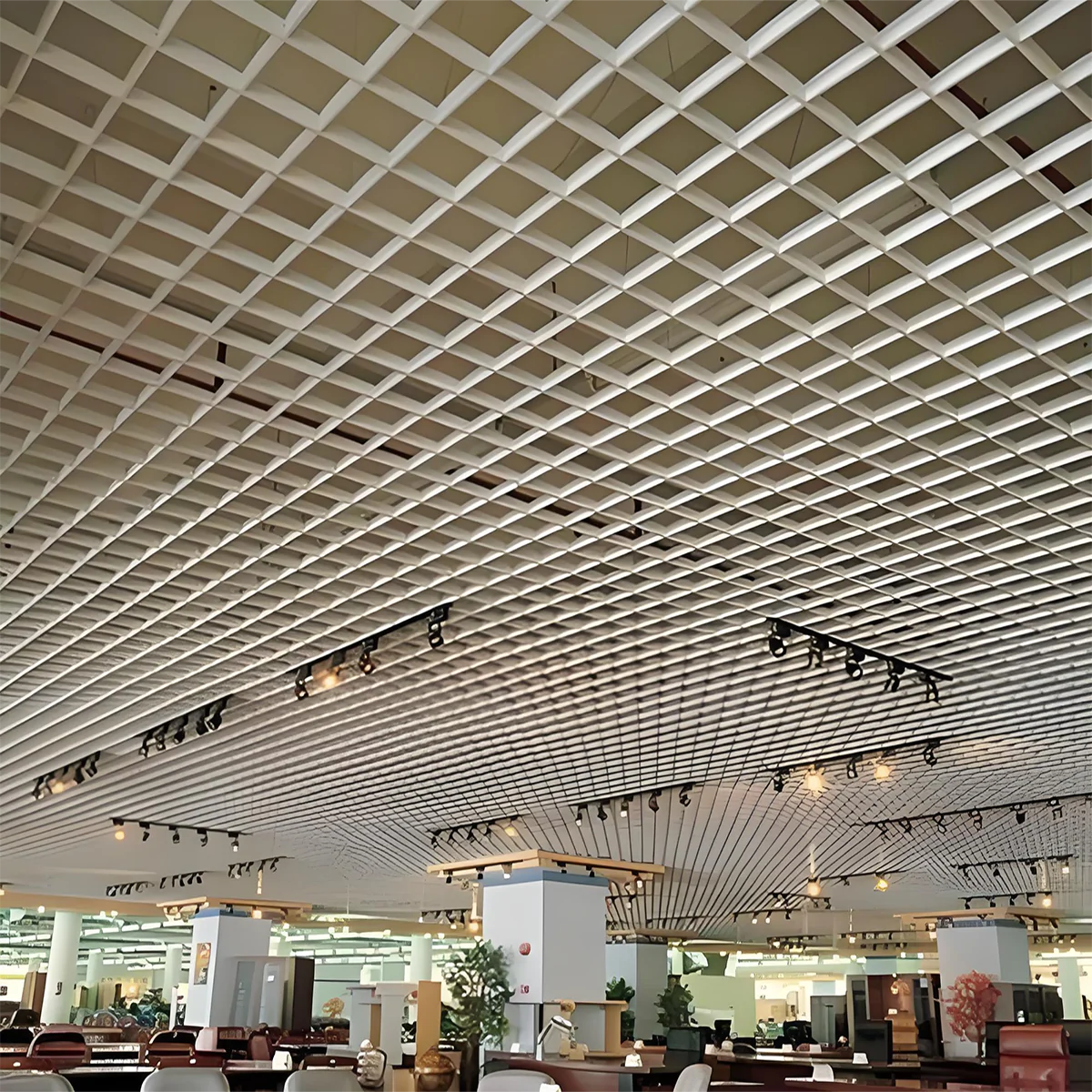
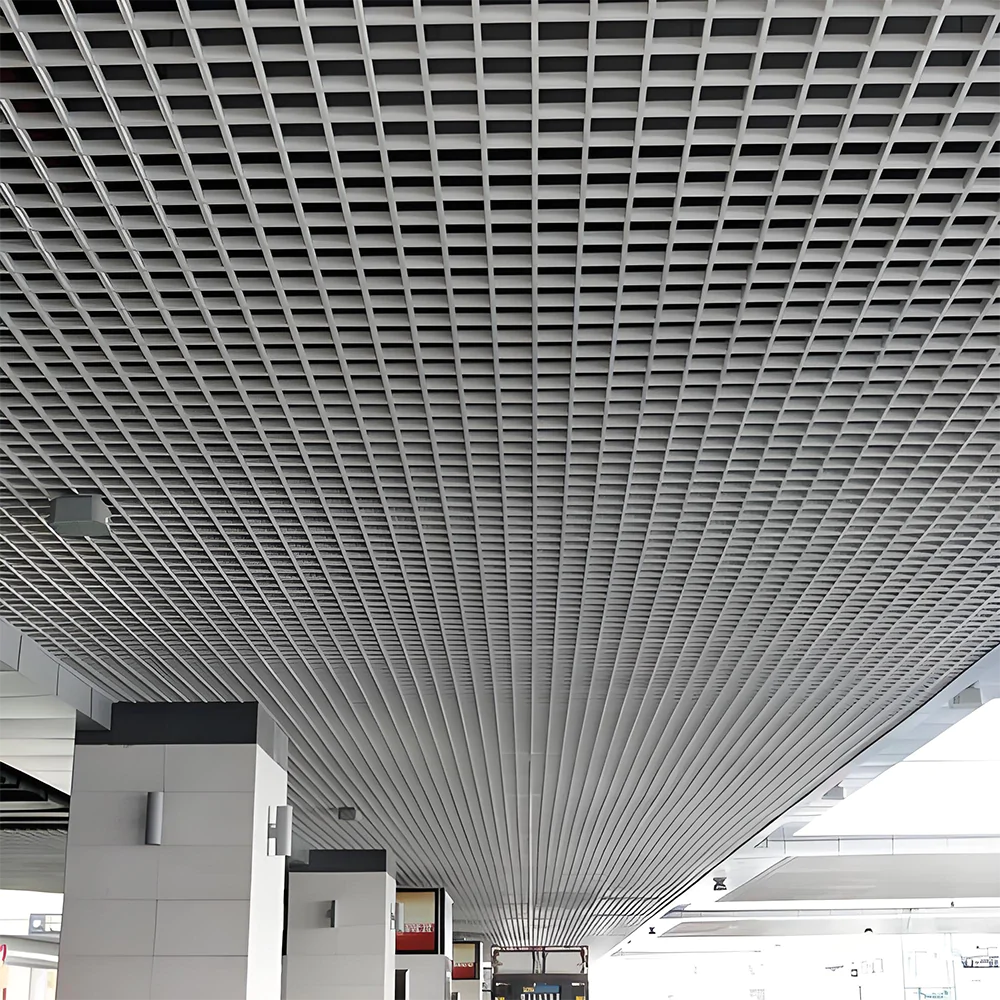
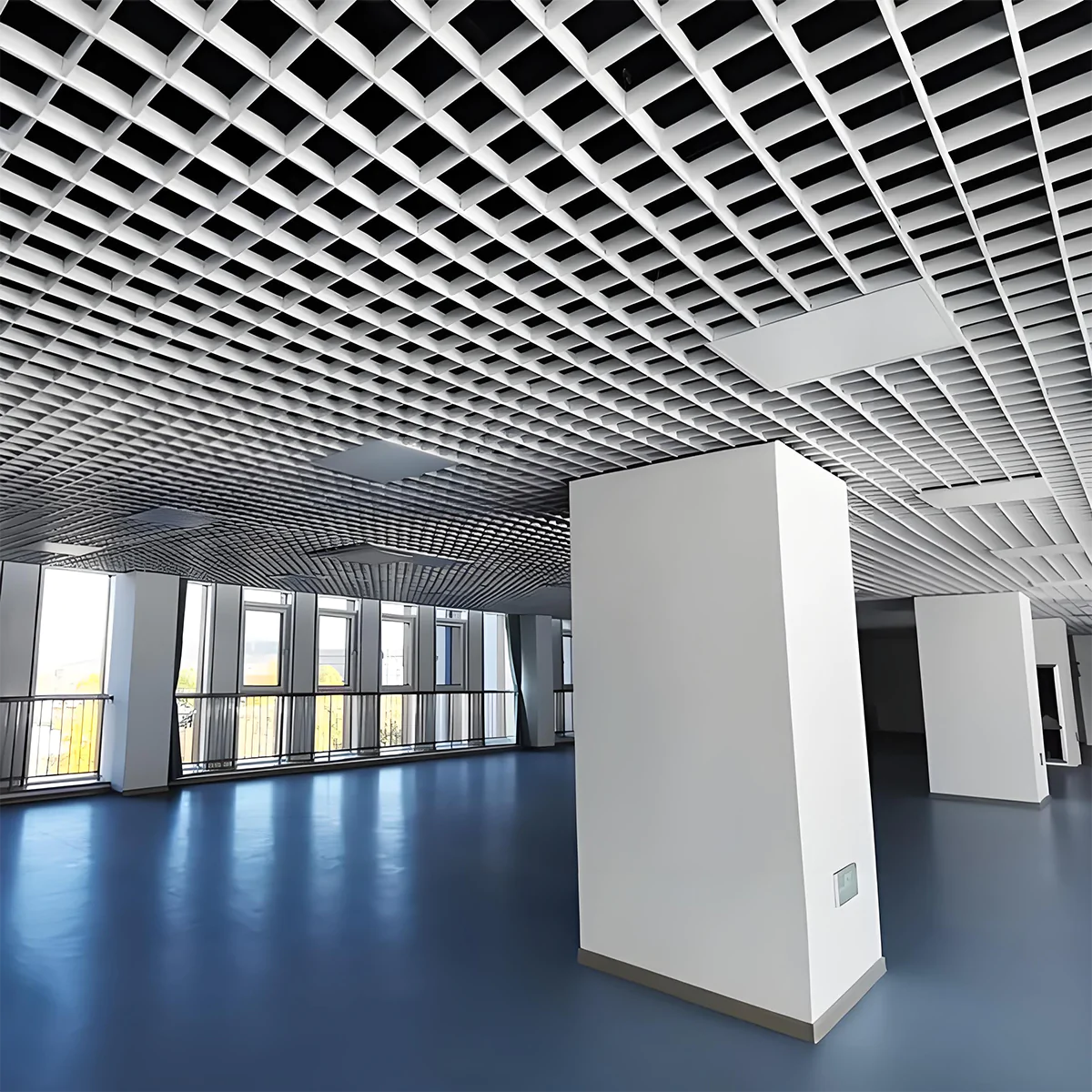
Cell size selection is generally the first conversation to have with your architect or daylighting consultant, since it’s the variable that most directly trades off diffusion quality against total light transmission — halls prioritizing even, glare-free light for photography-heavy trade shows or product launches typically specify a finer cell, while halls where energy savings from maximum daylight penetration is the priority may accept a more open cell with less diffusion control. Finish color also plays a role here that’s easy to overlook: a darker cell finish absorbs more light and creates stronger shadow definition, while a lighter or reflective finish bounces more ambient light back down into the hall, which changes the overall daytime brightness even with the same cell geometry.
Grid layout is coordinated with the actual skylight or glazing pattern above at the drawing stage, since cell alignment relative to the glazing structure affects how evenly the diffusion effect reads across the hall — an uncoordinated grid can produce visible moiré-like interference patterns against a structured glazing grid above it, which is worth avoiding at the design stage rather than discovering after installation.
Product Installation
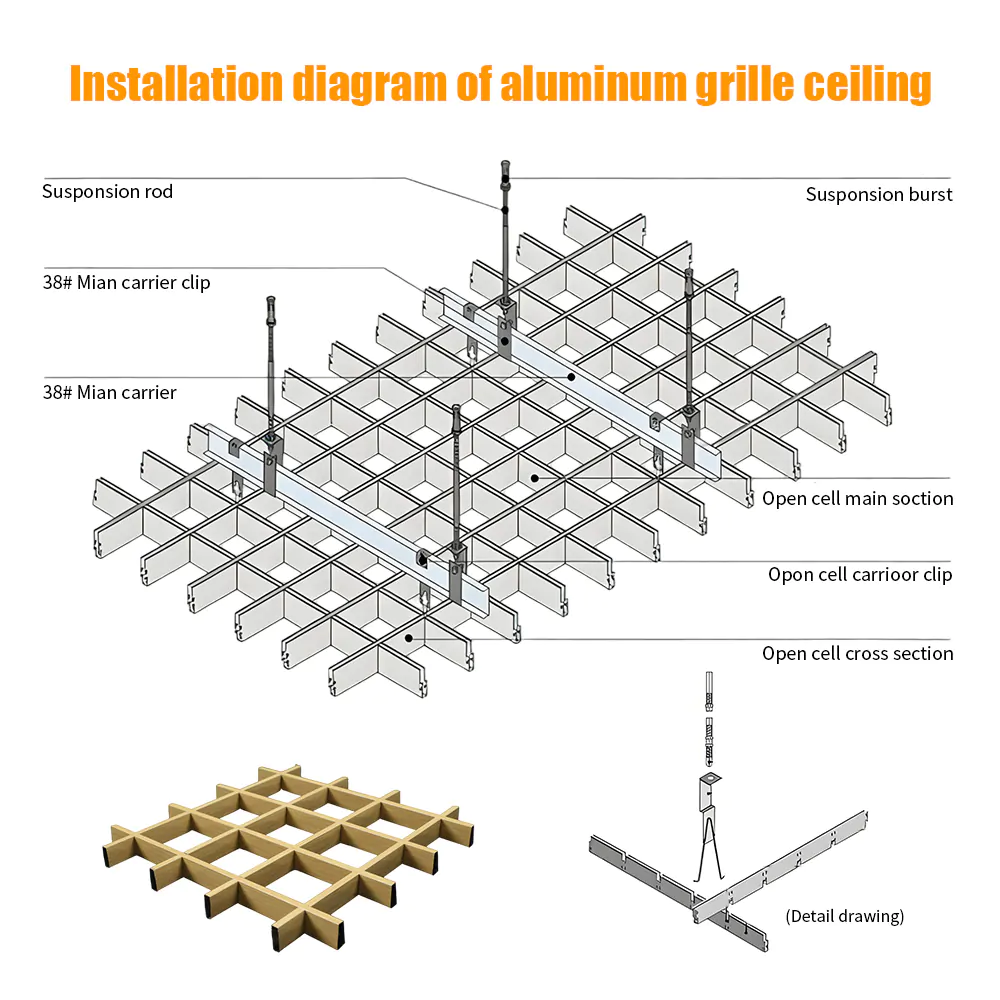
Aluminum Grille Ceiling Installation Instruction
Install the suspension rods according to the ceiling layout and keep all hanging points at the same level. Fix the perimeter trim and supporting suspension components securely to create a stable framework that suits the grille ceiling design and module arrangement.
Check and adjust the framework carefully to ensure it is level, straight, and properly aligned before installing the grille units. Then install the aluminum grille sections in the planned order, making sure each unit is fixed firmly and the overall ceiling layout remains neat and consistent.
Prepare reserved positions in advance for lights, air diffusers, sprinklers, and access openings. After installation, inspect the ceiling alignment, grille connections, and overall stability to ensure a clean, secure, and uniform finish.


The patterns shown here are only part of what Dingchengzun offers. Our aluminum grille ceilings are available in various pattern options, including square grids, rectangular grids, linear grids, open-cell designs, staggered layouts, wood-grain finishes, metallic finishes, and customized grille patterns.
These options meet different project needs for ceiling openness, visual layering, ventilation, lighting coordination, decoration, and architectural style.

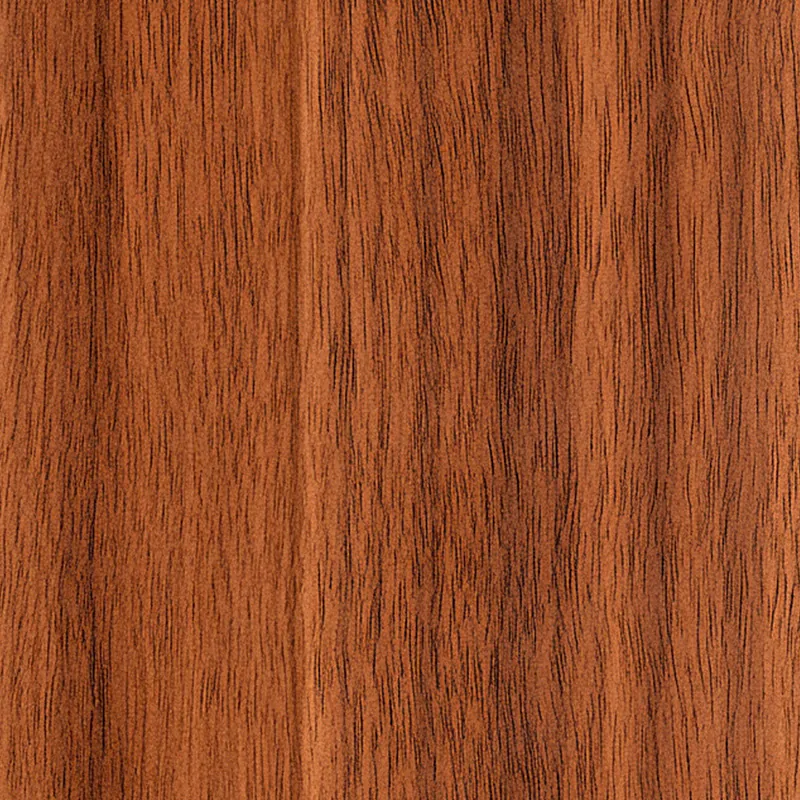



The colors shown here represent only part of the available color options for Dingchengzun modern shopping mall aluminum grille ceiling systems. We provide a wide range of standard and customized colors to support different commercial interior design styles, from clean modern spaces to warm, high-end retail environments.
Our aluminum grille ceiling colors are designed to enhance visual appeal, coordinate with architectural finishes, and meet the practical needs of shopping mall projects. Whether the design requires classic neutrals, metallic tones, wood-look finishes, or customized project colors, Dingchengzun can provide suitable color solutions for different application scenarios.
Click the button below to explore more color options. Dingchengzun supports project-based color selection and customization to help designers, contractors, and developers create aluminum grille ceiling systems that match specific architectural concepts and commercial space requirements.
It does both, but the primary benefit is diffusion rather than blocking — the open cell structure breaks direct sunlight into a softer, more even pattern rather than letting a hard beam or glare source pass through unfiltered, while still allowing substantially more daylight through than a solid ceiling would.
Smaller, finer cells diffuse light more thoroughly for a soft, even glow but transmit somewhat less total light; larger, more open cells transmit more direct daylight with less diffusion. The right choice depends on whether your priority is glare control and even lighting or maximizing total daylight penetration for energy savings.
Yes, this is worth planning for — an uncoordinated grid pattern against a structured glazing grid above it can create visible interference or moiré-like patterns. Coordinating grid layout with the actual glazing pattern at the drawing stage avoids this.
Yes. A lighter or more reflective finish bounces more ambient daylight back down into the space, increasing overall daytime brightness, while a darker finish absorbs more light and creates stronger shadow contrast — this is a design decision worth discussing alongside cell size rather than treating finish color as purely aesthetic.
No. This is an open cell grid system specifically suited to daylighting and visual openness beneath skylights or glazed roof structures, distinct from the T-grid system used for fast reconfiguration in convention halls or the clip-in systems used in enclosed, non-daylit areas of the same facility.

 English English
  Russian
 French
 Spanish
 Portuguese
 Arabic