اتصل بنا الآن للحصول على عرض أسعار سريع، ودعم العينات، وضمان الخدمة الهندسية.








المنتجات
سقف شبكي من الألومنيوم المعلق لممرات المستشفيات
If you're specifying ceilings across a hospital campus, it's worth being direct about where an open cell grid ceiling actually belongs and where it doesn't — because the answer isn't "hospital corridors, generally." Patient care corridors, areas adjacent to clinical zones, and anywhere infection control protocols govern the space genuinely need a closed, sealed, or hygienic surface — an open grid's exposed plenum and dust-collecting cell geometry work against infection control goals in those areas, not toward them. That's not what this product is for, and specifying it there would be a mismatch worth avoiding.
Where an open grid ceiling does make sense in a hospital setting is in the corridors that function more like general public circulation space than clinical environment — main entrance corridors connecting a hospital lobby to parking structures or adjacent medical office buildings, administrative wing corridors that don't adjoin patient care areas, and connector passages between non-clinical hospital buildings on a larger campus. These spaces share more in common functionally with an office building or public atrium corridor than with a patient ward, and an open grid ceiling's visual openness and daylighting benefits — where atrium or skylight conditions exist — apply here without the infection control conflict that would rule it out closer to clinical space.
Dingchengzun's suspended aluminum grid ceiling for hospital corridors is scoped specifically to these non-clinical circulation zones, positioned as a distinct option from our sealed and antimicrobial-rated products used in and near patient care areas, not a general-purpose hospital ceiling meant to cover every corridor type on a campus.

هل تبحث عن أسقف وواجهات ألومنيوم مخصصة؟ دعنا نتحدث


معرض تطبيقات المنتجات
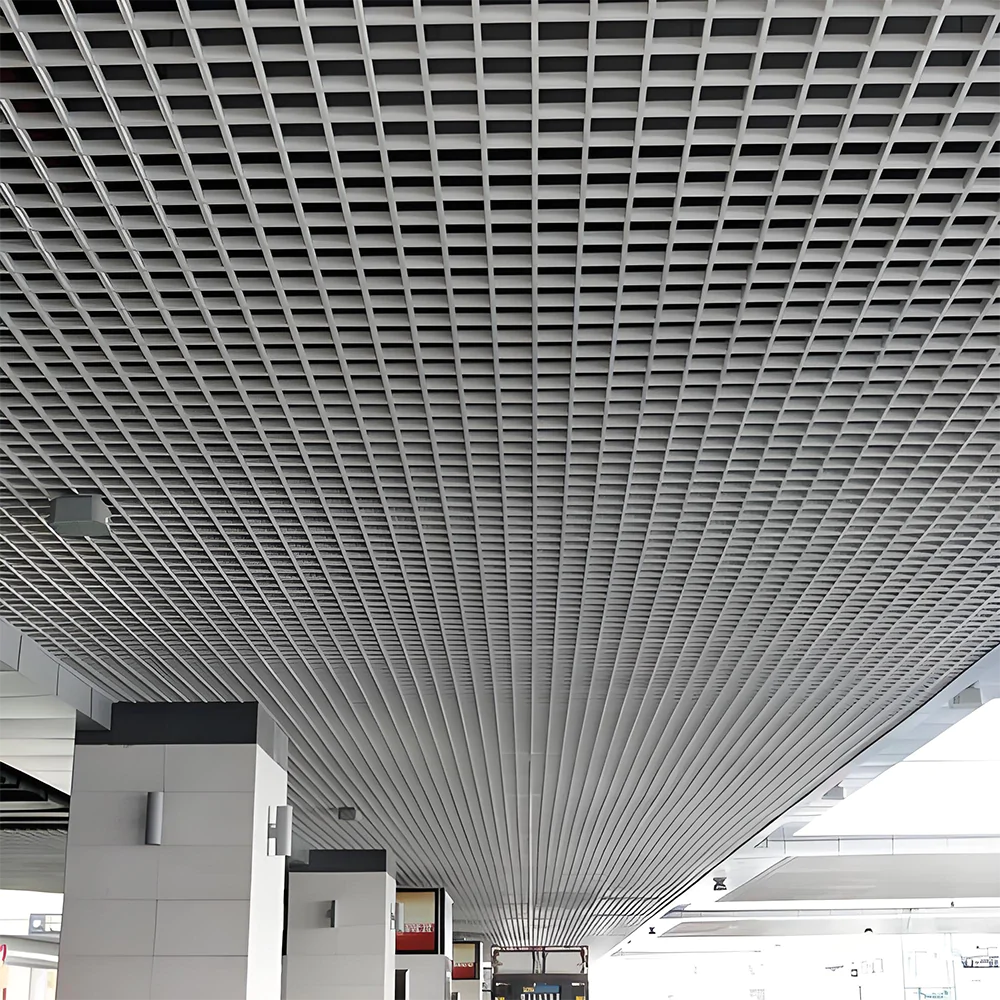
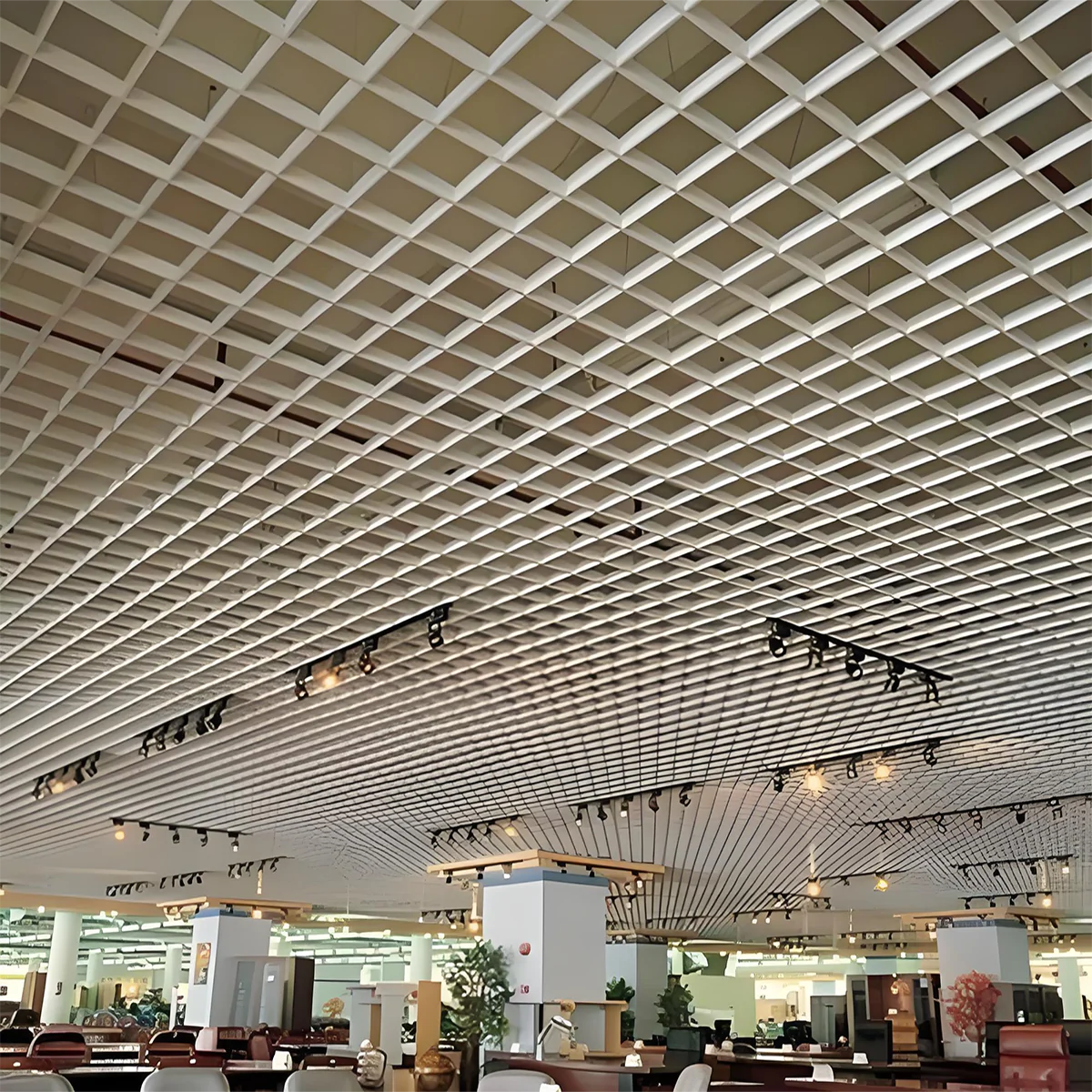
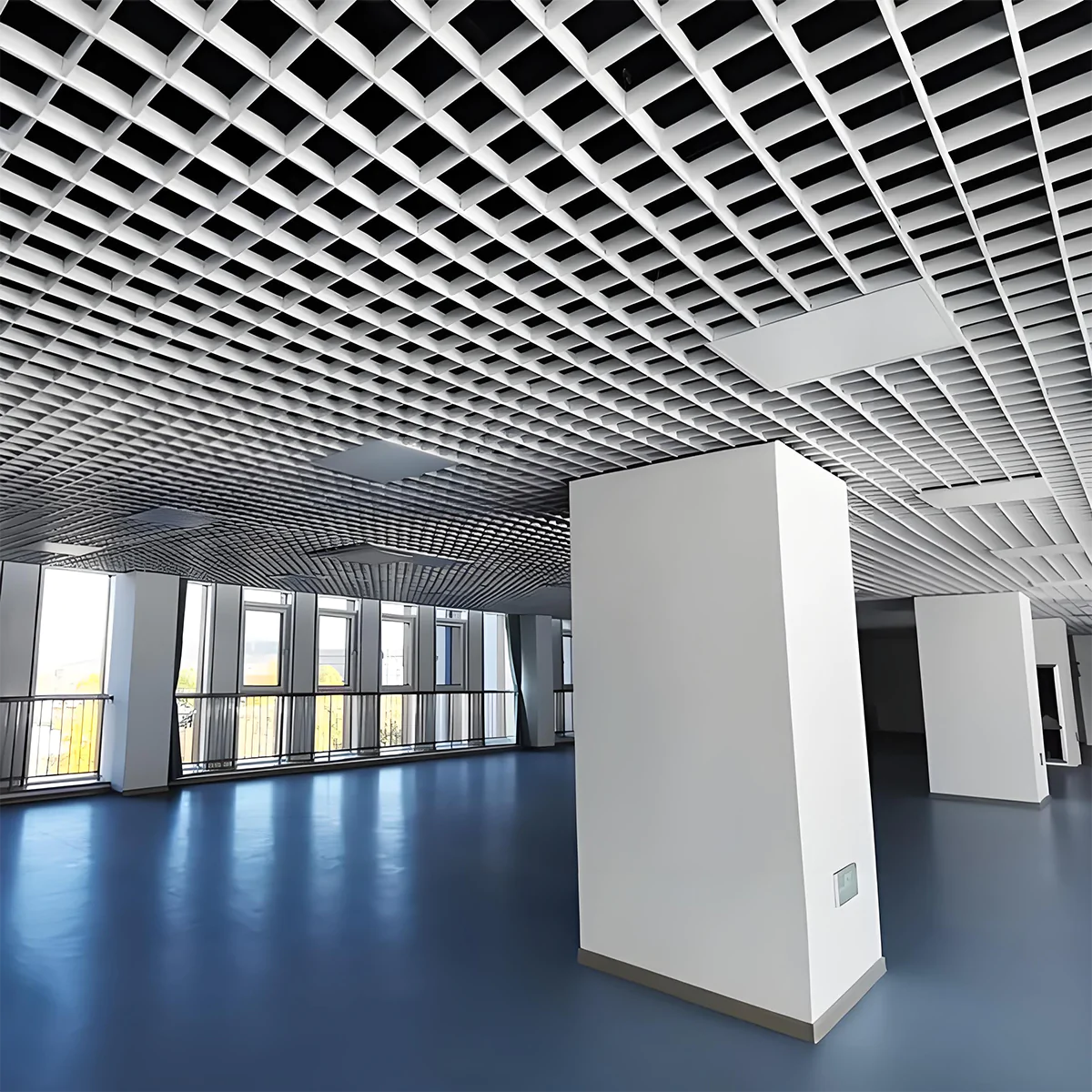
Because this specification applies to non-clinical circulation zones, cell size and finish selection follow general commercial and daylighting considerations rather than infection control criteria — similar logic to how the grid system is specified for office building or exhibition hall applications, adjusted for a hospital campus’s general architectural language and wayfinding needs. If your project team hasn’t yet mapped which corridors fall into clinical versus non-clinical zoning, that’s worth resolving with your infection control team before finalizing which ceiling product applies to which corridor — the zoning decision, not the product spec itself, is usually the harder part of this conversation.
For hospital campuses using this grid system in entrance and administrative corridors, matching finish and cell size to any adjacent non-clinical public areas — hospital lobbies, cafeteria zones, administrative office corridors — helps maintain visual consistency across the parts of the campus where infection control requirements don’t dictate the ceiling specification.
تركيب المنتج
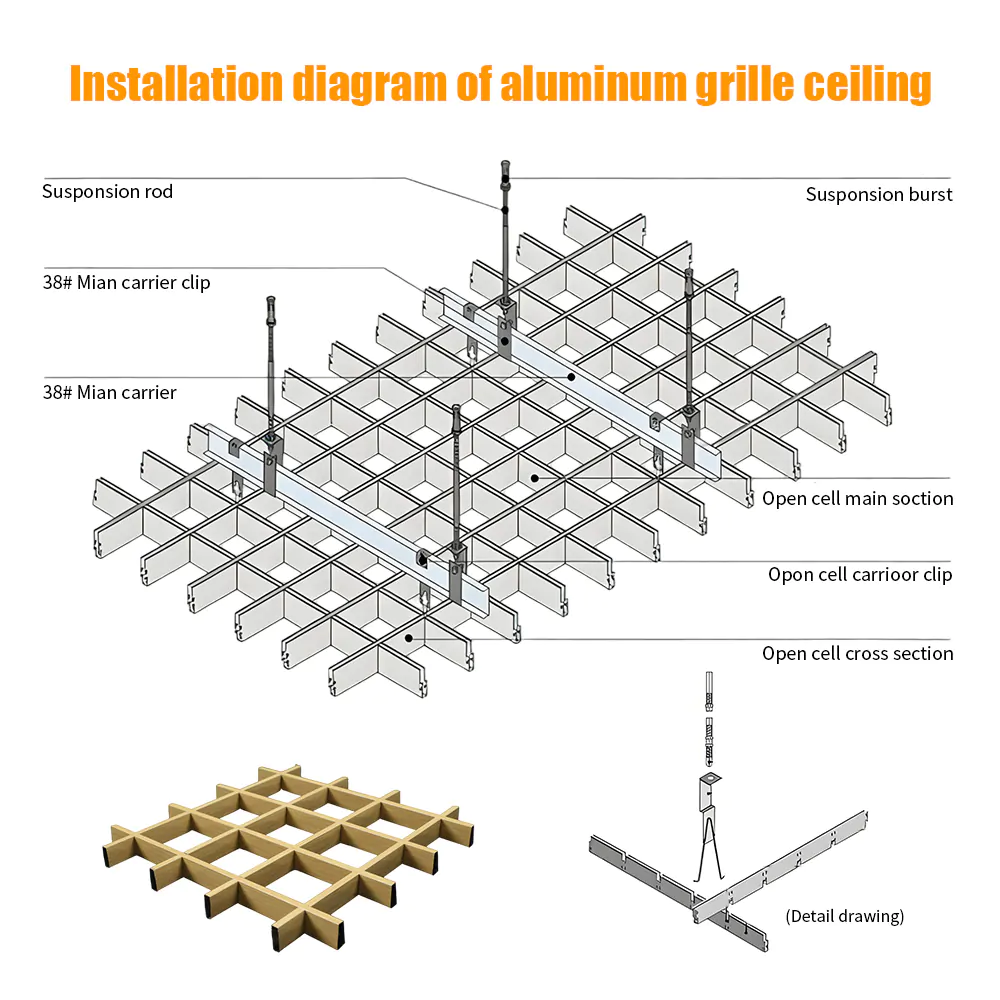
تعليمات تركيب السقف الشبكي المصنوع من الألومنيوم
قم بتركيب قضبان التعليق وفقاً لتخطيط السقف وحافظ على جميع نقاط التعليق في نفس المستوى. قم بتثبيت الزخرفة المحيطية ومكونات التعليق الداعمة بإحكام لإنشاء إطار ثابت يناسب تصميم السقف الشبكي وترتيب الوحدة.
افحص الإطار واضبطه بعناية للتأكد من استوائه واستقامته ومحاذاته بشكل صحيح قبل تركيب وحدات الشبكة. ثم قم بتثبيت أقسام الشبكة المصنوعة من الألومنيوم بالترتيب المخطط له، مع التأكد من تثبيت كل وحدة بإحكام وأن يظل التصميم العام للسقف مرتباً ومتسقاً.
قم بإعداد المواضع المحجوزة مسبقًا للأضواء وموزعات الهواء والرشاشات وفتحات الوصول. بعد التركيب، افحص محاذاة السقف، ووصلات الشبكات، والثبات العام لضمان نظافة السقف وأمانه وتوحيده.


الأنماط المعروضة هنا ليست سوى جزء مما تقدمه Dingchenchengzun. تتوفر أسقفنا الشبكية المصنوعة من الألومنيوم بخيارات أنماط مختلفة، بما في ذلك الشبكات المربعة، والشبكات المستطيلة، والشبكات الخطية، والتصميمات ذات الخلايا المفتوحة، والتصاميم المتداخلة، والتشطيبات الخشبية المحببة، والتشطيبات المعدنية، وأنماط الشبكات المخصصة.
تلبي هذه الخيارات احتياجات المشروع المختلفة من حيث انفتاح السقف، والطبقات البصرية، والتهوية، وتنسيق الإضاءة، والديكور، والطراز المعماري.





تمثل الألوان الموضحة هنا جزءًا فقط من خيارات الألوان المتاحة لأنظمة الأسقف الشبكية المصنوعة من الألومنيوم الحديثة لمراكز التسوق من Dingchengzun. نحن نوفر مجموعة واسعة من الألوان القياسية والمخصصة لدعم أنماط التصميم الداخلي التجاري المختلفة، بدءًا من المساحات العصرية النظيفة إلى بيئات البيع بالتجزئة الدافئة والراقية.
تم تصميم ألوان الأسقف الشبكية المصنوعة من الألومنيوم لدينا لتعزيز المظهر البصري، والتنسيق مع التشطيبات المعمارية، وتلبية الاحتياجات العملية لمشاريع مراكز التسوق. سواءً كان التصميم يتطلب ألواناً كلاسيكية محايدة أو ألواناً معدنية أو تشطيبات ذات مظهر خشبي أو ألواناً مخصصة للمشروع، يمكن لشركة Dingchenchengzun توفير حلول ألوان مناسبة لسيناريوهات الاستخدام المختلفة.
انقر على الزر أدناه لاستكشاف المزيد من خيارات الألوان. تدعم شركة Dingchenchengzun اختيار الألوان وتخصيصها حسب المشروع لمساعدة المصممين والمقاولين والمطورين على إنشاء أنظمة أسقف شبكية من الألومنيوم تتناسب مع المفاهيم المعمارية ومتطلبات المساحات التجارية المحددة.
No, this isn't the right specification for patient care corridors or areas adjacent to clinical zones — those require a closed, sealed, or antimicrobial-rated ceiling system. This grid product is scoped to non-clinical circulation areas like entrance corridors, administrative wings, and connector passages between non-clinical buildings.
This zoning decision should come from your infection control team based on proximity to patient care areas and your facility's specific infection control protocols — it's worth resolving this classification before finalizing which ceiling product applies to which corridor.
Infection control requirements are generally most stringent in and immediately around patient care and clinical areas. Non-clinical circulation zones — entrance corridors, administrative wings — don't carry the same requirements and can use ceiling specifications more similar to a general office or public building application.
No, all three are distinct products for different hospital zones — the linear ceiling addresses groove-related infection control considerations for general hospital corridors, the clean room product is fully sealed for clinical use, and this grid product is scoped specifically to non-clinical circulation areas where an open structure isn't a compliance concern.
Yes. Matching cell size and finish between this corridor application and adjacent non-clinical public areas like lobbies or administrative corridors is a common way to maintain visual consistency across the parts of a hospital campus not governed by clinical infection control requirements.
