اتصل بنا الآن للحصول على عرض أسعار سريع، ودعم العينات، وضمان الخدمة الهندسية.







المدونة
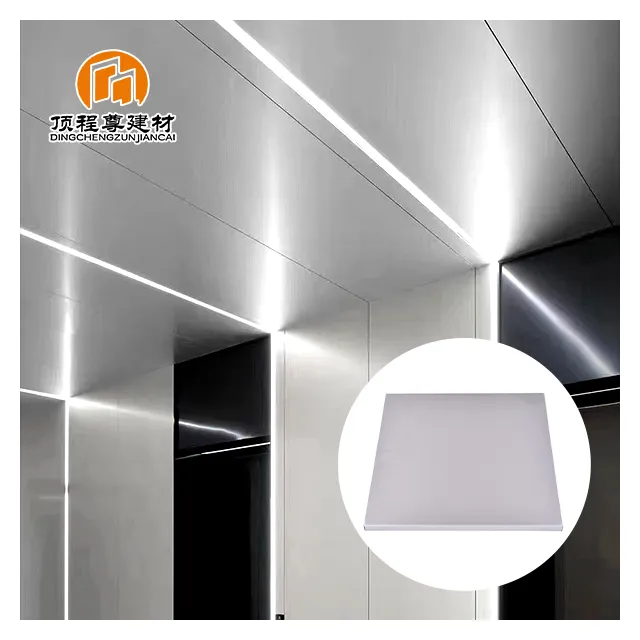
Revolutionizing Modern Architecture with Sustainable Overhead Solutions The architectural landscape is experiencing a remarkable transformation as metal ceilings emerge as a cornerstone of sustainable building design. These innovative overhead systems represent far more than just an aesthetic choice – they embody the perfect fusion of functionality, environmental consciousness, and cutting-edge design principles. As the construction industry pivots towards more sustainable practices, metal ceilings are proving to be an invaluable asset in creating buildings that stand the test of time while minimizing environmental impact. The evolution of architectural materials has led to metal ceilings becoming increasingly sophisticated, offering solutions that address multiple aspects of modern building requirements. From their exceptional durability to their impressive recyclability, these systems are reshaping how architects and designers approach sustainable construction. This shift towards metal ceilings represents a significant step forward in the industry's commitment to environmental stewardship. Environmental Benefits of Metal Ceiling Systems Superior Recyclability and Material Conservation Metal ceilings stand out in the construction industry for their remarkable recyclability. Unlike traditional ceiling materials that often end up in landfills, metal ceiling components can be recycled repeatedly without losing their essential properties. This characteristic significantly reduces the construction industry's environmental footprint, as metal ceilings can be melted down and reformed into new products with minimal waste. The manufacturing process of metal ceilings also demonstrates impressive resource efficiency. Modern production techniques have been optimized to minimize material waste, and many manufacturers now incorporate recycled content into their new ceiling products, creating a closed-loop system that benefits the environment. Energy Efficiency and...
2025-09-01
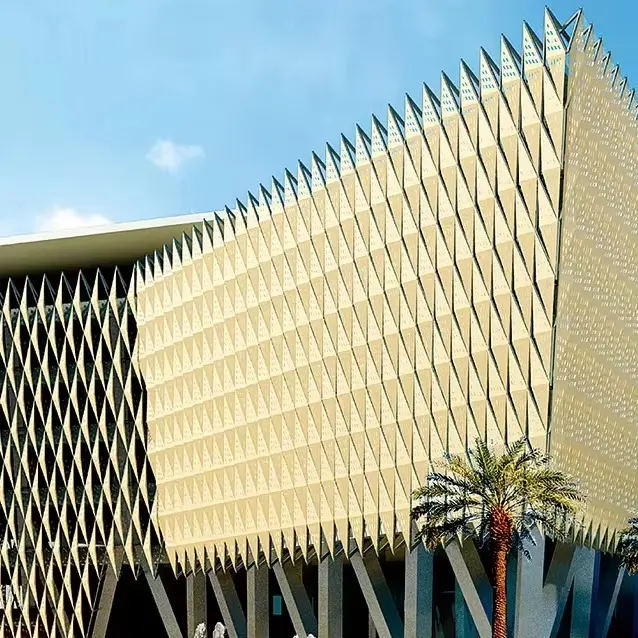
Modern construction demands innovative solutions that balance aesthetic appeal with energy performance, and exterior aluminum panels have emerged as a leading choice for architects and builders seeking to optimize building efficiency. These versatile cladding systems provide exceptional thermal management while delivering long-lasting durability and design flexibility. As energy costs continue to rise and environmental regulations become more stringent, the strategic implementation of exterior aluminum panels offers significant advantages in reducing operational expenses and carbon footprints. Understanding the mechanisms behind their energy-saving capabilities helps property developers and facility managers make informed decisions about building envelope upgrades and new construction projects. Thermal Performance Characteristics of Aluminum Cladding Systems Reflective Properties and Heat Management The inherent reflective properties of exterior aluminum panels create an effective barrier against solar heat gain, significantly reducing the thermal load on building interiors. Aluminum naturally reflects approximately 85-95% of incident solar radiation, preventing excessive heat absorption that would otherwise increase cooling demands. This reflective capability becomes particularly valuable in warm climates where air conditioning costs represent a substantial portion of energy consumption. Advanced coating technologies further enhance these properties, with specialized finishes designed to maximize reflectivity while maintaining color stability and weather resistance over extended periods. The thermal mass characteristics of exterior aluminum panels also contribute to improved energy performance through effective temperature moderation. Unlike heavier materials that store and slowly release heat, aluminum's low thermal mass allows for rapid response to changing environmental conditions. This responsiveness helps maintain more stable interior temperatures throughout daily temperature fluctuations, reducing the workload on HVAC systems...
2025-08-29
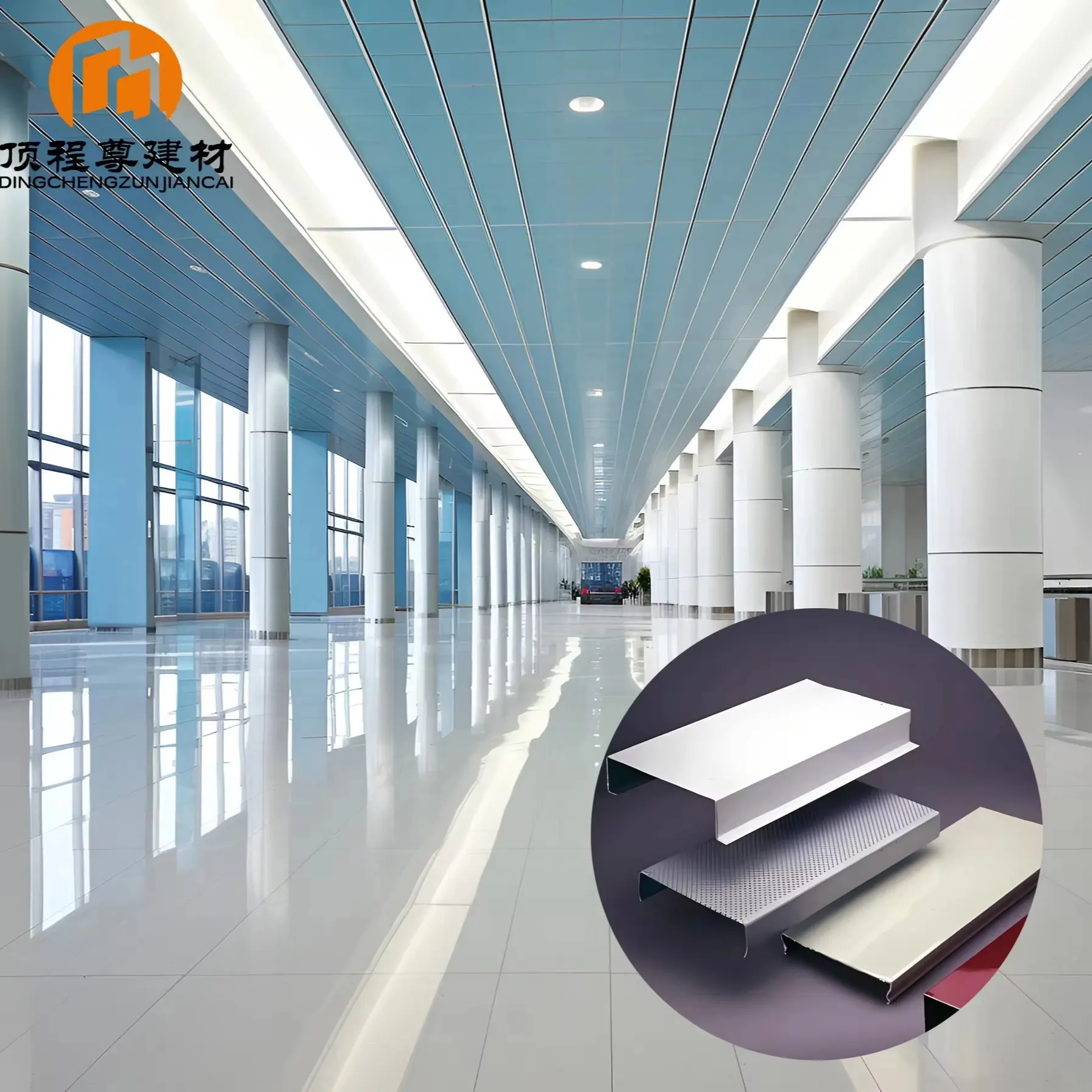
Transform Your Commercial Space with Modern Metal Ceiling Designs The evolution of commercial interior design has brought metal ceiling panels to the forefront of architectural innovation. These versatile elements combine aesthetic appeal with practical functionality, creating spaces that captivate while delivering superior performance. Whether you're renovating an office building, retail space, or hospitality venue, metal ceiling panels offer unlimited potential to elevate your interior design while meeting crucial technical requirements. Today's metal ceiling panels represent a perfect fusion of form and function, providing architects and designers with solutions that address both visual appeal and practical considerations. From acoustic performance to sustainability, these ceiling systems have become an integral part of modern commercial architecture. Let's explore the most impressive styles that are transforming commercial interiors across the globe. Linear Metal Panel Systems Contemporary Aesthetics of Linear Designs Linear metal ceiling panels create a sophisticated, directional appearance that can dramatically alter the perception of space. These sleek installations feature parallel lines that can make corridors appear longer, rooms feel wider, or ceilings seem higher. The clean, continuous lines offer a modern aesthetic that works particularly well in corporate environments and high-end retail spaces. The versatility of linear panels allows designers to play with different widths and spacing, creating unique visual rhythms throughout the space. Some installations combine panels of varying widths to produce more complex patterns, while others maintain consistency for a more minimalist approach. The linear format also provides excellent opportunities for integrated lighting solutions, allowing for seamless incorporation of LED strips or other lighting elements....
2025-08-22
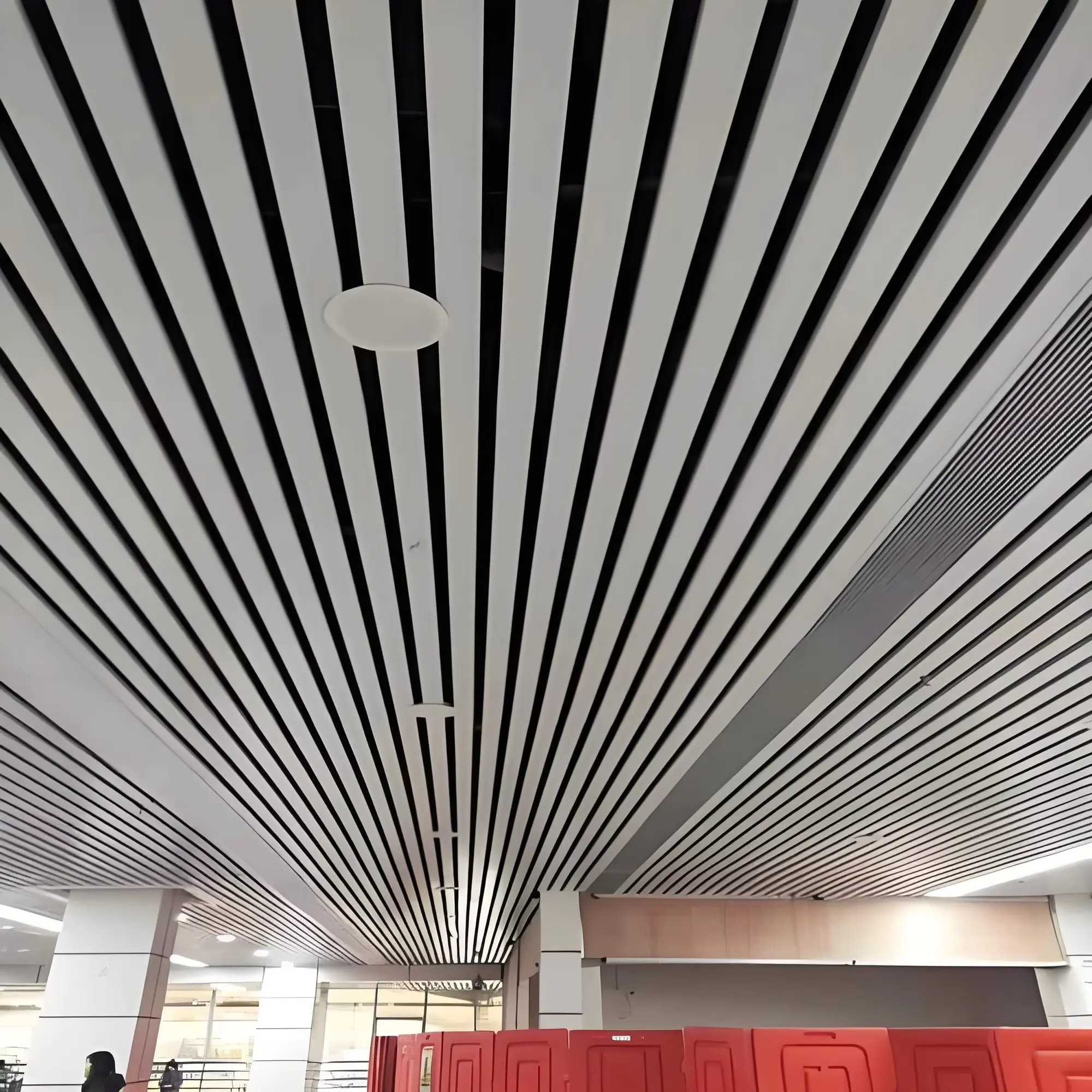
Modern architectural design increasingly prioritizes both aesthetic appeal and functional performance, particularly when it comes to air circulation and ventilation systems. The metal open grid ceiling has emerged as a revolutionary solution that seamlessly combines visual sophistication with superior airflow management capabilities. This innovative ceiling system represents a significant advancement in commercial and industrial space design, offering unparalleled benefits for air circulation while maintaining structural integrity and design flexibility. Understanding how these systems work and their impact on indoor air quality can help architects, contractors, and building owners make informed decisions about their ceiling installations. Understanding Metal Open Grid Ceiling Systems Construction and Material Composition The metal open grid ceiling consists of precisely engineered aluminum or steel components arranged in a geometric pattern that creates numerous openings throughout the ceiling surface. These openings are strategically designed to maximize air circulation while providing structural support for the ceiling system. The grid pattern typically features square, rectangular, or diamond-shaped apertures that allow unrestricted airflow between the ceiling plenum and the occupied space below. High-quality aluminum alloys are commonly used due to their corrosion resistance, lightweight properties, and excellent thermal conductivity characteristics. Manufacturing processes for metal open grid ceiling systems involve precision cutting, forming, and finishing techniques that ensure consistent dimensions and smooth edges. The grid components are typically powder-coated or anodized to provide long-lasting protection against environmental factors while maintaining their aesthetic appeal. This construction method results in a durable ceiling system that can withstand temperature fluctuations, humidity changes, and mechanical stress without compromising its air circulation...
2025-08-15
The Rise of Architectural Elegance in Hospitality Design In recent years, the hospitality industry has witnessed a remarkable transformation in interior design aesthetics, with slatted ceilings emerging as a defining element in contemporary spaces. This architectural feature has transcended its traditional role to become a statement of sophistication in restaurants and hotels worldwide. The growing popularity of slatted ceilings reflects a deeper understanding of how architectural elements can enhance guest experience while maintaining practical functionality. Modern hospitality venues are increasingly recognizing the power of thoughtful ceiling design to create memorable spaces. Slatted ceilings have become the go-to choice for designers and property owners who seek to combine visual appeal with acoustic performance and practical benefits. This innovative approach to ceiling design has revolutionized how we perceive and experience hospitality spaces. Design Impact and Visual Appeal Creating Dynamic Spatial Experiences Slatted ceilings transform ordinary spaces into extraordinary environments by playing with light and shadow. The linear arrangement of slats creates a sense of rhythm and movement, leading the eye through the space while adding depth and dimension. In restaurants, these ceiling features can define different dining zones without the need for physical barriers, allowing for a more fluid and adaptable layout. The versatility of slatted ceilings enables designers to experiment with various patterns and configurations. Whether installed horizontally, vertically, or in intricate geometric patterns, these ceiling treatments can dramatically alter the perception of space, making rooms appear larger, more intimate, or more dynamic as desired. Material Selection and Aesthetic Flexibility The beauty of slatted ceilings lies...
2025-08-08
Transforming Modern Workspaces with Advanced Ceiling Solutions The evolution of office design has brought suspended ceiling tiles to the forefront of architectural innovation. These versatile ceiling systems have become increasingly popular in contemporary workspaces, offering a perfect blend of functionality and aesthetics. As businesses strive to create more efficient and appealing work environments, suspended ceiling tiles emerge as a crucial element in modern interior design. Modern workspaces demand solutions that not only look professional but also contribute to overall productivity and employee well-being. Suspended ceiling tiles meet these requirements while providing numerous practical benefits that make them an ideal choice for office renovations and new construction projects. Enhanced Acoustical Performance Sound Absorption and Noise Reduction In open-plan offices and collaborative spaces, managing noise levels is crucial for maintaining productivity. Suspended ceiling tiles excel in this aspect, featuring specially designed materials that absorb and reduce sound transmission. The acoustic properties of these tiles help create a more comfortable working environment by minimizing echo and controlling noise levels between different areas of the workspace. High-quality suspended ceiling tiles can reduce noise levels by up to 70%, depending on their composition and installation method. This significant improvement in acoustic performance helps employees concentrate better and reduces the stress associated with constant background noise. Improved Speech Privacy Privacy in conversations is essential in any professional setting. Suspended ceiling tiles contribute to better speech privacy by preventing sound from traveling between different areas of the office. This feature is particularly valuable in spaces where confidential discussions take place, such as...
2025-08-01
The Transformative Impact of Suspended Ceiling Systems Suspended ceilings have evolved into sophisticated design solutions that address multiple challenges in contemporary interior spaces. These versatile systems create a secondary ceiling beneath the structural slab, offering both functional and aesthetic advantages that traditional ceilings cannot match. Modern suspended ceilings do far more than conceal ductwork and electrical conduits - they actively contribute to the comfort, efficiency, and style of interior environments. Offices, retail spaces, healthcare facilities, and educational institutions increasingly adopt suspended ceilings for their ability to enhance acoustics, lighting, and air distribution while maintaining easy access to building infrastructure. The latest suspended ceiling designs incorporate advanced materials and technologies that support sustainable building practices and occupant wellbeing. With customizable options ranging from minimalist metal panels to decorative 3D tiles, suspended ceilings provide designers with unparalleled flexibility to create interiors that are as practical as they are visually compelling. Enhanced Acoustic Performance Noise Reduction for Improved Comfort Suspended ceilings significantly improve acoustic conditions by absorbing and blocking unwanted sound transmission between spaces. Specialized acoustic tiles in suspended ceiling systems reduce reverberation times, creating environments where speech clarity and concentration improve dramatically. Open-plan offices benefit from suspended ceilings with high Noise Reduction Coefficient (NRC) ratings that minimize distracting conversations across work areas. Healthcare facilities use suspended ceilings to maintain patient privacy by preventing sound from traveling between rooms. Educational institutions install suspended ceilings with superior sound absorption to enhance learning environments where auditory clarity matters. The airspace above suspended ceiling panels acts as an additional sound buffer,...
2025-07-30
The architectural landscape of 2025 is witnessing unprecedented innovation in suspended ceiling design, with aluminum baffle ceiling systems leading the charge in transforming commercial and residential spaces. Modern designers are increasingly recognizing the potential of these versatile ceiling solutions to create dramatic visual impact while maintaining practical functionality. The evolution from traditional drop ceilings to sophisticated aluminum baffle ceiling configurations reflects broader trends toward minimalism, sustainability, and acoustic optimization. This transformation is particularly evident in contemporary office buildings, retail environments, and hospitality venues where ceiling design serves as both a functional necessity and an aesthetic statement. The integration of advanced materials and manufacturing techniques has elevated aluminum baffle ceiling systems from purely utilitarian installations to design focal points that complement modern architectural philosophies. Minimalist Linear Aesthetics Clean Geometric Patterns Contemporary design sensibilities heavily favor clean, linear patterns that create visual continuity across expansive ceiling areas. Aluminum baffle ceiling installations are increasingly featuring uniform spacing and consistent blade depths to achieve seamless geometric harmony. This approach eliminates visual clutter while maintaining the practical benefits of improved airflow and accessibility to plenum spaces. Designers are strategically positioning baffle runs to complement architectural elements such as columns, beams, and lighting fixtures, creating cohesive design narratives that extend from floor to ceiling. The precision manufacturing capabilities of modern aluminum baffle ceiling systems enable architects to specify exact dimensions and spacing requirements that align perfectly with their geometric design intentions. The trend toward geometric precision extends beyond simple parallel arrangements to include more sophisticated patterns such as alternating blade heights...
2025-07-22
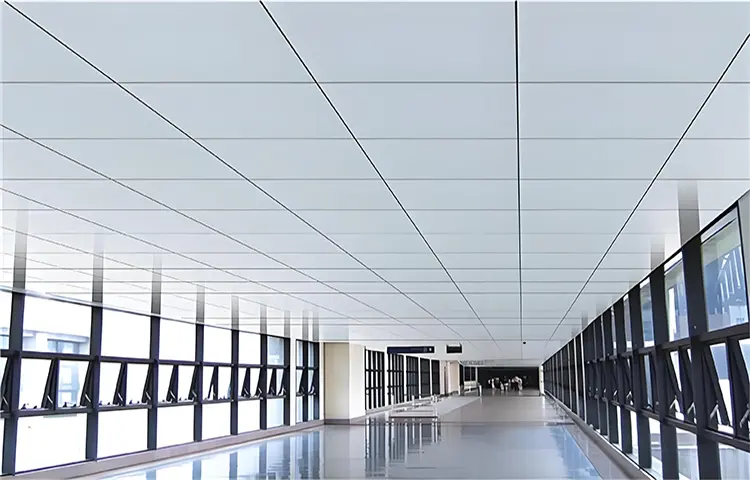
The Transformative Benefits of Aluminum Overhead Solutions Aluminum ceiling panels have revolutionized modern construction by offering unparalleled advantages that address multiple architectural challenges simultaneously. These innovative building components combine lightweight durability with exceptional design flexibility, making them ideal for both aesthetic and functional applications. Unlike traditional ceiling materials that often compromise on performance or appearance, aluminum ceiling panels deliver superior results across all critical parameters. Construction projects ranging from commercial high-rises to industrial facilities increasingly specify aluminum ceiling panels for their moisture resistance, fire safety, and acoustic performance. The material's inherent properties allow architects to create visually stunning ceilings that also meet stringent building code requirements. As sustainable construction practices gain importance, aluminum ceiling panels stand out for their recyclability and long service life. Their ease of installation and low maintenance requirements further enhance their value proposition for builders and property owners alike. Exceptional Durability and Longevity Corrosion Resistance for Lasting Performance Aluminum ceiling panels naturally resist corrosion through a self-protecting oxide layer that forms on their surface. This characteristic makes them ideal for humid environments like swimming pools, kitchens, and coastal buildings where other materials would degrade. The panels maintain their structural integrity and appearance despite exposure to moisture, chemicals, or temperature fluctuations. Unlike steel alternatives that require protective coatings, aluminum ceiling panels offer inherent rust-proof qualities. Even in industrial settings with aggressive atmospheres, aluminum ceiling panels outperform other materials in long-term durability. The material's resistance to UV radiation prevents fading or discoloration in sun-exposed applications. This corrosion resistance ensures aluminum ceiling panels retain...
2025-07-16
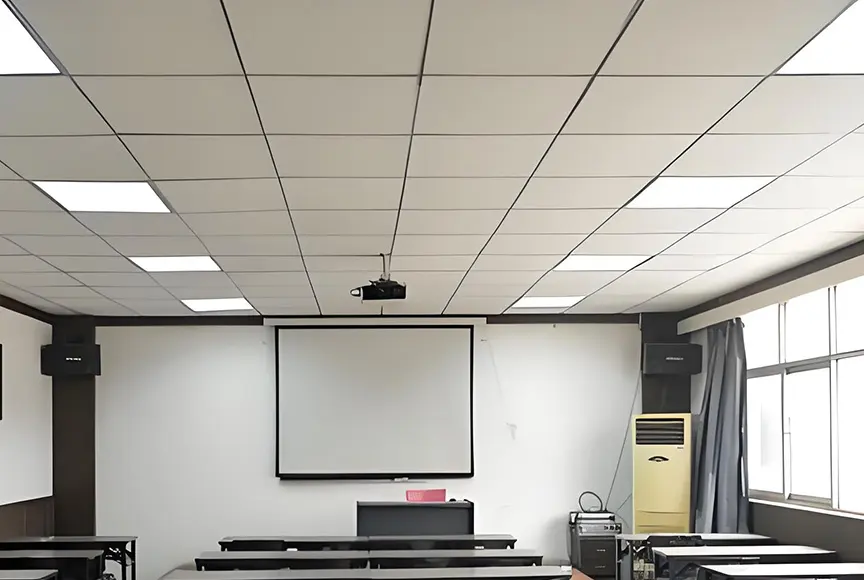
The Superior Performance of Aluminum in Moisture-Rich Conditions Aluminum ceiling panels have emerged as the premier choice for spaces where humidity levels routinely challenge conventional building materials. Unlike moisture-sensitive alternatives that warp, stain, or degrade in damp conditions, aluminum maintains its structural integrity and appearance regardless of ambient humidity. This inherent resistance stems from aluminum's natural oxide layer that forms an impenetrable barrier against water vapor and liquid moisture. Swimming pools, spas, marine facilities, and tropical climate buildings benefit tremendously from aluminum ceiling panels that won't succumb to the destructive effects of constant moisture exposure. The material's non-porous surface prevents water absorption while resisting mold and mildew growth that plagues organic materials. Even in extreme humidity environments like commercial kitchens or food processing plants, aluminum ceiling panels provide durable overhead protection that requires minimal maintenance. Their combination of moisture resistance, lightweight strength, and design flexibility makes them the logical solution for any application where humidity control presents an ongoing challenge. Moisture Resistance Characteristics Impervious Surface Protection Aluminum ceiling panels create an effective moisture barrier that prevents water damage to building structures. The non-absorbent nature of aluminum means humidity cannot penetrate the material to cause swelling or deformation. Unlike drywall or wood ceilings that deteriorate when exposed to moisture, aluminum ceiling panels maintain their dimensional stability in steam-filled environments. The material's surface resists condensation buildup that could lead to water droplets forming and falling. Special coatings on aluminum ceiling panels can further enhance water beading properties, directing moisture toward drainage points. Even in coastal areas with...
2025-07-09
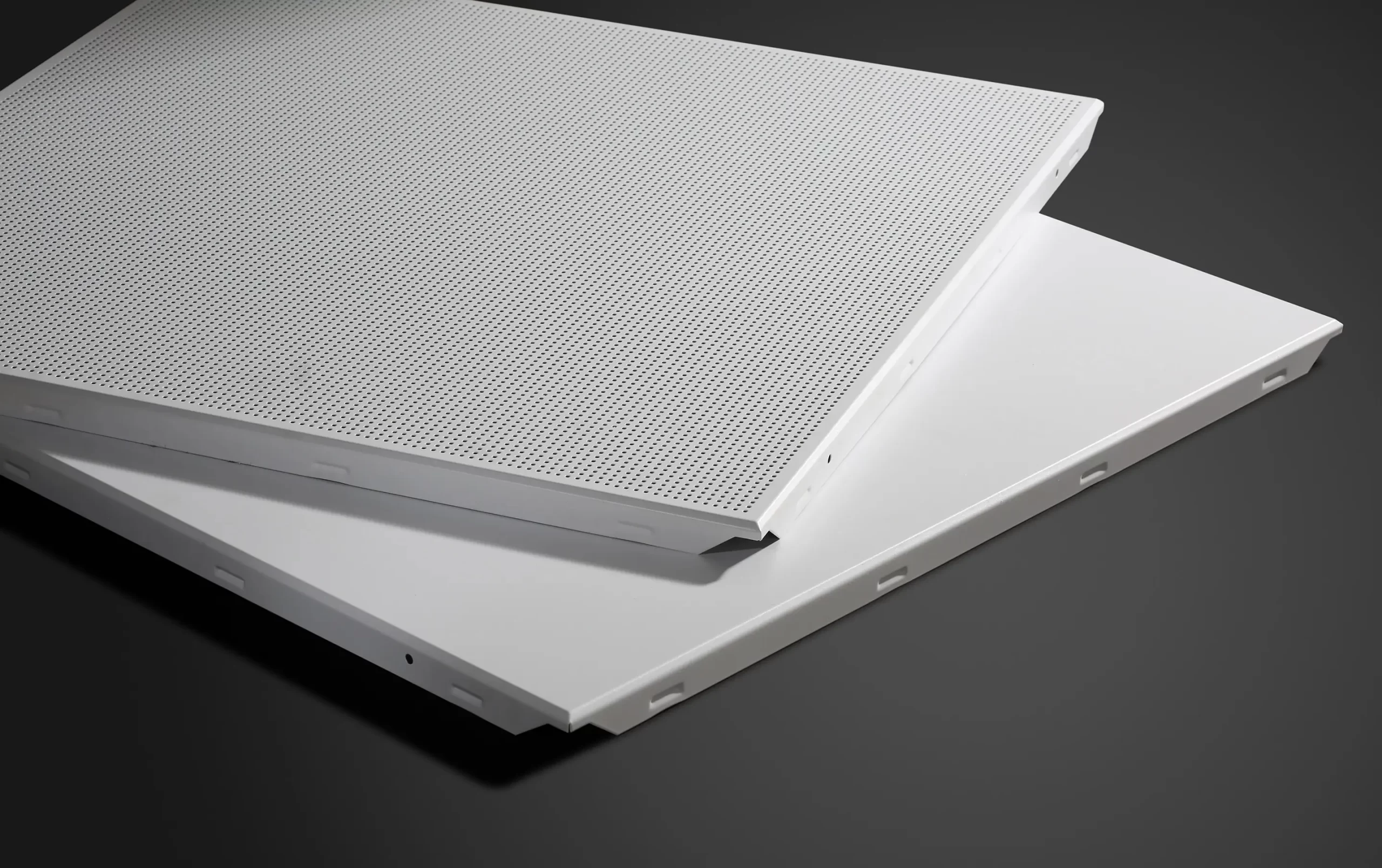
The Science Behind Fire-Resistant and Long-Lasting Aluminum Ceiling Panels Aluminum ceiling panels have become a preferred choice for commercial and residential spaces due to their exceptional fire resistance and durability. These panels combine advanced material science with innovative engineering to meet stringent safety standards while maintaining aesthetic appeal. The unique properties of aluminum, when enhanced through specialized treatments and panel construction techniques, create ceiling solutions that outperform traditional materials in both safety and longevity. From high-rise buildings to industrial facilities, aluminum ceiling panels provide reliable protection and enduring performance that architects and designers trust for demanding applications. Understanding what makes these panels resistant to fire and wear reveals why they've become indispensable in modern construction and interior design projects. Material Composition and Fire Resistance Aluminum's Natural Fire-Resistant Properties Aluminum ceiling panels benefit from the metal's inherent characteristics that make it naturally fire-resistant without additional chemical treatments. With a melting point of 660°C (1220°F), aluminum maintains structural integrity at temperatures that would compromise many other building materials. When exposed to heat, aluminum forms a protective oxide layer that slows further oxidation, unlike steel which can warp and weaken under high temperatures. This oxide layer acts as a thermal barrier, preventing the rapid temperature transfer that fuels fire spread in building materials. Modern aluminum ceiling panels often incorporate alloy blends that enhance these natural properties, with magnesium and silicon additions that improve high-temperature performance. The non-combustible nature of aluminum means it won't contribute fuel to fires or release toxic smoke, a critical factor in building safety certifications...
2025-07-03
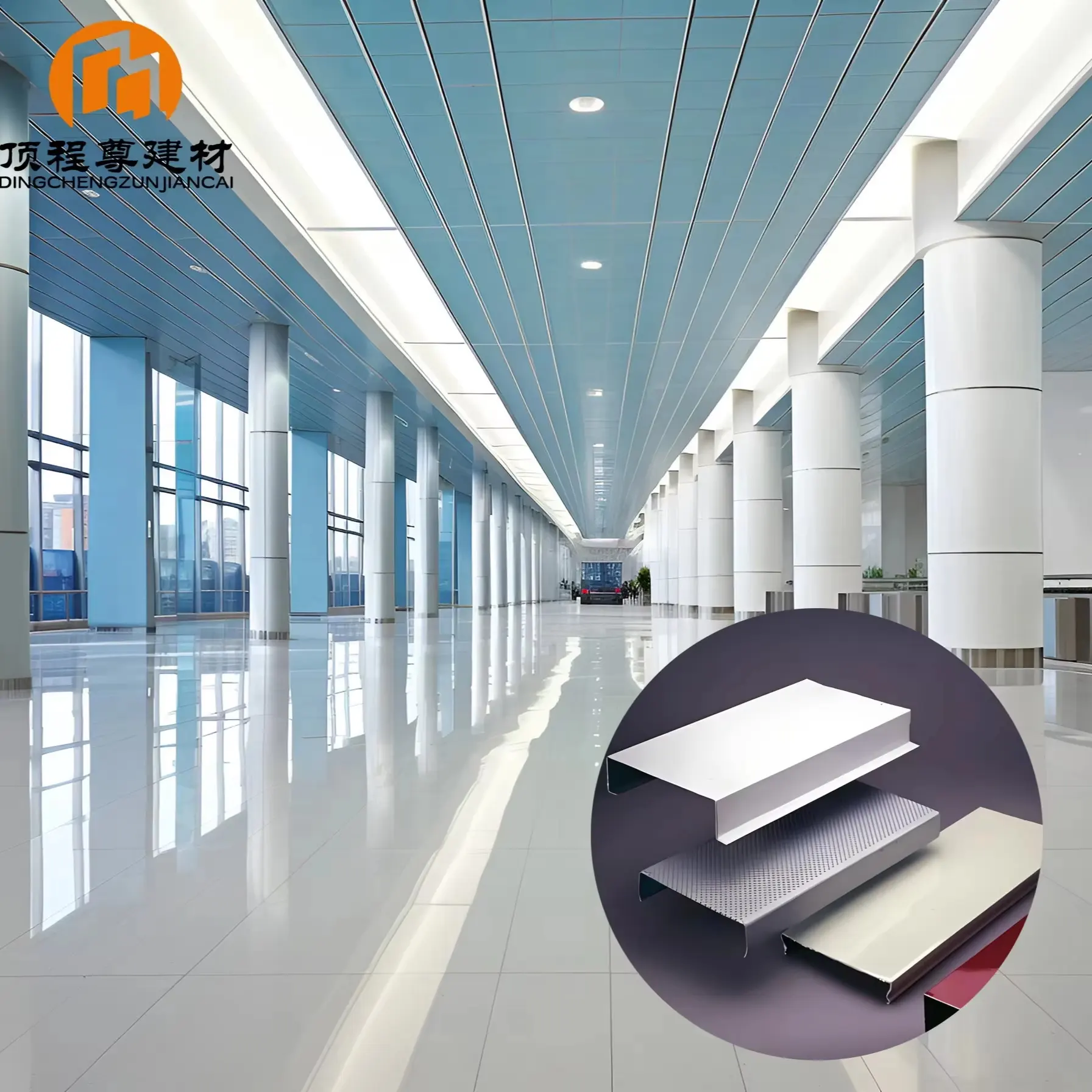
The Rising Trend of Strip Ceilings in Contemporary Design Defining Modern Architectural Priorities The contemporary architecture has now shifted focus to casual open spaces and cleaner undertones. This not only makes the space attractive, it also optimizes the effective use of space which in the cities of today is important. Strip ceilings, known for their smooth lines and understated designs, fit right in with this architectural importance. Their simplicity of form makes them also ideal for minimalist or decluttered styles too. Architectural designers themselves advocate flexibility in contemporary spaces, which helps explain the growing popularity of strip ceilings. As structural engineer Bill Baker, famously said "new demands must be met with new architecture." These constructional innovations allow open space options and customization, giving rise to the increased demand on modern design projects. Strip Ceilings as a Symbol of Progressive Design Ornamentation of ceilings has gone in and out of style throughout the course of history with ornamented ceilings being the fashion in the late 19th & early 20th centuries. This shift represents an increased open-mindedness toward progressive design, at the intersection of form and function. Strip Ceilings are the logical expression of this new generation of “green” architects and designers. Constructed out of materials such as aluminum, they are durable and energy efficient, which is in line with current environmental concerns. The demand of strip ceilings in commercial and residential premises is also increasing due to its innovative role in modern architecture. This seems to be supported by statistics- the figures show a surge of 30% in the use of strip ceilings over five years. This surge highlights...
2025-06-30

الحلول المعمارية
معلومات الاتصال
البريد الإلكتروني andy@dingchengzun.com
تليفون +86-13760858079
واتس آبس +8613760858079
المكتب رقم 126، شارع تشانغبيان هوانكون، مدينة نانكون، منطقة بانيو، قوانغتشو
حقوق الطبع والنشر © 2026 شركة قوانغتشو دينغتشنغزون لمواد البناء المحدودة. جميع الحقوق محفوظة. |خريطة الموقع | سياسة الخصوصية