PÓNGASE EN CONTACTO CON NOSOTROS AHORA PARA RECIBIR UN PRESUPUESTO RÁPIDO, SOPORTE DE MUESTRAS Y GARANTÍA DE SERVICIO DE INGENIERÍA.







¿Qué es el sistema Clip In?
Clip in ceiling systems are widely used in modern commercial buildings because they provide a clean appearance, reliable performance, and convenient maintenance access. This type of suspended ceiling system uses concealed carriers to securely hold aluminum ceiling panels, creating a smooth and uniform ceiling surface without exposing the supporting framework.
Compared with traditional exposed grid ceilings, clip in ceiling systems offer a more refined visual effect, which is why they are commonly specified for office buildings, airports, hospitals, shopping malls, and transportation hubs. In large public projects, architects and contractors often prefer clip in ceilings because the concealed structure helps improve the overall interior appearance while still allowing access to HVAC systems, lighting fixtures, and electrical installations above the ceiling.
Aluminum clip in ceiling systems have also become increasingly popular due to their durability and low maintenance requirements. Aluminum panels are lightweight, moisture resistant, corrosion resistant, and non-combustible, making them suitable for high-traffic commercial environments and humid indoor areas. Perforated acoustic panels can also be integrated to improve indoor sound control in offices, meeting rooms, and public waiting areas.
In many modern commercial projects, ceiling systems are expected to provide not only decorative value, but also long-term functional performance. Clip in ceiling systems are widely chosen because they combine modern aesthetics with practical engineering advantages, making them a reliable solution for contemporary architectural spaces.
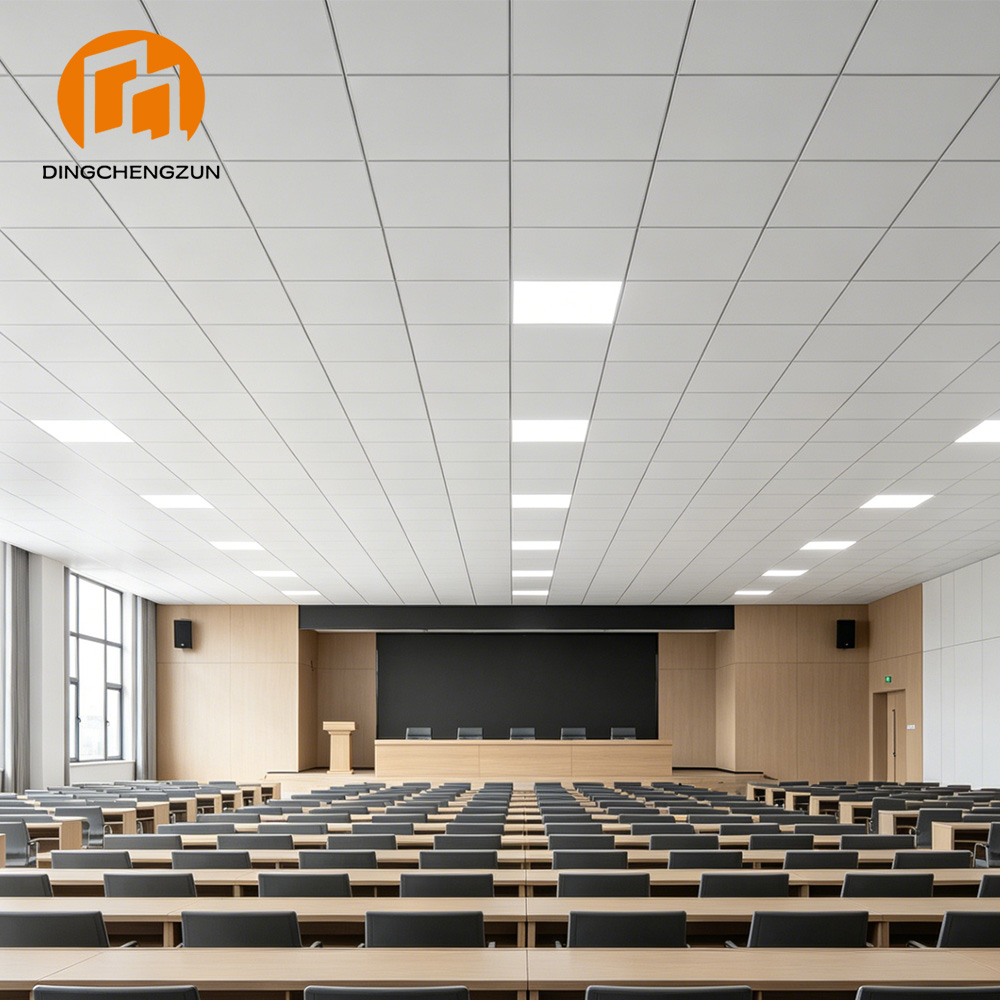
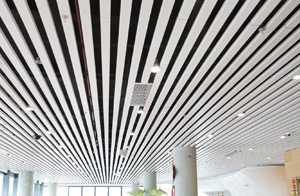
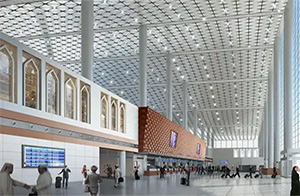
Paneles de aluminio T-Grid para techos de centros de convenciones
Engineered for large-scale convention centers and public commercial spaces, this T-grid aluminum ceiling system offers excellent durability, easy maintenance, and seamless integration with lighting, HVAC, and fire protection systems.
- Material: Aluminum Alloy
- Ceiling System: T-Grid Suspended Ceiling
- Acabado superficial: Powder Coating / PVDF
- Características: Fire Resistant, Moisture Resistant, Easy Installation
- Aplicaciones: Convention Centers, Exhibition Halls, Commercial Buildings
What is a Clip In Ceiling System?
2.1 Basic Definition
A clip in ceiling system is a suspended metal ceiling system that uses concealed carriers to hold aluminum ceiling panels in place. Unlike exposed grid ceilings, the supporting framework is hidden behind the panels, creating a cleaner and more modern ceiling appearance.
Aluminum clip in ceiling systems are widely used in offices, airports, hospitals, and shopping malls because they combine decorative aesthetics with practical performance. The modular panel design also allows easy customization of sizes, perforation patterns, and surface finishes to meet different project requirements.
2.2 Main Components
A standard clip in ceiling system mainly includes aluminum ceiling panels, concealed carriers, hangers, and suspension accessories. The panels are clipped directly into the concealed carrier system, while hangers suspend the ceiling structure securely from the building slab above.
Perforated panels and acoustic backing materials can also be added in projects that require better sound absorption performance, such as offices, meeting rooms, and public waiting areas.
2.3 How the System Works
During installation, the concealed carriers are first aligned and suspended according to the ceiling layout. The aluminum panels are then clipped into the framework individually, creating a flat and seamless ceiling surface.
One advantage of clip in ceiling systems is that individual panels can be removed when maintenance access is needed for HVAC systems, lighting fixtures, or electrical installations. This combination of clean appearance and convenient maintenance makes clip in ceiling systems a popular choice for modern commercial buildings.
Main Types of Clip In Ceiling Systems
3.1 Standard Square Clip In Ceiling
Standard square clip in ceilings are one of the most widely used ceiling solutions in commercial buildings. Common panel sizes such as 300×300 mm and 600×600 mm are suitable for offices, schools, shopping malls, and public corridors because they provide a clean ceiling layout and efficient installation.
Compared with traditional exposed grid ceilings, the concealed suspension structure creates a more modern and uniform appearance, which is often preferred in contemporary interior projects.
3.2 Perforated Acoustic Clip In Ceiling
Perforated acoustic clip in ceilings are designed for spaces that require better indoor sound control. Small perforations on the aluminum panels work together with acoustic backing materials such as non-woven fabric or rock wool to help reduce noise and improve acoustic comfort.
This type of ceiling system is commonly used in meeting rooms, airports, hospitals, and waiting areas where large open spaces can easily create echo and noise problems. At the same time, perforated panels still maintain the durability and easy maintenance advantages of aluminum ceiling systems.
3.3 Customized Clip In Ceiling Systems
Customized clip in ceiling systems are often used in commercial projects that require unique architectural designs or special engineering requirements. Manufacturers can customize panel sizes, perforation patterns, colors, and surface finishes according to project specifications.
Popular surface finishes include powder coating, PVDF coating, and wood grain finishes, allowing the ceiling system to match different interior styles. Custom clip in ceilings are especially suitable for hotel lobbies, transportation hubs, and high-end commercial spaces where both aesthetics and functional performance are important.
Key Advantages of Clip In Ceiling Systems
4.1 Clean and Modern Appearance
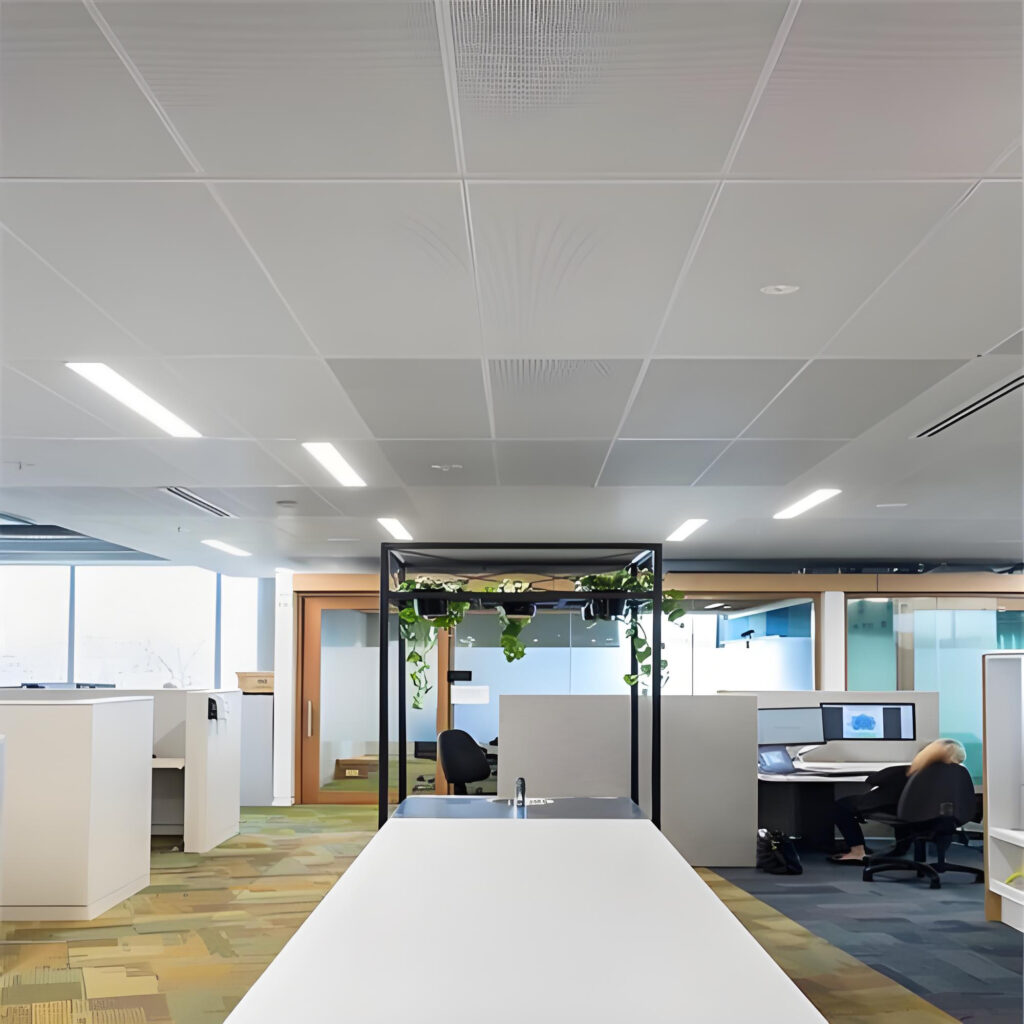
Clip in ceiling systems use a concealed suspension structure that hides the supporting framework behind the panels, creating a cleaner and more seamless ceiling appearance. This design is widely used in modern office buildings, hotel lobbies, airports, and commercial interiors where visual consistency is important.
Compared with exposed grid ceiling systems, clip in ceilings provide a more refined architectural finish that better matches contemporary interior design trends.
4.2 Easy Maintenance Access
The modular panel structure allows individual ceiling panels to be removed and reinstalled without damaging the suspension system. This makes it easier for maintenance teams to access HVAC systems, lighting fixtures, fire sprinkler systems, and electrical installations above the ceiling.
In large commercial buildings, this maintenance-friendly design can help reduce long-term repair and inspection costs.
4.3 Fire Resistance
Aluminum clip in ceiling systems are manufactured from non-combustible materials, providing reliable fire resistance for public commercial buildings. Many aluminum ceiling systems can meet international fire safety requirements for airports, hospitals, shopping malls, and transportation facilities.
Because aluminum does not easily deform under humid conditions and does not support flame spread, it is widely used in high-occupancy public spaces where safety standards are important.
4.4 Moisture and Corrosion Resistance
Aluminum ceiling panels offer excellent resistance to moisture and corrosion, making clip in ceiling systems suitable for humid indoor environments and coastal climate regions. Unlike gypsum or other moisture-sensitive materials, aluminum panels maintain stable performance over long periods of use.
This durability helps reduce maintenance frequency and extends the overall service life of the ceiling system in commercial projects.
4.5 Acoustic Performance
Perforated clip in ceiling panels can be combined with acoustic backing materials such as non-woven fabric or rock wool to improve indoor sound absorption performance. This helps reduce echo and noise levels in large open areas.
Acoustic clip in ceiling systems are commonly used in conference rooms, offices, hospitals, airports, and public waiting areas where indoor acoustic comfort is an important part of the building environment.
4.6 Lightweight and Durable Structure
Aluminum is a lightweight material that helps reduce structural load during installation, especially in large commercial ceiling projects. At the same time, aluminum ceiling panels provide high dimensional stability and long-term durability, allowing the ceiling system to maintain a flat and secure appearance over time.
This combination of lightweight construction, durability, and low maintenance makes clip in ceiling systems a practical solution for modern commercial architecture.
Common Applications of Clip In Ceilings
5.1 Edificios de oficinas
Clip in ceiling systems are widely used in office environments due to their clean, modern appearance and easy maintenance. They are ideal for open office areas, conference rooms, and reception spaces where a professional and organized look is important. The modular panels allow maintenance teams to access HVAC systems, electrical wiring, or lighting fixtures without disrupting daily office operations, reducing long-term repair costs.
5.2 Airports and Transportation Hubs
In airports and other transportation hubs, clip in ceilings provide both aesthetic appeal and functional performance. Large terminal areas and public waiting zones often use perforated aluminum panels combined with acoustic backing to reduce echo and improve sound quality. The concealed suspension system ensures a seamless ceiling surface, while allowing easy access to overhead mechanical and electrical systems for maintenance and upgrades.
5.3 Hospitals and Healthcare Facilities
Hygiene and durability are critical in healthcare environments. Aluminum clip in ceilings offer corrosion-resistant, moisture-resistant surfaces that are easy to clean, making them suitable for patient rooms, corridors, operating theaters, and waiting areas. These ceilings help maintain a safe and sanitary environment while providing a professional appearance in high-traffic areas.
5.4 Shopping Malls and Commercial Spaces
Clip in ceiling systems are also ideal for large commercial spaces, such as shopping malls, retail stores, and exhibition halls. Modular panels allow creative layouts, color customization, and integration with lighting systems. The concealed framework ensures a polished, uniform appearance across extensive ceiling areas, while maintaining durability and ease of maintenance for large-scale installations.
Clip In Ceiling Materials and Surface Finishes
6.1 Aluminum Material Options
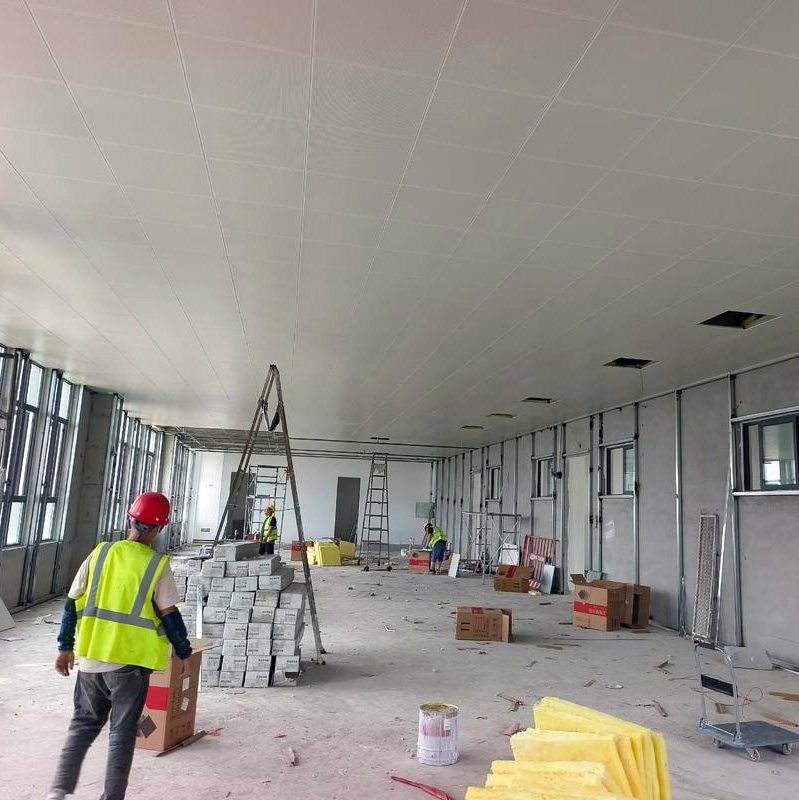
Clip in ceiling systems are commonly manufactured from aluminum alloys such as 3003 and 5052, which offer good strength, corrosion resistance, and long-term durability. Aluminum panels are lightweight, helping reduce structural load while maintaining stable performance in large commercial ceiling projects.
Common panel thicknesses range from 0.6 mm to 1.2 mm. Thinner panels are often used in standard office ceilings, while thicker panels are preferred for airports, transportation hubs, and other large public spaces that require higher structural stability.
6.2 Surface Treatments
Different surface treatments are available to improve both the appearance and durability of aluminum clip in ceiling panels.
- Powder Coating: A cost-effective finish with good scratch resistance and color consistency, widely used in offices, schools, and commercial interiors.
- PVDF Coating: Provides stronger weather resistance, corrosion resistance, and long-term color stability, making it suitable for humid regions and high-traffic public projects.
- Wood Grain Finish: Combines the decorative appearance of natural wood with the durability and low maintenance advantages of aluminum materials.
The choice of surface finish often depends on the project environment, maintenance requirements, and interior design style.
6.3 Color Customization
Clip in ceiling systems support a wide range of color customization options through standard RAL color systems. Matte finishes are commonly selected for modern office and commercial interiors, while gloss finishes are often used in decorative retail or hospitality projects.
Custom colors and finishes allow architects and designers to create ceiling systems that match different architectural styles while maintaining the clean and seamless appearance of concealed ceiling structures.
Basic Installation Overview
7.1 Ceiling Layout Preparation
Proper measurement and planning are important before installing a clip in ceiling system. The ceiling layout should be coordinated with lighting fixtures, HVAC systems, fire sprinkler systems, and access panels to ensure a clean and functional ceiling design. Accurate planning also helps reduce installation errors and improves overall installation efficiency in large commercial projects.
7.2 Suspension Structure Installation
After the layout is confirmed, hangers and main carriers are installed according to the ceiling design. The suspension structure must be aligned carefully to maintain a flat and stable ceiling surface. In large commercial spaces such as airports, offices, and shopping malls, proper carrier alignment is essential for achieving a uniform ceiling appearance.
7.3 Panel Installation
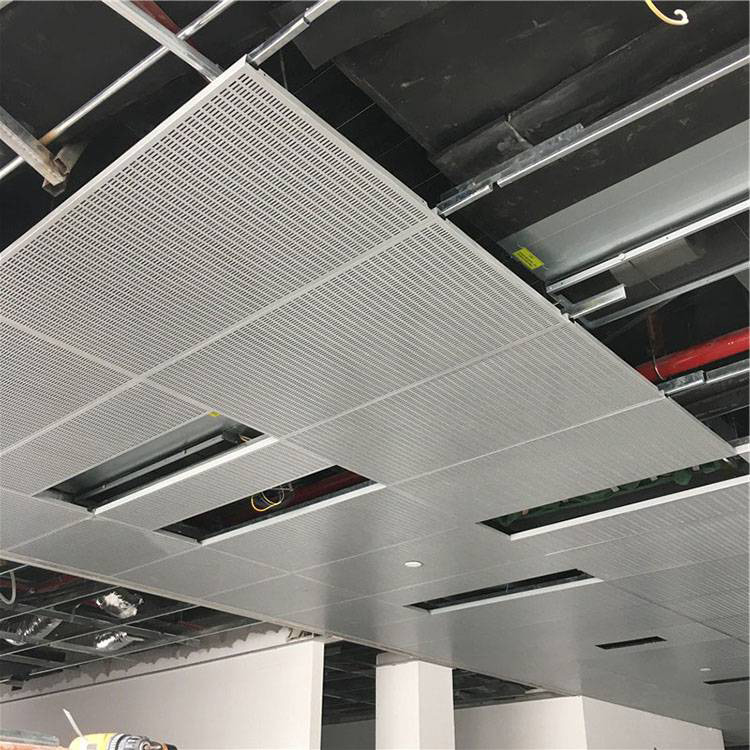
Once the suspension system is completed, aluminum ceiling panels are clipped individually into the concealed carrier structure. The concealed installation method hides the supporting framework behind the panels, creating a seamless and modern ceiling appearance. Modular panel installation also allows damaged panels to be replaced more easily during long-term use.
7.4 Maintenance Access
One practical advantage of clip in ceiling systems is convenient maintenance access. Individual panels can be removed and reinstalled when access is needed for HVAC maintenance, electrical systems, lighting fixtures, or fire protection equipment above the ceiling. This helps reduce maintenance difficulty and minimizes disruption in commercial buildings.
How to Choose the Right Clip In Ceiling System
8.1 Project Environment
The project environment is one of the most important factors when selecting a clip in ceiling system. Standard office buildings and retail spaces usually use lightweight aluminum panels with standard thickness, while airports, hospitals, and transportation hubs often require thicker panels with higher structural stability and corrosion resistance.
In humid environments or coastal regions, aluminum ceiling panels with moisture-resistant surface treatments such as PVDF coating are commonly recommended to improve long-term durability and reduce maintenance requirements.
8.2 Acoustic and Fire Safety Requirements
For conference rooms, public waiting areas, and large open commercial spaces, perforated clip in ceiling panels combined with acoustic backing materials can help reduce echo and improve indoor sound comfort. Acoustic ceiling systems are especially important in airports, hospitals, and office buildings where noise control affects the overall indoor environment.
Fire safety is another important consideration for commercial projects. Non-combustible aluminum ceiling materials are widely used in public buildings because they can meet strict fire safety requirements while maintaining long-term structural performance.
8.3 Design and Aesthetic Requirements
Clip in ceiling systems are available in different panel sizes, perforation styles, colors, and surface finishes to match various architectural designs. Powder coating is commonly used for standard commercial interiors, while wood grain finishes are often selected for hotel lobbies and decorative public spaces.
Choosing the right ceiling finish helps create a more consistent interior appearance while maintaining the clean and seamless effect of concealed ceiling systems.
8.4 Supplier and Manufacturing Capability
A reliable ceiling supplier should provide not only manufacturing capability, but also engineering and project support. Experienced manufacturers can assist with ceiling layout planning, panel customization, and installation recommendations based on project requirements.
Quality control is also important for large commercial projects. Stable panel dimensions, accurate surface finishes, and proper packaging can help reduce installation problems and improve overall project efficiency.
PREGUNTAS FRECUENTES
What is a clip in ceiling system?
A clip in ceiling system is a type of suspended ceiling where aluminum panels are clipped into a concealed carrier framework. This design hides the supporting structure, creating a clean, seamless ceiling appearance suitable for commercial and public buildings.
Are clip in ceilings suitable for humid environments?
Yes. Aluminum clip in ceilings are moisture-resistant and corrosion-resistant, making them ideal for humid areas such as hospitals, bathrooms, coastal buildings, and other high-humidity indoor environments.
Can clip in ceiling panels be customized?
Absolutely. Clip in ceiling panels can be customized in terms of size, shape, perforation patterns, color, and surface finish. This allows architects and designers to meet specific aesthetic and functional requirements for each project.
Are perforated acoustic panels available?
Yes. Perforated aluminum panels can be combined with acoustic backing materials such as rock wool or non-woven fabrics to improve sound absorption, reduce echo, and enhance indoor acoustic comfort in offices, airports, hospitals, and public spaces.
How long do aluminum clip in ceilings last?
With proper installation and regular maintenance, aluminum clip in ceilings can last 15–25 years or longer. The long service life is supported by durable materials, corrosion resistance, and the ability to replace individual panels without affecting the rest of the ceiling.