CONTACT US NOW TO RECEIVE A QUICK QUOTE, SAMPLE SUPPORT, AND ENGINEERING SERVICE GUARANTEE.


Products
600×600 Aluminum Ceiling Tiles for Exhibition Hall Projects
A large exhibition hall is often tens of thousands of square meters of undifferentiated flat span, and one of the less obvious challenges in specifying a ceiling for it is simply the math — quantity takeoffs, panel ordering, and lighting grid alignment all get considerably easier when the ceiling module is a standard, widely available size rather than a custom dimension calculated for one specific hall. Dingchengzun's 600×600 aluminum ceiling tiles are specified for exhibition hall projects largely for this reason: the module size is common enough that quantity estimation, phased ordering, and future replacement stock all stay simple, even across a hall large enough that a sizing mistake early on becomes expensive to correct later.
This system is used across main exhibition floors, registration and entrance halls, exhibitor service areas, and back-of-house support zones within convention and exhibition facilities. Because exhibition halls are typically designed as flexible, column-light spans meant to host different show layouts from one event to the next, the 600×600 grid also aligns naturally with modular lighting truss systems, HVAC diffuser spacing, and the overhead power and data trunking that exhibitor booths connect into — coordination that gets noticeably harder with a non-standard panel dimension.
For large-scale projects procured in phases, or halls built as part of a multi-building convention center campus, the standard module also means later phases or additional halls can match the original specification without redesigning the ceiling grid from scratch.

Looking for Custom Aluminum Ceilings and Facades? Let's Talk


Product Application Showcase
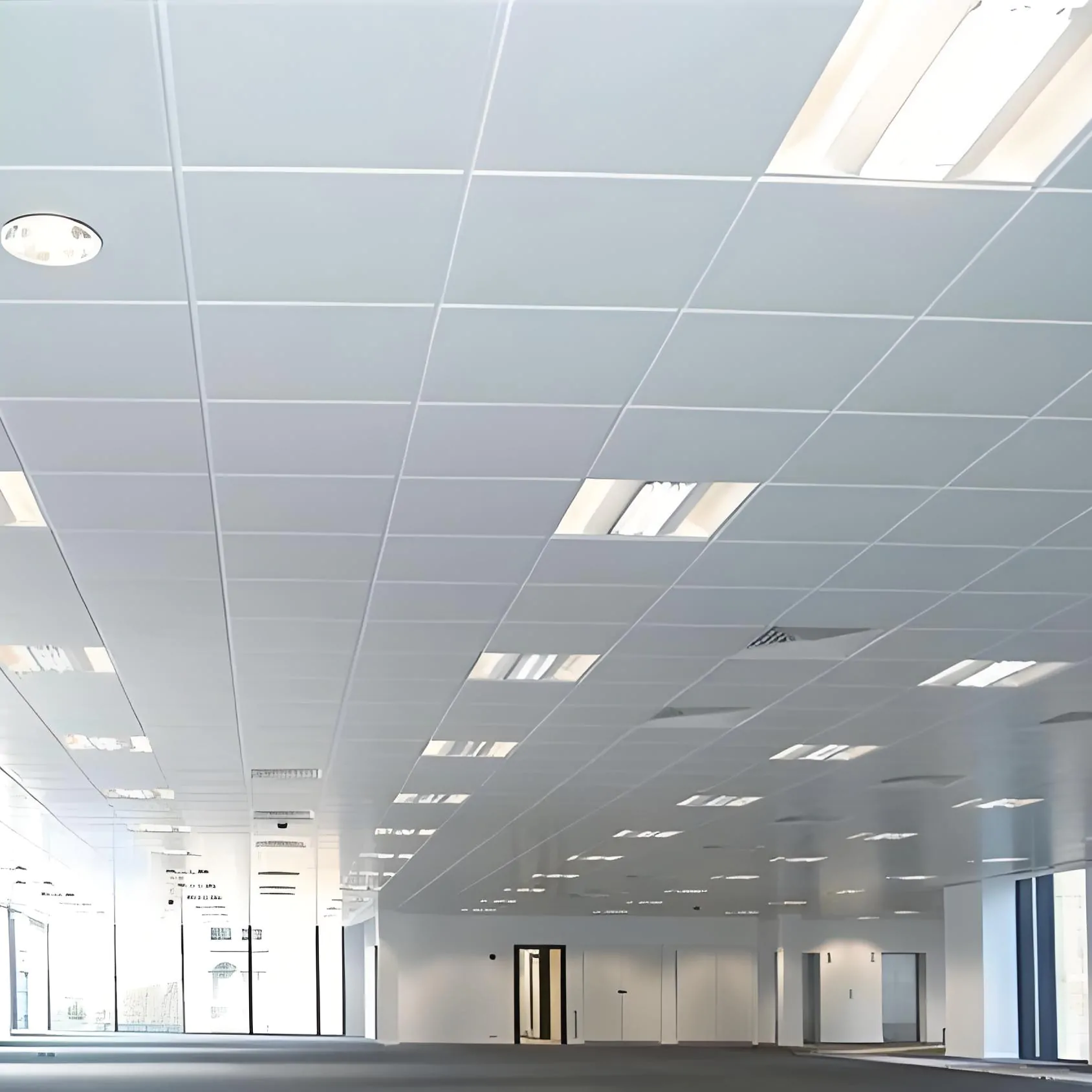
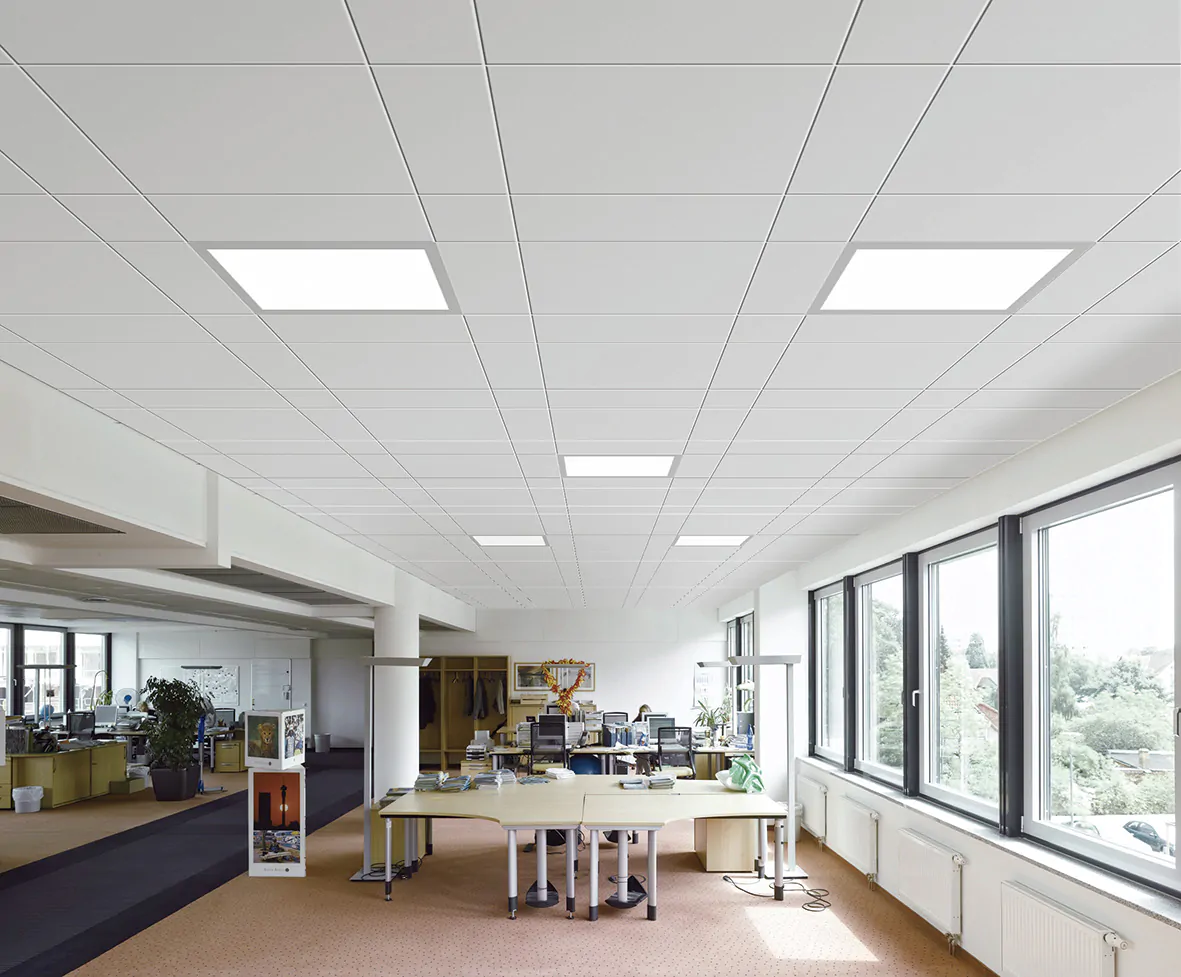
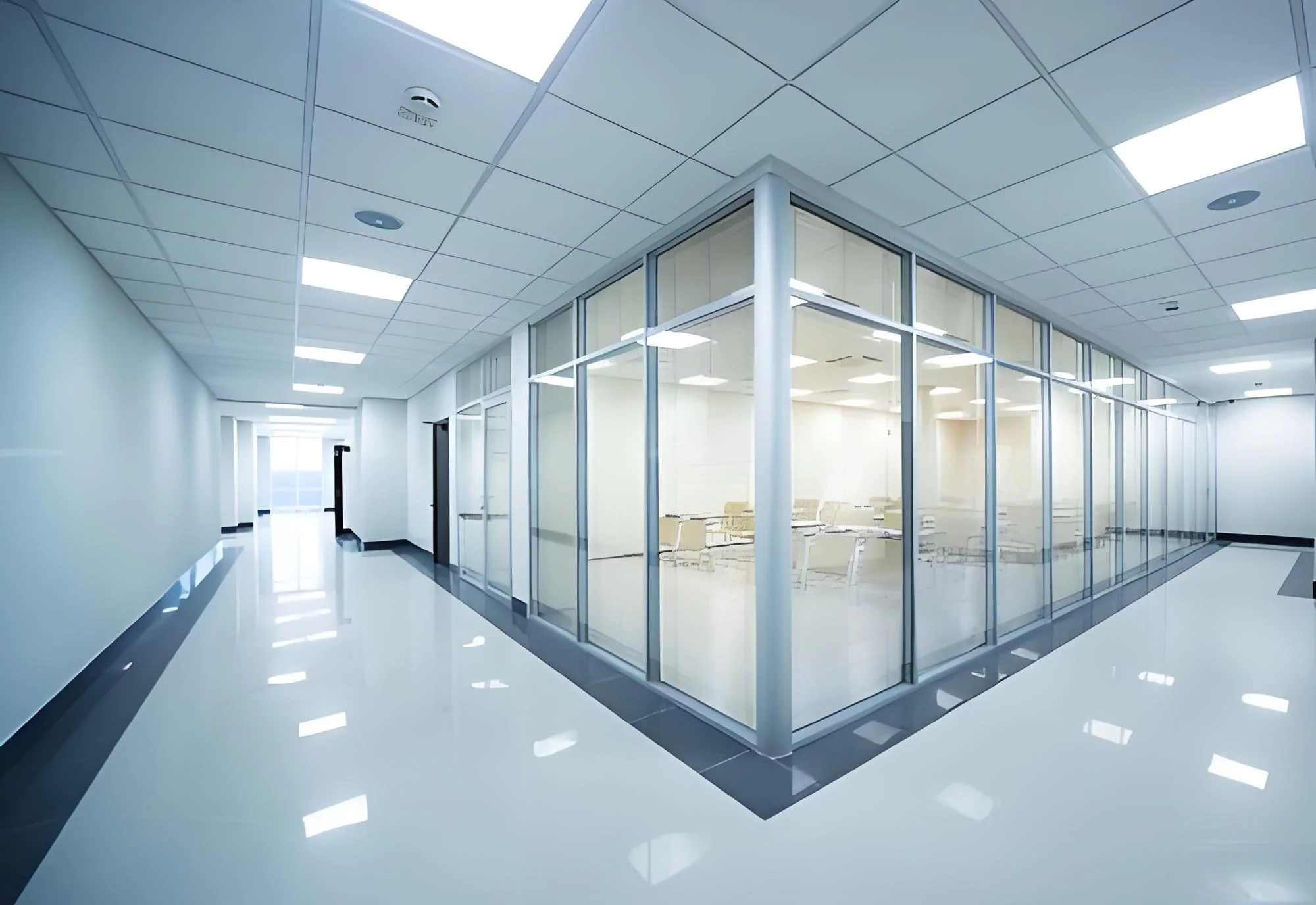
Within the 600×600 panel system, exhibition hall applications are typically specified as solid panels for maximum light reflectance across large open spans, with perforated acoustic options available for areas like registration halls or seminar rooms where speech clarity matters more than in a raw exhibition floor. Coating and finish are usually kept standard rather than highly customized, since large-quantity orders benefit more from predictable lead times and consistent stock availability than from a bespoke finish that slows down a project measured in tens of thousands of panels.
Panel layout is coordinated with the hall’s structural grid, lighting truss spacing, and overhead utility trunking at the drawing stage, and because the 600×600 module is common across the industry, replacement panels remain sourceable long after the original installation without depending on a single custom production run.
Product Installation
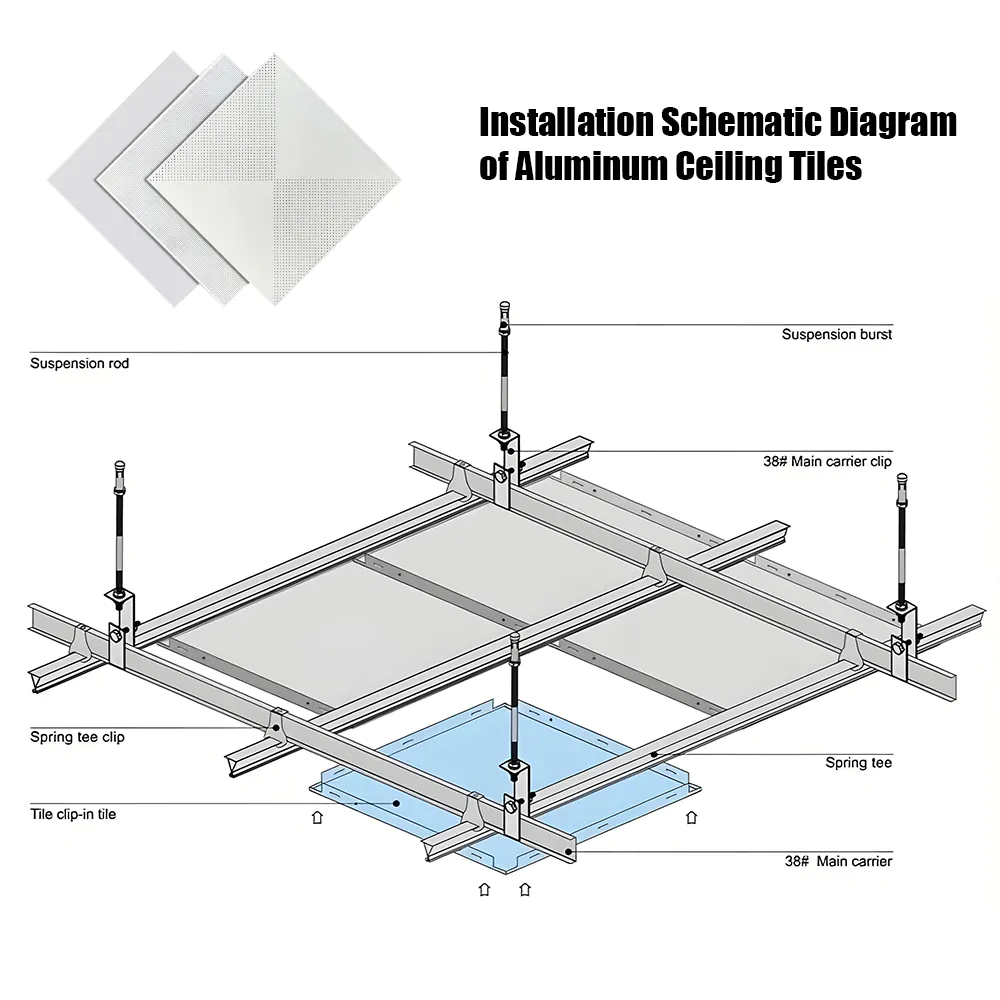
Clip-In Aluminum Ceiling Installation Instruction
- Install the hanger rods according to the ceiling layout and make sure all suspension points are kept at the same horizontal level.
- Fix the main runners securely, then install the clip-in carriers based on the ceiling panel size and layout requirements. The spacing of the carrier system should be adjusted properly to ensure stable support.
- Check and adjust the entire frame to make sure the carrier system is level and aligned before installing the panels.
- Clip the aluminum ceiling panels into the carrier system one by one in the correct order. Make sure each panel is firmly fixed and the joints are neat and even.
- For lights, air diffusers, sprinklers, or access openings, prepare the required cut-outs and reserved positions before or during installation.
- After all panels are installed, inspect the ceiling surface, panel alignment, and connection stability to ensure a flat, clean, and secure finish.


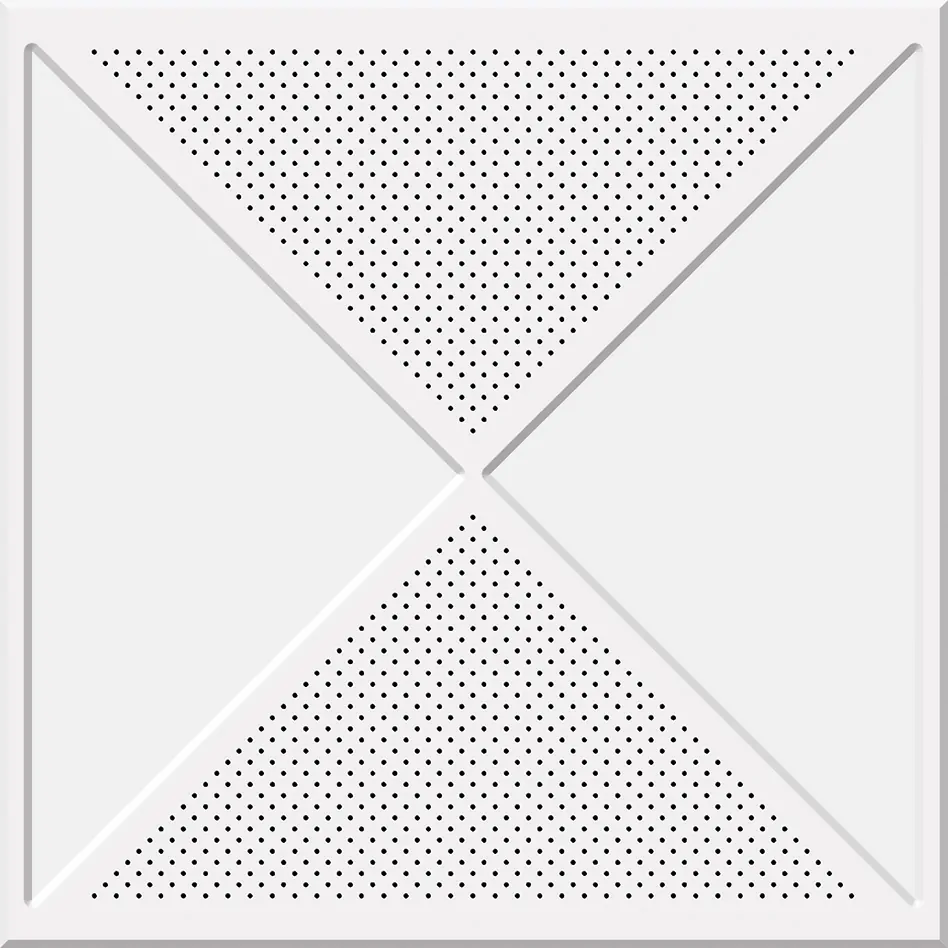

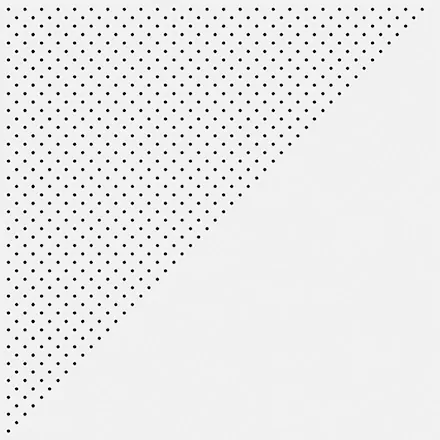

The patterns shown here are only part of what Dingchengzun offers. Our aluminum ceiling panels are available in various pattern options, including flat panels, perforated panels, micro-perforated designs, square patterns, linear patterns, embossed surfaces, decorative textures, metallic finishes, and customized panel designs.
These options can meet different project needs for ceiling decoration, acoustic performance, ventilation, lighting coordination, easy maintenance, and overall interior style. Dingchengzun aluminum ceiling panels can be customized in panel size, perforation pattern, color, surface finish, edge type, and installation system according to project drawings and design requirements.




The colors shown here represent only part of the available color options for Dingchengzun aluminum ceiling panel systems. We provide a wide range of standard and customized colors to support different interior design styles, from clean modern offices to commercial, public, and decorative spaces.
Our aluminum ceiling panel colors are designed to improve visual appearance, coordinate with lighting and wall finishes, and meet the practical needs of different ceiling projects. Whether the design requires classic white, black, gray, metallic tones, wood grain finishes, or customized project colors, Dingchengzun can provide suitable color solutions for various application scenarios.
Click the button below to explore more color options. Dingchengzun supports project-based color selection and customization for aluminum ceiling panels, helping designers, contractors, and developers match different architectural styles, ceiling layouts, and interior design requirements.
Standard sizing simplifies quantity takeoffs, ordering, and future replacement stock, which matters more on large-scale exhibition hall projects than the marginal aesthetic benefit of a custom dimension, especially given how many panels a full hall typically requires.
Yes. The 600×600 module commonly aligns with modular lighting truss systems and standard HVAC diffuser spacing, which simplifies coordination compared to a non-standard panel size.
Yes. Because the module size is standard, later-built halls or additional phases can match the original specification without needing to redesign the ceiling grid for consistency.
Perforated panels with acoustic backing are available for registration halls, seminar rooms, and similar areas where speech clarity is more of a priority than in the main exhibition floor, which typically uses solid panels for maximum light reflectance.
Because 600×600 is a widely used industry-standard module, replacement panels typically remain sourceable long after installation, without depending on a single custom production run tied to the original project.

 English English
  Russian
 French
 Spanish
 Portuguese
 Arabic