CONTACT US NOW TO RECEIVE A QUICK QUOTE, SAMPLE SUPPORT, AND ENGINEERING SERVICE GUARANTEE.


Products
Perforated Aluminum Clip-in Ceiling Tile for Chain Retail & Fashion Stores
A retail ceiling has to do two jobs that pull in opposite directions: disappear into the background so merchandise and lighting take center stage, and hold up to a fit-out cycle that's faster and more frequent than almost any other commercial interior. Chain retailers renovate stores on a schedule most building types never see, and a ceiling that requires major rework every time a layout changes becomes a cost problem, not just a design one. Dingchengzun's perforated aluminum clip-in ceiling tile is built around that reality — a panel that locks into a concealed suspension framework for a tight, seamless finish, but lifts out cleanly when a store needs to reconfigure lighting or signage between seasons.
This system shows up across flagship fashion stores, mall-based chain retail, department store concessions, cosmetics and beauty retail, footwear chains, and quick-turnaround pop-up formats — retail categories where the ceiling needs to read as premium under close-range customer viewing, not just from a distance. The clip-in mechanism gives a cleaner sightline than a lay-in grid system, which matters more in retail than in back-of-house commercial space, since customers are standing directly underneath it.
Perforation isn't just an acoustic feature here, though it does help tame the noise buildup that comes with hard flooring, glass storefronts, and high footfall. It also softens the visual weight of a large ceiling plane in stores with tall volumes, and gives lighting designers a surface that diffuses spill light more evenly than a fully solid panel would.

Looking for Custom Aluminum Ceilings and Facades? Let's Talk


Product Application Showcase
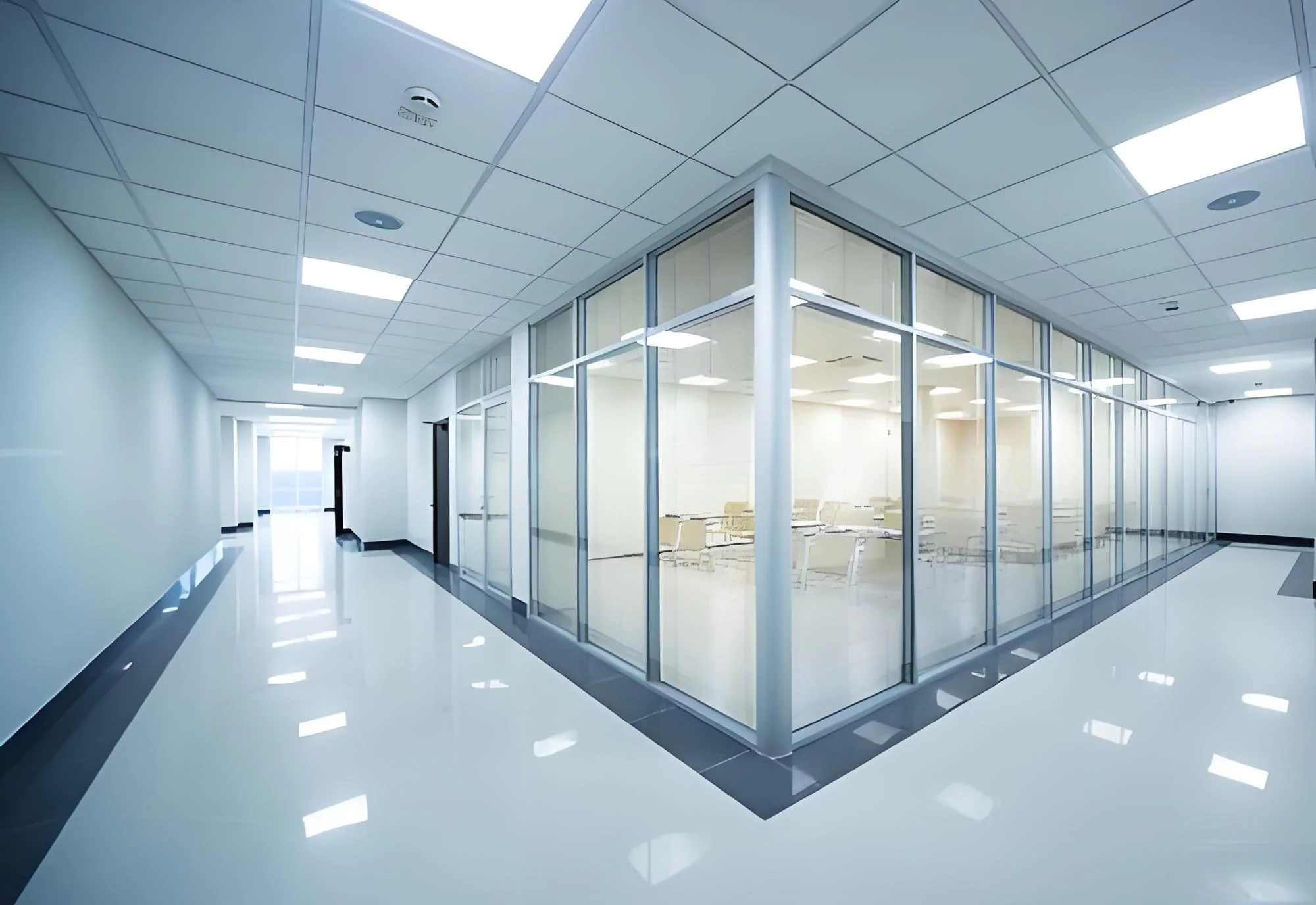
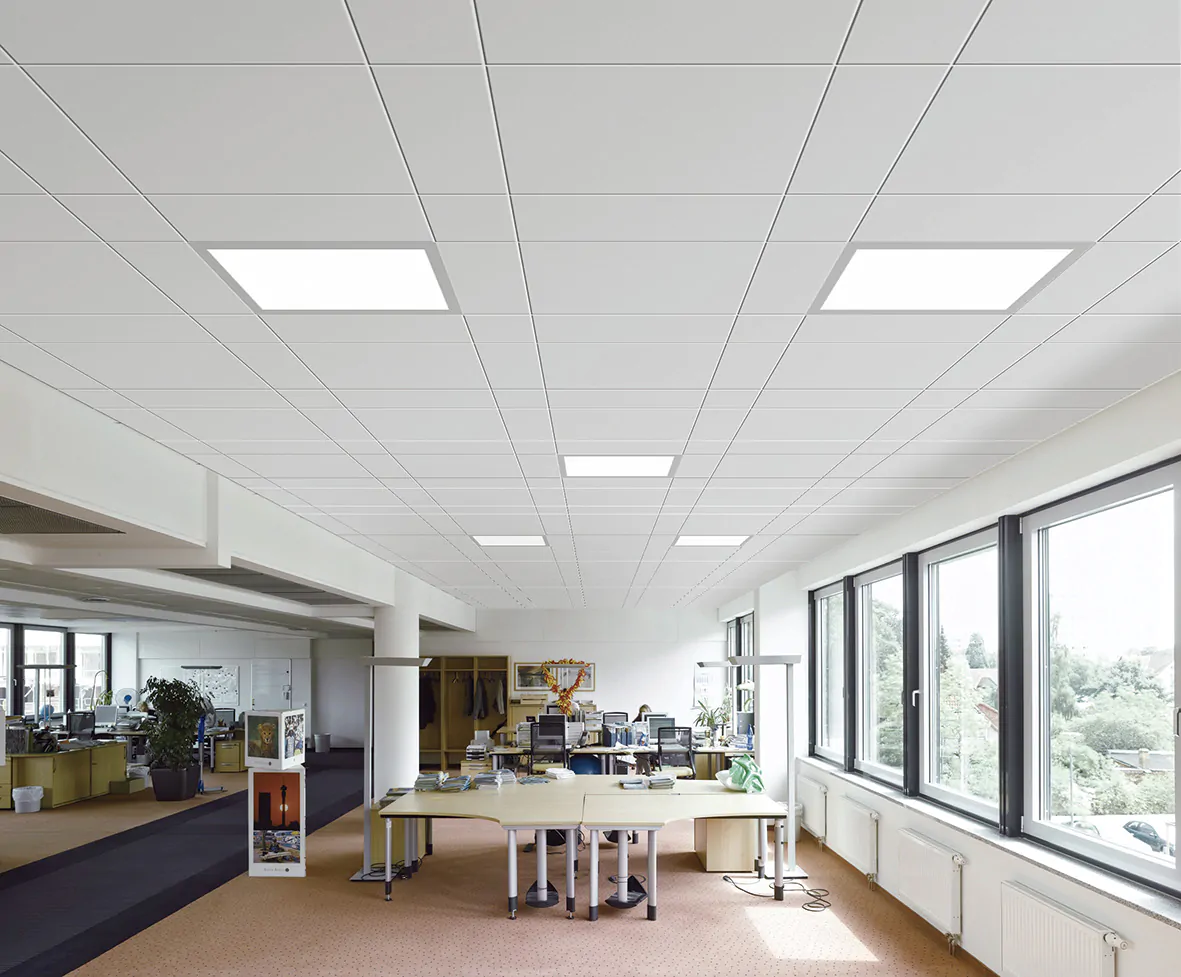
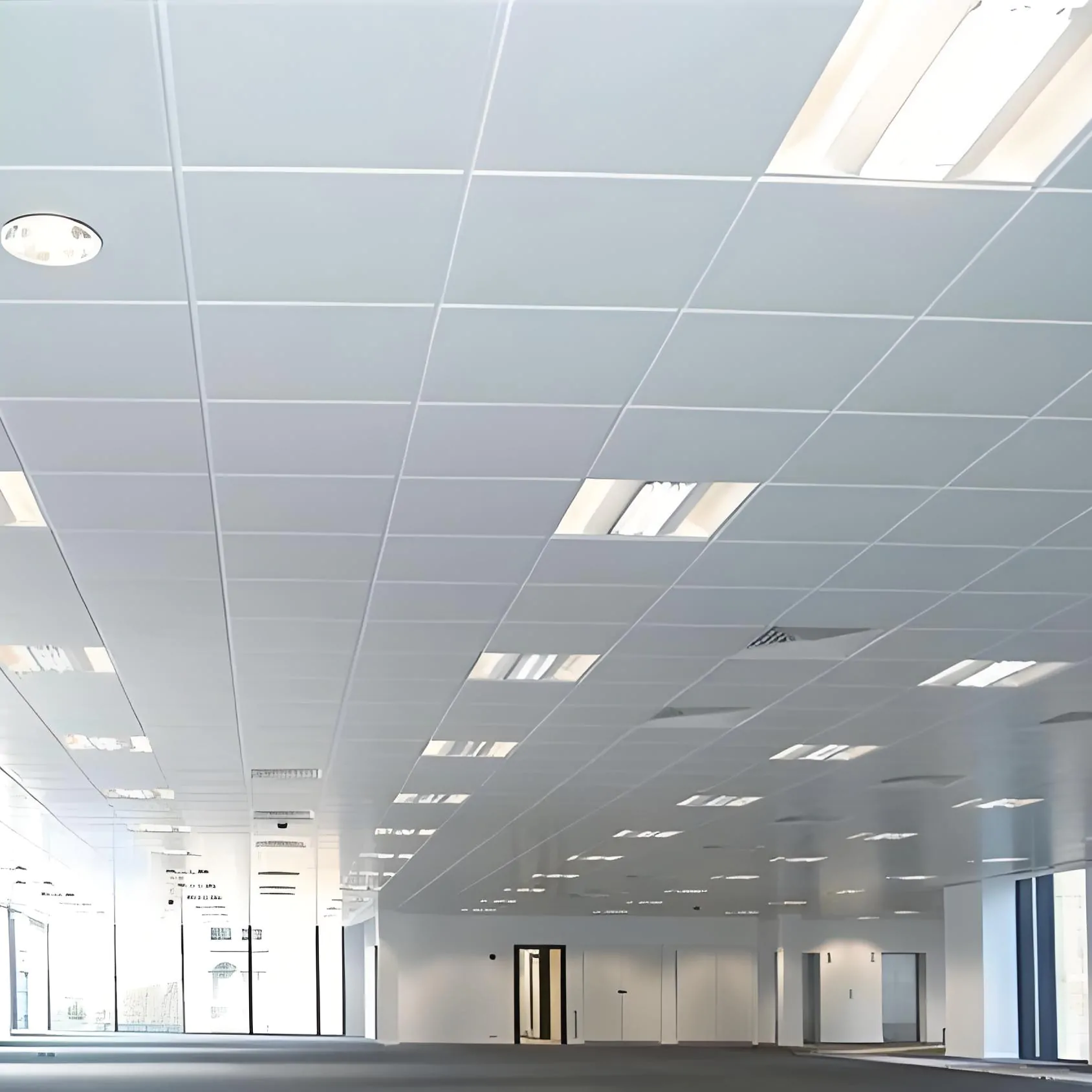
The panel is aluminum rather than a composite or fiber material for a reason specific to retail: it survives the compressed renovation timelines and repeated ceiling access that come with seasonal visual merchandising changes, without the surface degrading the way softer materials do under frequent handling. Perforation density, hole pattern, and acoustic backing are configured against the acoustic profile of the specific store format — a footwear store with hard flooring needs different treatment than a boutique with carpet and soft furnishings.
Color, coating, and perforation pattern are matched to brand identity guidelines rather than offered as a fixed catalog, since chain retailers typically need the ceiling finish to be consistent and reproducible across every store location, not a one-off design decision made per site.
Product Installation
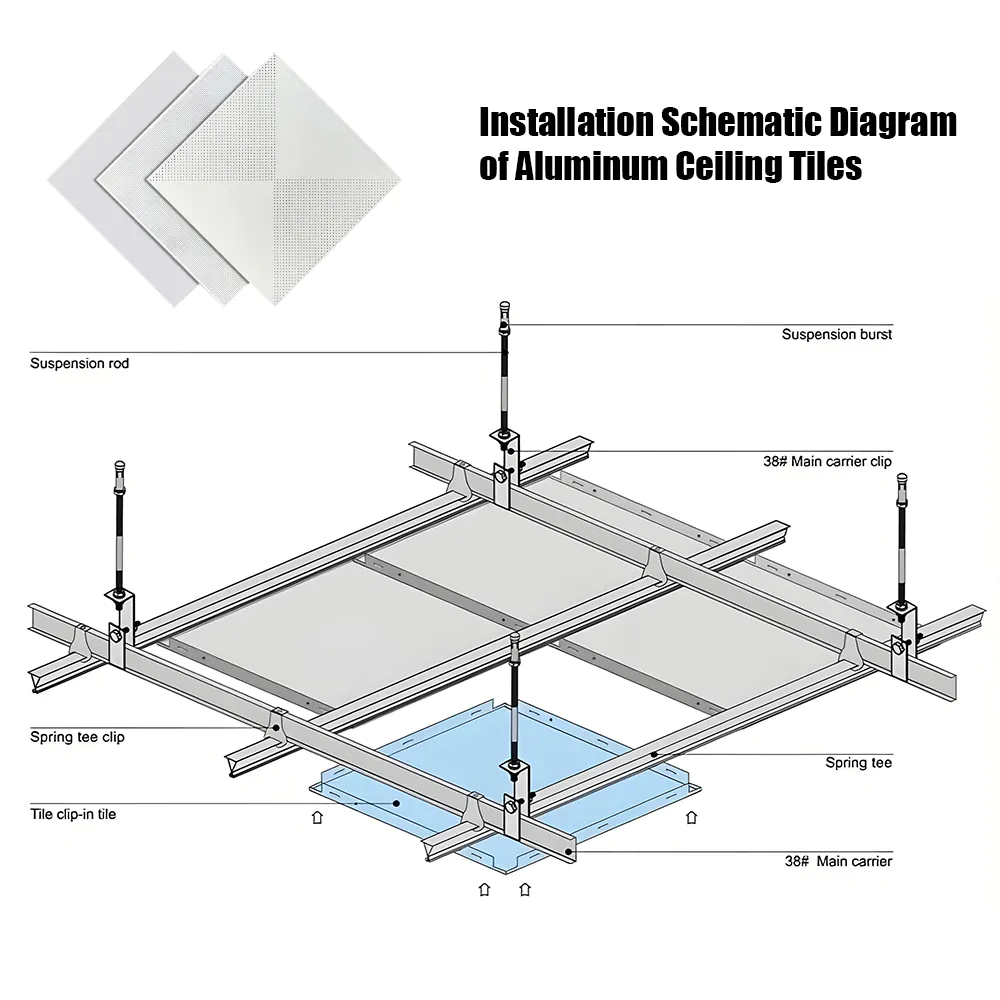 Clip-In Aluminum Ceiling Installation Instruction
- Install the hanger rods according to the ceiling layout and make sure all suspension points are kept at the same horizontal level.
- Fix the main runners securely, then install the clip-in carriers based on the ceiling panel size and layout requirements. The spacing of the carrier system should be adjusted properly to ensure stable support.
- Check and adjust the entire frame to make sure the carrier system is level and aligned before installing the panels.
- Clip the aluminum ceiling panels into the carrier system one by one in the correct order. Make sure each panel is firmly fixed and the joints are neat and even.
- For lights, air diffusers, sprinklers, or access openings, prepare the required cut-outs and reserved positions before or during installation.
- After all panels are installed, inspect the ceiling surface, panel alignment, and connection stability to ensure a flat, clean, and secure finish.


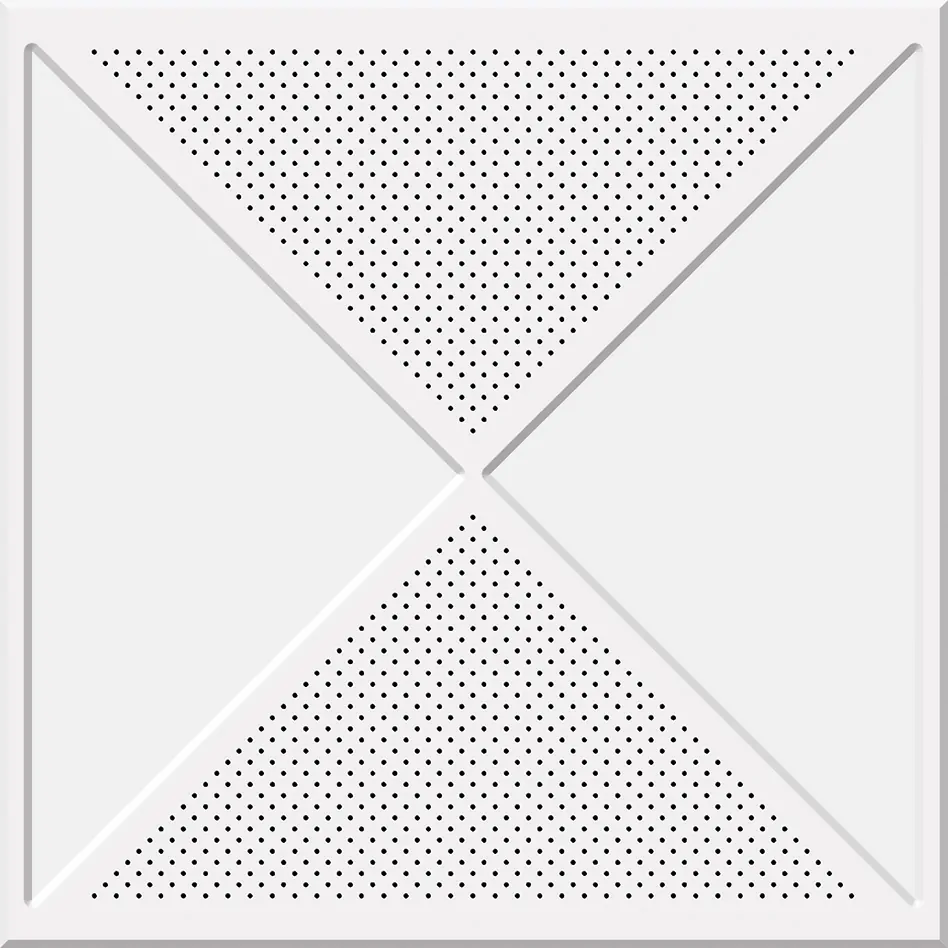

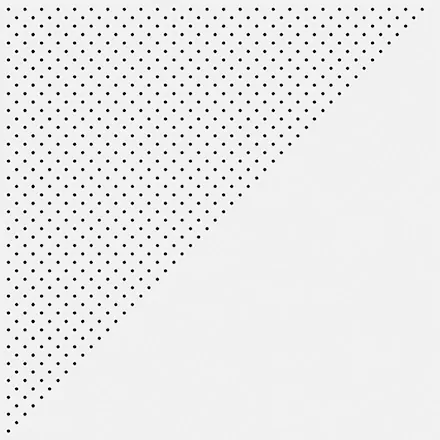

The patterns shown here are only part of what Dingchengzun offers. Our aluminum ceiling panels are available in various pattern options, including flat panels, perforated panels, micro-perforated designs, square patterns, linear patterns, embossed surfaces, decorative textures, metallic finishes, and customized panel designs.
These options can meet different project needs for ceiling decoration, acoustic performance, ventilation, lighting coordination, easy maintenance, and overall interior style. Dingchengzun aluminum ceiling panels can be customized in panel size, perforation pattern, color, surface finish, edge type, and installation system according to project drawings and design requirements.


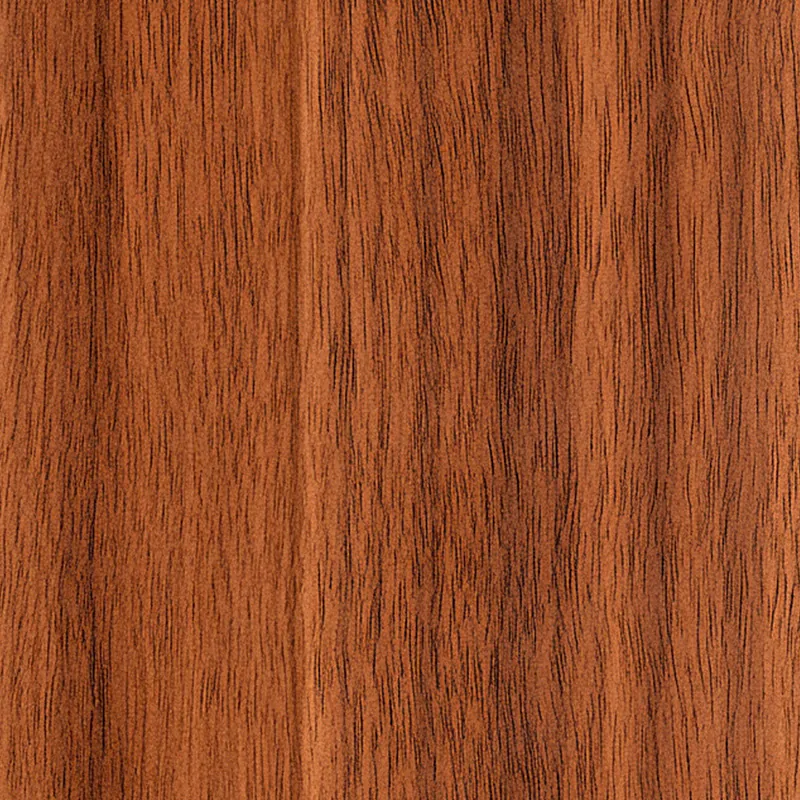

The colors shown here represent only part of the available color options for Dingchengzun aluminum ceiling panel systems. We provide a wide range of standard and customized colors to support different interior design styles, from clean modern offices to commercial, public, and decorative spaces.
Our aluminum ceiling panel colors are designed to improve visual appearance, coordinate with lighting and wall finishes, and meet the practical needs of different ceiling projects. Whether the design requires classic white, black, gray, metallic tones, wood grain finishes, or customized project colors, Dingchengzun can provide suitable color solutions for various application scenarios.
Click the button below to explore more color options. Dingchengzun supports project-based color selection and customization for aluminum ceiling panels, helping designers, contractors, and developers match different architectural styles, ceiling layouts, and interior design requirements.
Yes. Color, coating, and perforation pattern can be set against your brand guidelines and reproduced consistently across multiple store locations, which is the more common request from chain retail clients than a one-off custom design.
The clip-in panels are designed for repeated removal and reinstallation without damaging the panel edge or finish, which matters for retailers who reconfigure lighting or signage between seasonal resets.
Perforated panels combined with acoustic backing help reduce noise buildup, which is particularly useful in stores with hard flooring, glass storefronts, and high customer traffic. Perforation density can be adjusted based on your store's acoustic profile.
Clip-in panels lock into a concealed framework for a tighter, more seamless finish with no visible grid lines, which is generally preferred in customer-facing retail space. Lay-in panels rest on a visible T-grid and are typically used where budget or installation speed is a bigger factor than finish appearance.
Yes. Panel sizing and layout can be adjusted per store while keeping the finish, color, and perforation pattern consistent, so the ceiling reads the same across your store network even where the physical space differs.

 English English
  Russian
 French
 Spanish
 Portuguese
 Arabic