







Produtos
Ladrilhos acústicos de alumínio para projectos de tectos de bibliotecas
In most commercial interiors, acoustic performance is one requirement among several. In a library, it's arguably the requirement the entire ceiling exists to satisfy. Reading rooms, quiet study zones, and reference areas depend on the ceiling to absorb sound rather than reflect it back across open floor plans that often mix silent study areas with group work tables, computer stations, and circulation desks within the same visual space. Dingchengzun's acoustic aluminum clip-in ceiling tiles for library projects are built with sound absorption treated as the primary design driver, not a secondary feature layered onto a standard panel.
This system is used across reading rooms, quiet study areas, reference sections, group study rooms, library computer labs, and circulation desk zones — spaces within the same building that can have very different noise tolerance depending on their function. A modern library rarely enforces uniform silence throughout anymore; instead, it manages acoustic zones, and the ceiling plays a direct role in how well sound stays contained within each zone rather than carrying across the floor plan.
Perforation density and acoustic backing are the two variables that do most of the work here, and they're specified differently depending on whether a space is meant to be near-silent or simply comfortable for low-level conversation.

Procura tectos e fachadas de alumínio personalizados? Vamos conversar


Apresentação da aplicação do produto
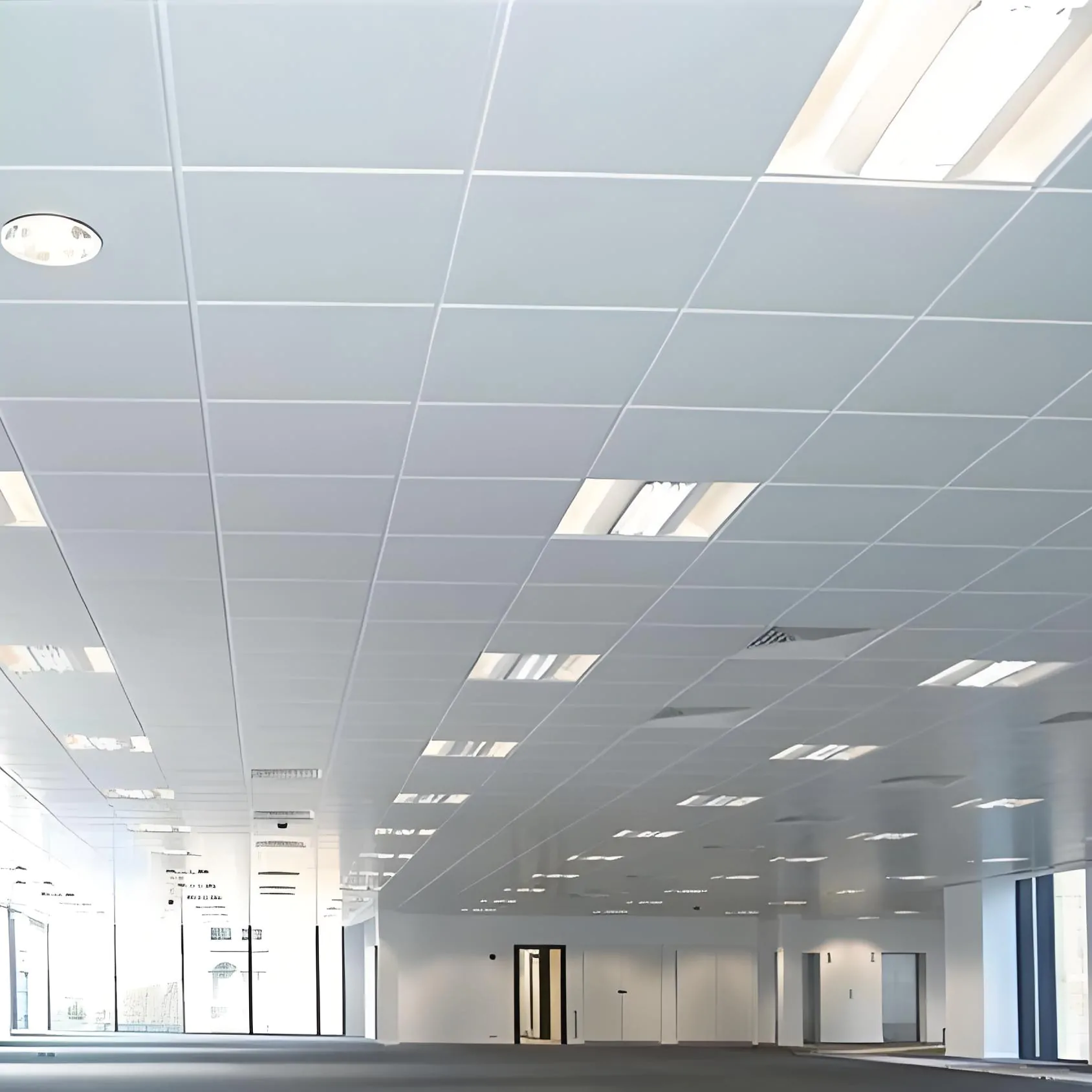
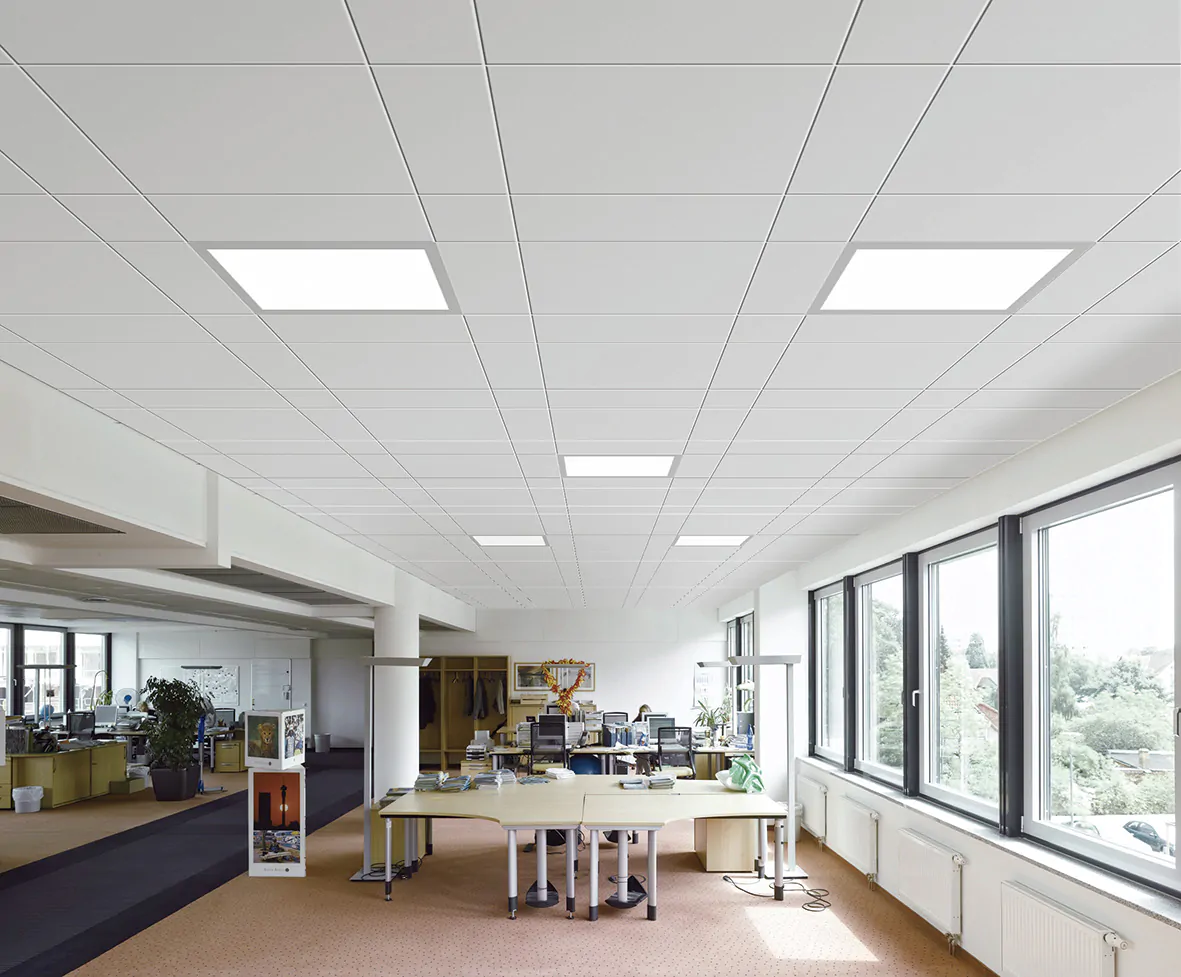
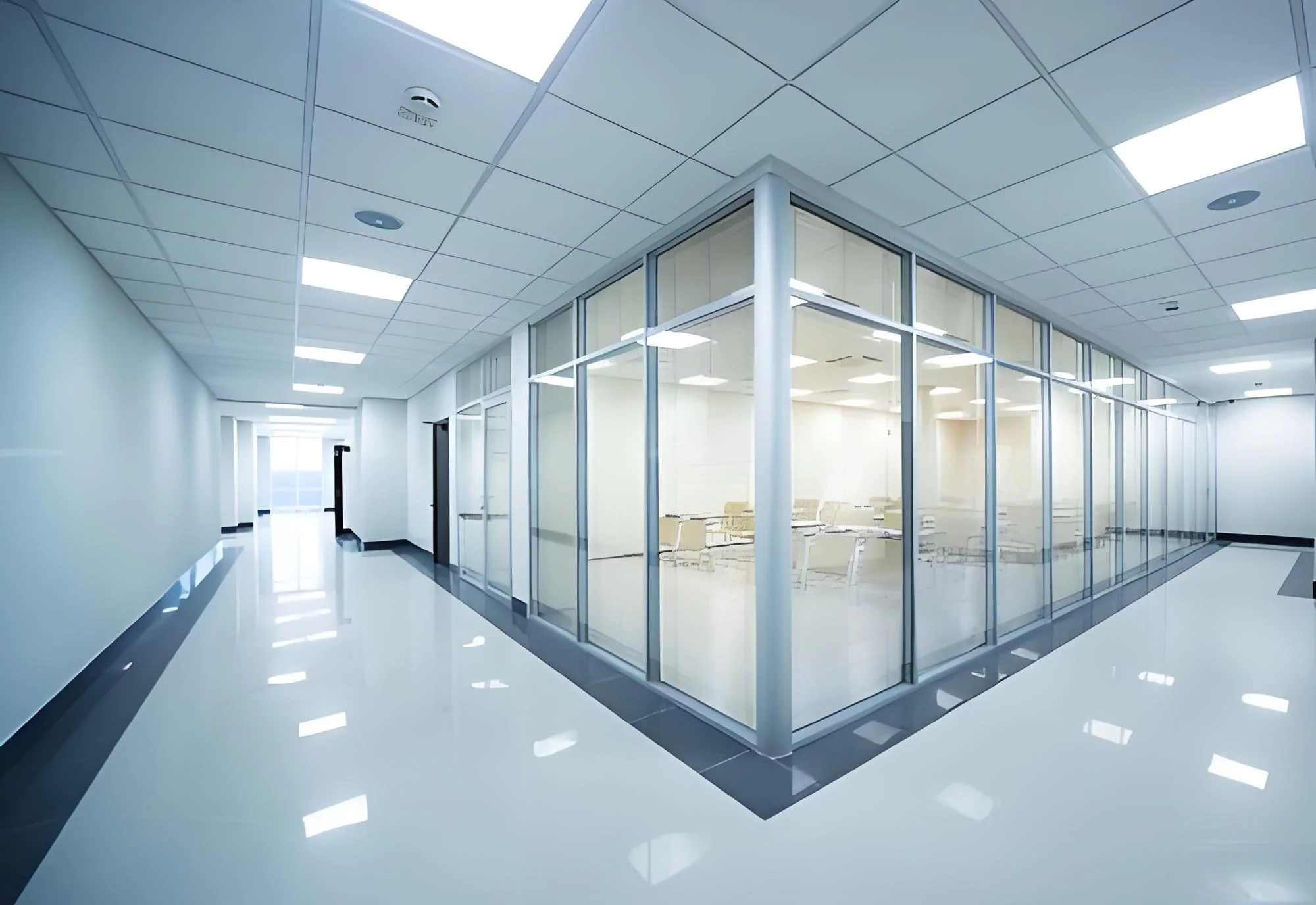
Within the clip-in panel system, library applications are typically specified with higher perforation density and heavier acoustic backing than most commercial ceiling categories, since sound absorption performance is measured and compared against library design standards rather than treated as a nice-to-have. Quiet study zones and reading rooms usually call for the highest absorption specification available in the panel range, while group study rooms and circulation areas can use a lighter acoustic treatment appropriate to their higher expected noise tolerance.
Finish and color are generally secondary considerations here compared to acoustic performance, though standard light finishes remain common since libraries typically prioritize even daylight and artificial light distribution across reading surfaces over a decorative ceiling statement.
Instalação do produto
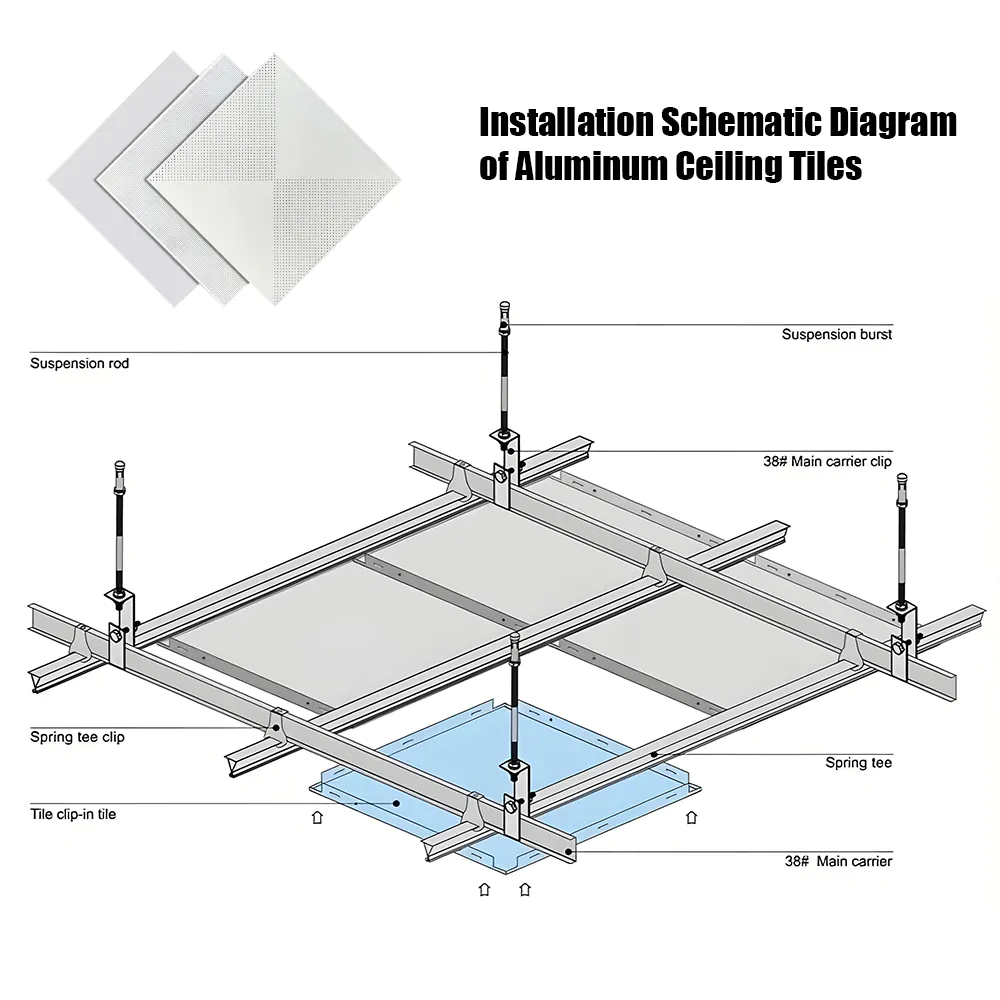
Instruções de instalação do teto de alumínio Clip-In
- Instale as barras de suspensão de acordo com a disposição do teto e certifique-se de que todos os pontos de suspensão são mantidos ao mesmo nível horizontal.
- Fixe bem as corrediças principais e, em seguida, instale os suportes de encaixe com base no tamanho do painel do teto e nos requisitos de disposição. O espaçamento do sistema de suporte deve ser ajustado corretamente para garantir um suporte estável.
- Verifique e ajuste toda a estrutura para se certificar de que o sistema de suporte está nivelado e alinhado antes de instalar os painéis.
- Encaixe os painéis de teto de alumínio no sistema de suporte, um a um, pela ordem correta. Certifique-se de que cada painel está bem fixo e que as juntas estão limpas e uniformes.
- Para luzes, difusores de ar, aspersores ou aberturas de acesso, preparar os recortes necessários e as posições reservadas antes ou durante a instalação.
- Após a instalação de todos os painéis, inspeccione a superfície do teto, o alinhamento dos painéis e a estabilidade das ligações para garantir um acabamento plano, limpo e seguro.






Os padrões mostrados aqui são apenas parte do que a Dingchengzun oferece. Nossos painéis de teto de alumínio estão disponíveis em várias opções de padrões, incluindo painéis planos, painéis perfurados, designs microperfurados, padrões quadrados, padrões lineares, superfícies em relevo, texturas decorativas, acabamentos metálicos e designs de painéis personalizados.
Essas opções podem atender às diferentes necessidades do projeto para decoração de teto, desempenho acústico, ventilação, coordenação de iluminação, fácil manutenção e estilo geral do interior. Os painéis de teto de alumínio da Dingchengzun podem ser personalizados em tamanho de painel, padrão de perfuração, cor, acabamento de superfície, tipo de borda e sistema de instalação de acordo com os desenhos do projeto e requisitos de design.




As cores aqui apresentadas representam apenas uma parte das opções de cores disponíveis para os sistemas de painéis de teto em alumínio da Dingchengzun. Fornecemos uma ampla gama de cores padrão e personalizadas para apoiar diferentes estilos de design de interiores, desde escritórios modernos e limpos até espaços comerciais, públicos e decorativos.
Nossas cores de painel de teto de alumínio são projetadas para melhorar a aparência visual, coordenar com acabamentos de iluminação e parede, e atender às necessidades práticas de diferentes projetos de teto. Se o design requer branco clássico, preto, cinza, tons metálicos, acabamentos de grãos de madeira ou cores de projeto personalizadas, a Dingchengzun pode fornecer soluções de cores adequadas para vários cenários de aplicação.
Clique no botão abaixo para explorar mais opções de cores. A Dingchengzun suporta a seleção de cores com base em projectos e a personalização de painéis de teto em alumínio, ajudando os designers, empreiteiros e promotores a combinar diferentes estilos arquitectónicos, disposições de tectos e requisitos de design de interiores.
Library-specification panels typically use higher perforation density and heavier acoustic backing than standard commercial ceiling tiles, since sound absorption is the primary design requirement rather than a secondary feature.
No. Quiet study zones and reading rooms usually call for the highest absorption level available, while group study rooms and circulation desk areas can use a lighter acoustic treatment suited to their higher tolerance for conversation-level noise.
Perforation reduces reflectance somewhat compared to a fully solid panel, but finish and color can still be selected to support even light distribution across reading areas — this is usually balanced against the acoustic requirement rather than treated as a separate decision.
Yes. Acoustic zoning is a common library design approach, and panel specification can vary by zone so that quieter areas receive higher sound absorption while more active areas use a lighter treatment appropriate to their function.
Please share your library's floor plan with noted zones (quiet study, group work, circulation, etc.), ceiling height, and any acoustic performance targets from your architect or acoustic consultant, so perforation density and backing can be matched to each area.
