Recommended Cleaning Tools
Choosing the right cleaning tools helps protect the surface finish of aluminum ceiling tiles and prevents unnecessary scratches during maintenance.
For daily cleaning, use a microfiber cloth, soft sponge, clean water, and mild neutral detergent. These tools are suitable for most powder coated, matte, glossy, metallic, and wood grain aluminum ceiling tile surfaces.
For perforated aluminum ceiling tiles or panel edges, a soft brush can help remove dust from small holes and corners without damaging the coating. After cleaning, wipe the surface with a dry towel to reduce water marks.
For high ceiling areas, use a safe ladder or maintenance platform. When panels need to be removed, place them flat and avoid dragging them against hard surfaces.
Avoid steel wool, abrasive pads, sharp tools, strong acid cleaners, strong alkaline cleaners, and harsh chemical solvents. These may scratch the coating, damage the finish, or reduce the service life of aluminum ceiling tiles.
Basic Cleaning Steps
Start by removing loose dust from the aluminum ceiling tiles with a dry microfiber cloth or soft brush. This helps prevent dust from spreading or scratching the surface during wiping.
Next, wipe the panel surface gently with clean water and a soft sponge or cloth. For visible stains, use a mild neutral detergent mixed with water. Before cleaning a large area, test the detergent on a small hidden part of the panel.
After cleaning the stained area, wipe again with a clean damp cloth to remove detergent residue. Avoid spraying water directly near lighting fixtures, electrical equipment, speakers, or access panels.
Finally, dry the aluminum ceiling tiles with a soft towel to prevent water marks. During cleaning, check corners, edges, perforations, and areas around air diffusers, sprinklers, lights, and access panels, as these areas often collect dust more easily.
Cleaning Different Surface Finishes
Different aluminum ceiling tile finishes need slightly different cleaning methods. Using the right method helps protect the coating, color, texture, and long-term ceiling appearance.
For powder coated aluminum ceiling tiles, use a soft cloth, clean water, and mild neutral detergent. Avoid abrasive pads, strong acid cleaners, or strong alkaline cleaners that may damage the coated surface.
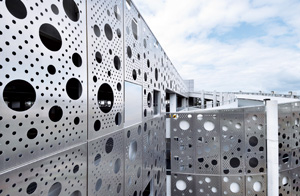
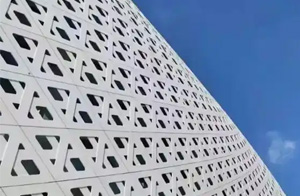
For perforated aluminum ceiling tiles, wipe the surface gently and use a soft brush to remove dust from the holes. Avoid sharp tools, and do not push dirt into the perforations or damage the acoustic backing if it is used.
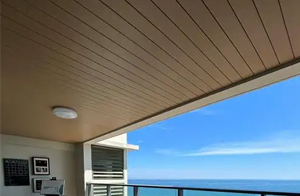
For wood grain aluminum ceiling tiles, clean along the grain direction with a soft cloth. Avoid strong chemicals or repeated hard wiping that may affect the decorative wood grain finish.
For matte finishes, wipe evenly to reduce visible cleaning marks. For glossy and metallic finishes, dry the surface carefully with a soft towel to reduce fingerprints, streaks, and water marks.
Maintenance and Inspection Tips
Regular inspection helps keep aluminum ceiling tiles safe, clean, and stable during long-term use. For normal office and commercial spaces, a basic inspection can be arranged every few months, depending on traffic, indoor conditions, and building use.
For high-traffic public buildings, transportation areas, hospitals, supermarkets, or food service spaces, inspection should be more frequent. These areas often have more dust, airflow, moisture, cleaning activity, and ceiling equipment maintenance.
During inspection, check whether any ceiling tiles are loose, misaligned, dented, scratched, stained, or damaged. Also pay attention to coating problems such as peeling, discoloration, water marks, or surface wear.
The suspension system, T-grid system, carrier system, and access panels should be checked to make sure they remain stable and easy to operate. Areas around lights, air diffusers, sprinklers, speakers, CCTV cameras, and maintenance openings should be inspected carefully.
If damaged panels are found, replace them in time with matching size, edge type, color, and surface finish. For lighting, HVAC, fire protection, or electrical areas, maintenance should be handled by qualified workers to avoid safety problems.