PÓNGASE EN CONTACTO CON NOSOTROS AHORA PARA RECIBIR UN PRESUPUESTO RÁPIDO, SOPORTE DE MUESTRAS Y GARANTÍA DE SERVICIO DE INGENIERÍA.


Productos
Techo de tiras de aluminio para terminal de aeropuerto
Si caminas lo suficiente por el vestíbulo de un aeropuerto, un anuncio de la puerta de embarque que se oía perfectamente cerca del altavoz se convierte en un murmullo indistinto para cuando llega al otro extremo del vestíbulo. No se trata de un problema de ubicación de los altavoces que se pueda resolver subiendo el volumen: las superficies duras y reflectantes que hay en una terminal amplia, acristalada y de techos altos hacen que la energía sonora rebote y se acumule más rápido de lo que tarda en atenuarse de forma natural, y la acumulación de reverberación reduce la inteligibilidad a medida que aumenta la distancia, independientemente del volumen del anuncio original. Un techo de listones con revestimiento acústico detrás de la ranura resuelve este problema directamente, absorbiendo una parte significativa de esa energía reflejada a lo largo del plano del techo, en lugar de dejar que rebote indefinidamente entre el suelo duro, el muro cortina acristalado y un techo sin tratar situado más arriba.
El techo de tiras de aluminio de Dingchengzun para los interiores de las terminales aeroportuarias se ha diseñado teniendo en cuenta esta función acústica como factor principal en los largos pasillos, las salas de salidas y las zonas de espera de las puertas de embarque —cualquier lugar en el que los pasajeros necesiten oír con claridad las llamadas de embarque, las instrucciones de seguridad o los anuncios de emergencia en un espacio amplio, a menudo abarrotado, con un ruido ambiental significativo procedente del tránsito de personas, el rodar de las maletas, y los sistemas de climatización que funcionan a escala de edificio comercial. La geometría direccional de las tiras, que se adapta de forma natural a la disposición lineal de una sala de embarque, acaba desempeñando simultáneamente una función de orientación y otra acústica: la misma decisión de diseño resuelve dos problemas distintos.

¿Busca techos y fachadas de aluminio a medida? Hablemos


Escaparate de aplicaciones de productos


La anchura de las ranuras y la densidad del revestimiento acústico se especifican en función del tiempo de reverberación real del espacio y de la disposición de los altavoces del sistema de megafonía, y no se aplican como un tratamiento genérico fijo: una zona de asientos con altavoces muy próximos entre sí para lograr una cobertura uniforme necesita un tratamiento acústico diferente al de un pasillo largo de tránsito con altavoces más separados, donde el sonido tiene que recorrer una mayor distancia antes de llegar al oyente. Coordinar el tratamiento acústico del techo con tiras con la disposición real de los altavoces de su sistema de megafonía y el plan de cobertura suele producir una mejor inteligibilidad en la práctica que especificar la acústica del techo y la disposición del sistema de audio de forma independiente entre sí.
Más allá del rendimiento acústico, el material de las tiras y el revestimiento cumplen los mismos requisitos de durabilidad que se aplican a otras zonas de los techos de las terminales aeroportuarias: resistencia a la corrosión, estabilidad estructural en condiciones de gran luz y puntos de integración para las pantallas de información de vuelos, la señalización orientativa y la iluminación que se extienden a lo largo de los planos de los techos de la terminal.
Instalación del producto
Instrucciones de instalación del techo de tiras de aluminio
- Instala las barras de suspensión siguiendo la disposición del techo, manteniendo todos los puntos de suspensión al mismo nivel horizontal para evitar que la línea de banda se combe o se retuerza a lo largo de su recorrido.
- Fija bien los rieles principales y, a continuación, coloca los rieles de soporte (o travesaños) de forma que se ajusten a la distancia entre tiras y a la anchura del módulo especificadas en el plano de disposición.
- Comprueba y ajusta todo el armazón para que el sistema de soporte quede nivelado, recto y a escuadra antes de colgar ninguna tira, ya que cualquier desalineación en esta fase se notará claramente a lo largo de un tramo lineal continuo.
- Inserta las tiras de aluminio en el riel de soporte de una en una, siguiendo el orden correcto para que cada tira encaje a ras con la siguiente y el ancho del hueco se mantenga constante a lo largo de todo el tramo.
- Prepara los huecos y las zonas reservadas para los accesorios de iluminación, los difusores de aire, los rociadores o los paneles de acceso antes o durante la instalación, y utiliza molduras o tiras de cierre a juego en estas aberturas para mantener la continuidad de la línea.
- Una vez instaladas todas las tiras, observe a lo largo de todo el tramo para comprobar que el espacio entre ellas sea uniforme, que estén bien alineadas y que las uniones estén bien fijadas, asegurándose de que la línea del techo quede plana, continua y con un acabado adecuado.
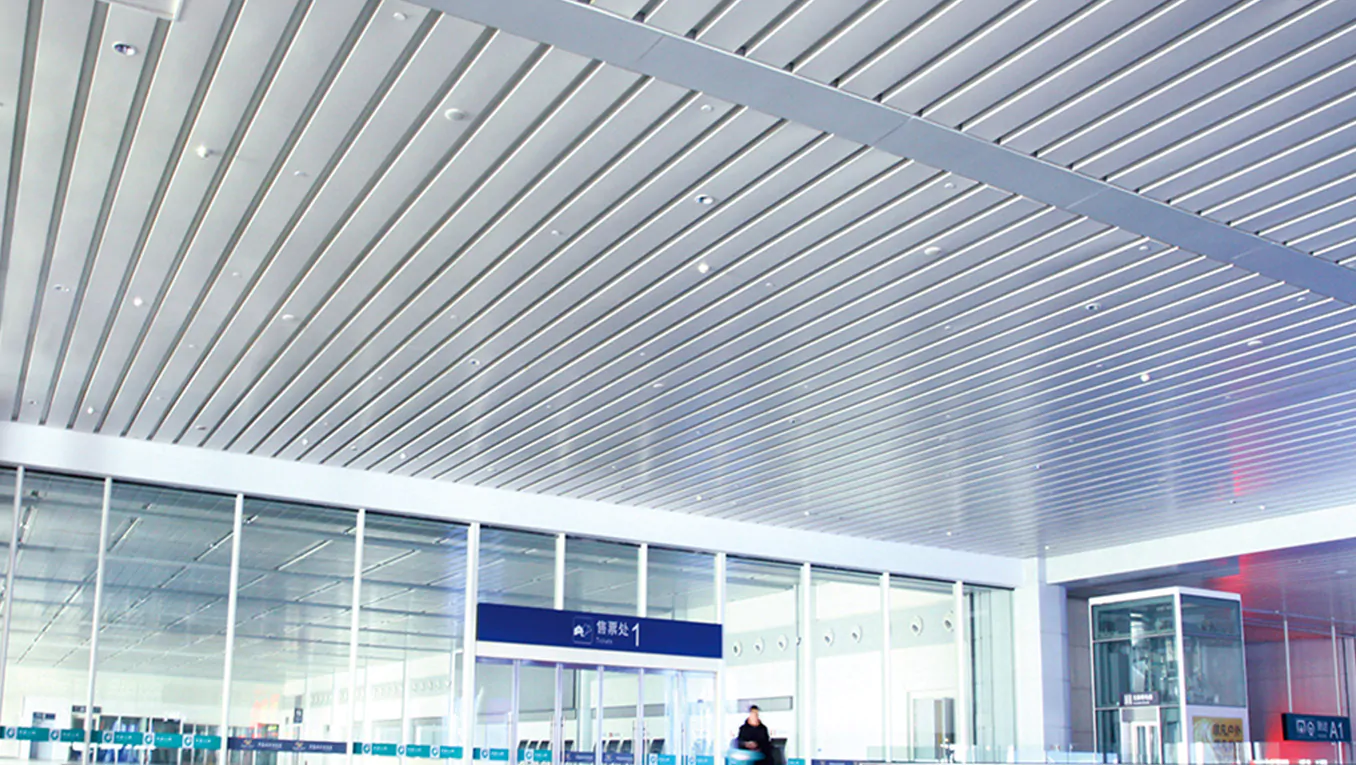
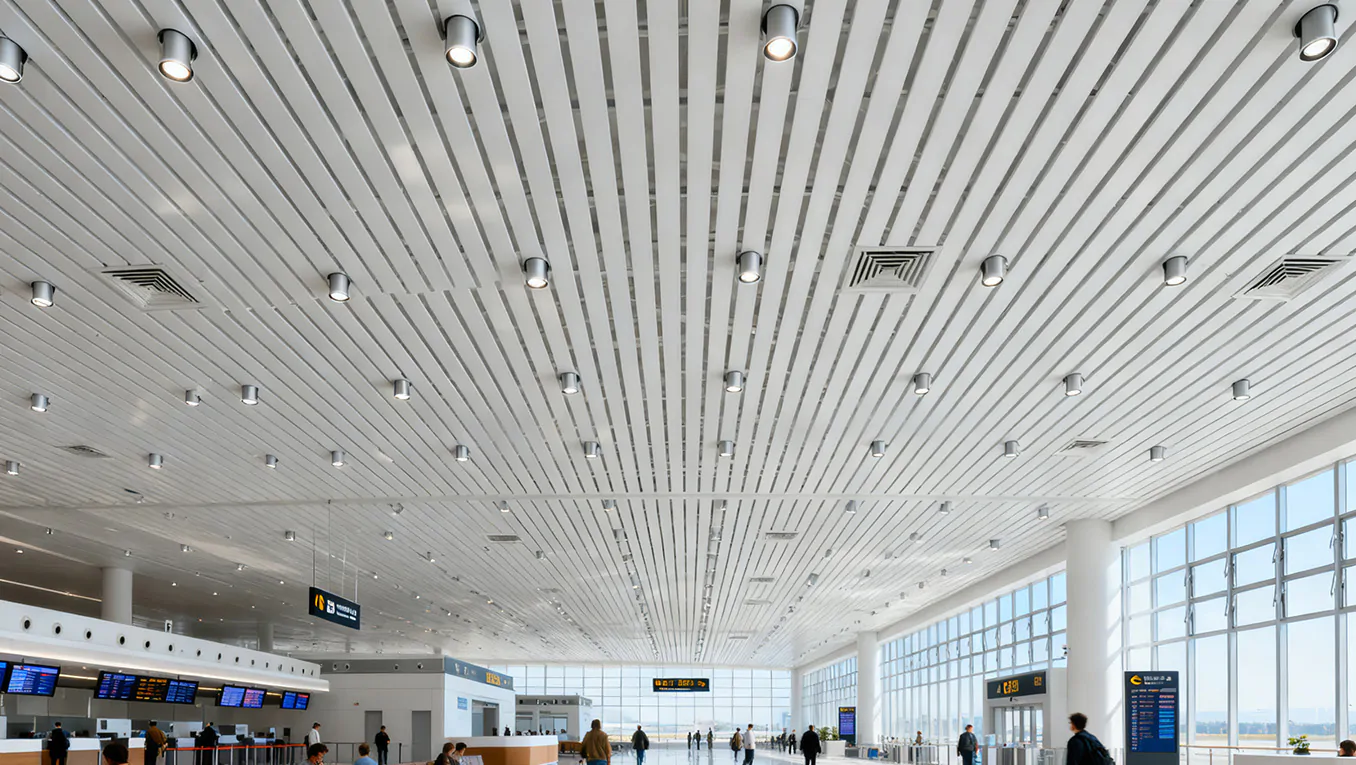
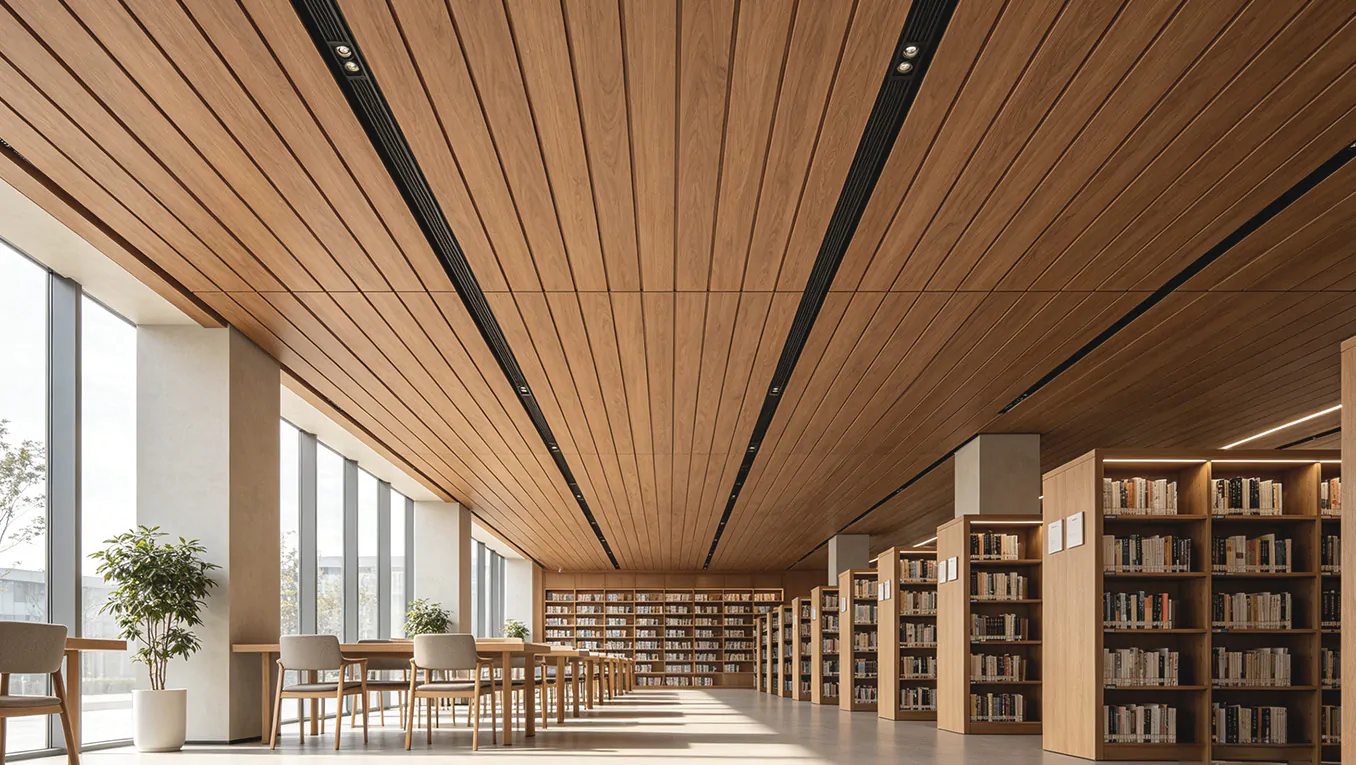
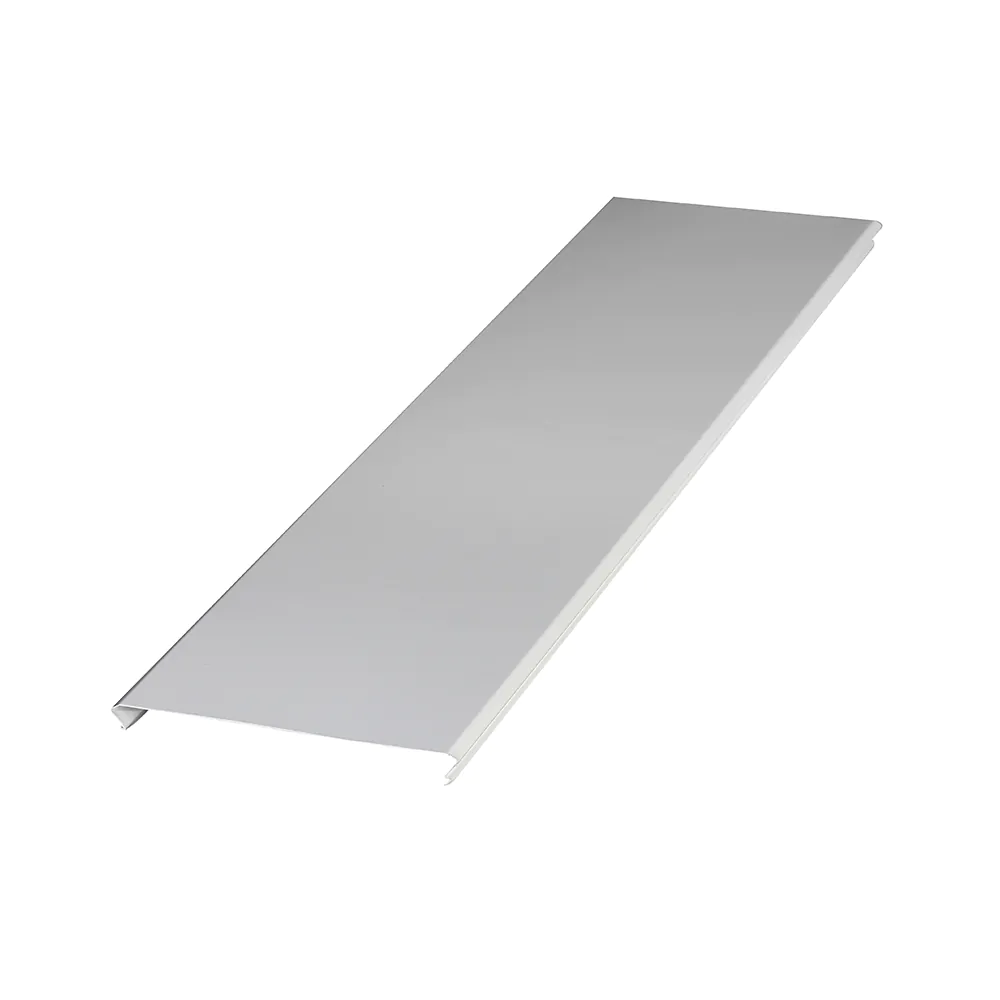
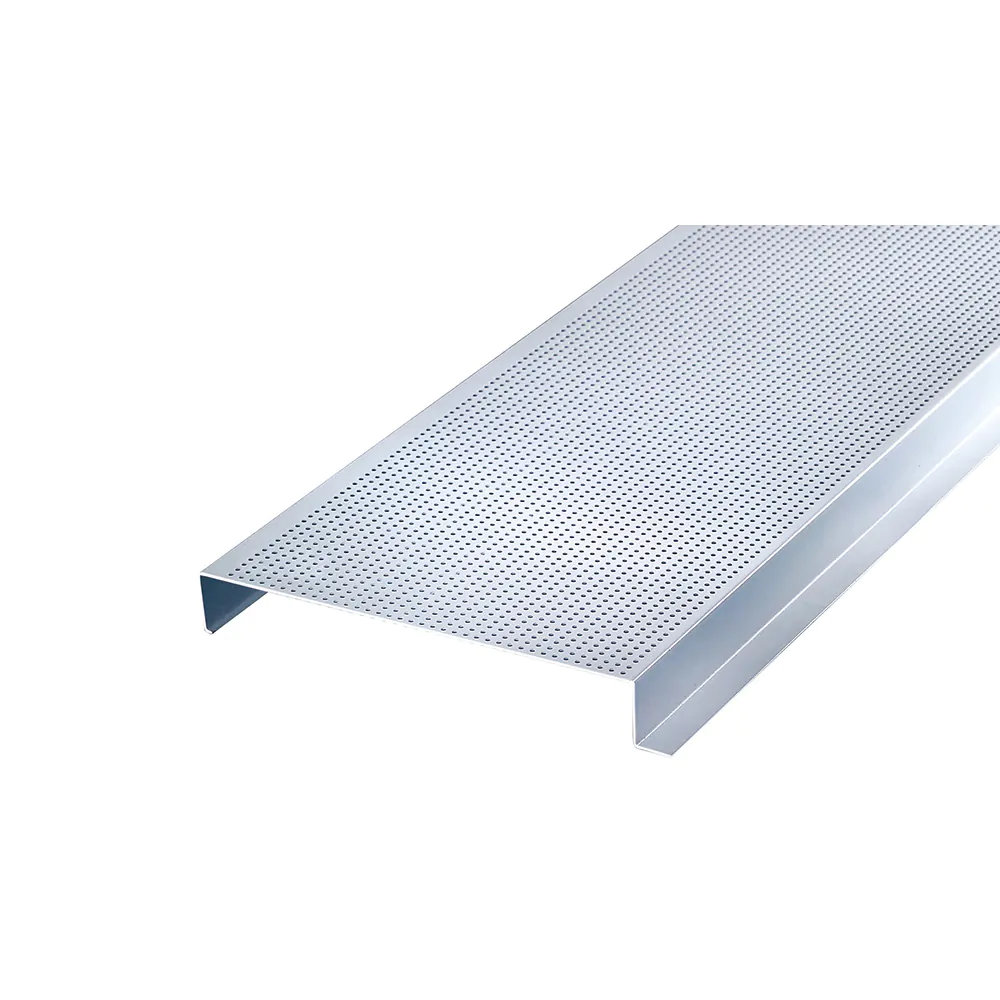
Los diseños que aquí se muestran son solo una parte de lo que ofrecen los sistemas de techo con tiras de aluminio. Las tiras pueden especificarse con perfiles planos, perforados, microperforados o acanalados, en configuraciones de huecos abiertos o cerrados, con o sin velo acústico detrás de la perforación.
Estas opciones se adaptan a las necesidades del proyecto en cuanto a control acústico, flujo de aire, coordinación de la iluminación, facilidad de acceso al plenum y el ritmo visual general del techo. El perfil de las tiras, el ancho, el patrón de perforación, el tamaño de los huecos y el reborde se pueden personalizar de acuerdo con los planos del proyecto y los requisitos de diseño.





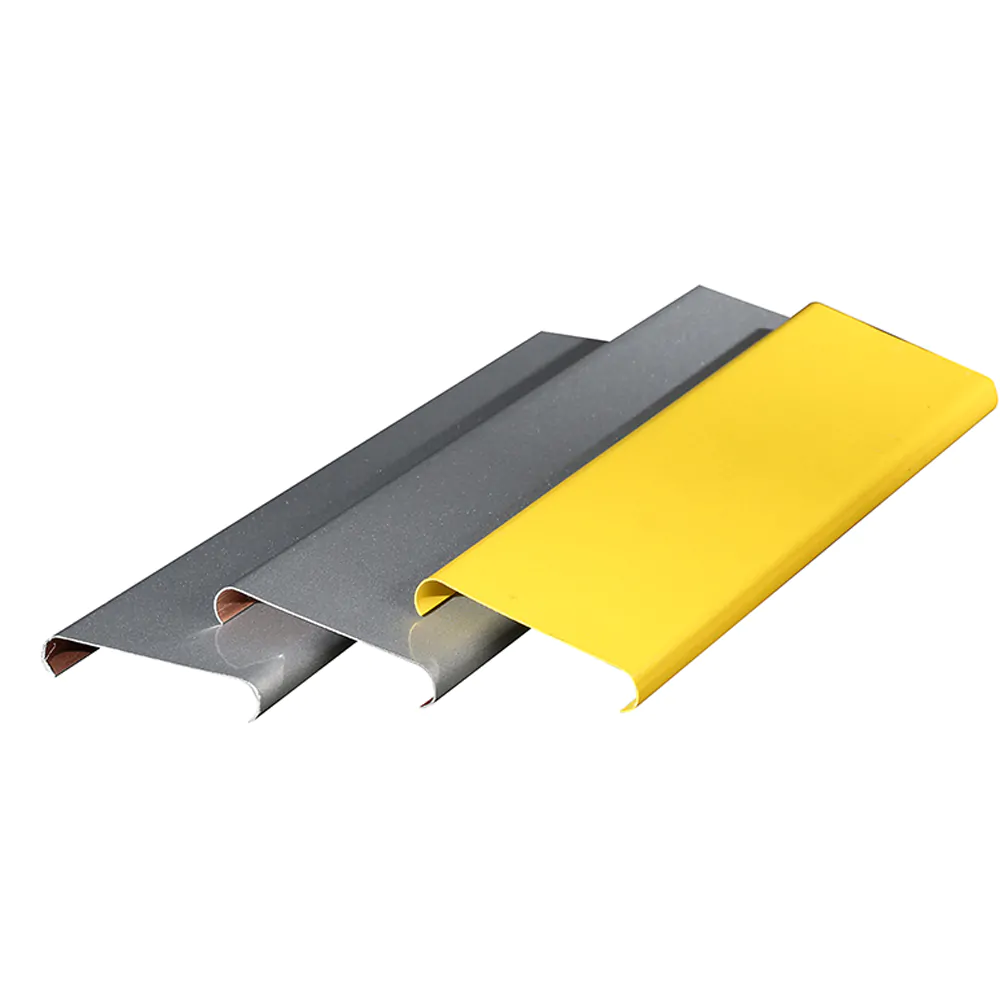
Los colores que se muestran aquí representan solo una parte de las opciones de acabado disponibles para los sistemas de techo de tiras de aluminio. Existe una amplia gama de colores estándar y personalizados para adaptarse a diferentes estilos de interior, desde entornos limpios de transporte público y oficinas hasta espacios comerciales y hoteleros decorativos.
Los acabados se seleccionan para complementar el diseño de la iluminación, combinar con los materiales de las paredes y el suelo, y satisfacer las exigencias prácticas de los espacios públicos con gran afluencia de público. Tanto si el proyecto requiere un blanco clásico, negro, plateado, veteado de madera o un color corporativo personalizado, las opciones de acabado pueden adaptarse a la intención de diseño del espacio.
Se ofrece la posibilidad de seleccionar colores en función del proyecto y de realizar combinaciones personalizadas para los sistemas de techo de tiras de aluminio, lo que ayuda a los diseñadores, contratistas y promotores a armonizar el acabado del techo con la paleta arquitectónica general.
El revestimiento acústico situado detrás de la ranura de la banda absorbe la energía sonora reflejada que, de otro modo, rebotaría entre los suelos duros, las paredes acristaladas y un techo sin tratar, reduciendo así la acumulación de reverberación que hace que los anuncios suenen apagados a medida que aumenta la distancia; esto cobra mayor importancia en terminales de grandes dimensiones con superficies duras que en espacios más pequeños o con mayor absorción acústica.
Lo ideal sería que sí. La separación entre las ranuras y la densidad del revestimiento acústico resultan más eficaces cuando se coordinan con la disposición real de los altavoces y el plan de cobertura, en lugar de aplicar un tratamiento acústico genérico independientemente de cómo esté distribuido el sistema de megafonía por el espacio.
No. Las zonas con altavoces muy próximos entre sí para lograr una cobertura uniforme, como las zonas de asientos de las entradas, suelen requerir un tratamiento diferente al de los largos pasillos de tránsito con altavoces más separados entre sí, donde el sonido tiene que recorrer una mayor distancia y atenuarse antes de llegar al oyente.
Sí. La geometría lineal de la moqueta sigue reforzando el flujo direccional de un vestíbulo de la misma forma que lo haría sin revestimiento acústico: la función acústica se suma a las especificaciones existentes en materia de dirección y durabilidad, y no supone una renuncia a las mismas.
Sí. Los puntos de integración para las pantallas de información de vuelos, la señalización de orientación y la iluminación de la terminal se planifican en el trazado de la franja en la fase de diseño, de acuerdo con las demás especificaciones relativas al techo de la terminal del aeropuerto.

 English English
  Russian
 French
 Spanish
 Portuguese
 Arabic