اتصل بنا الآن للحصول على عرض أسعار سريع، ودعم العينات، وضمان الخدمة الهندسية.








المنتجات
بلاط أسقف الألومنيوم المثقبة للأسقف الداخلية للمتاحف
A museum ceiling has one job that overrides almost everything else: get out of the way of the art. Visitors aren't supposed to notice it, curators don't want it competing with the exhibits, and conservators care about it mainly for what it enables — controlled lighting, stable climate conditions, and a dust-free environment that protects fragile or light-sensitive objects over decades, not just years. Dingchengzun's perforated aluminum clip-in ceiling tiles for museum interiors are specified around this quiet, background role rather than any decorative ambition of their own.
This system is used across permanent collection galleries, rotating exhibition halls, archival display rooms, museum lobbies, and object conservation areas — spaces where lighting requirements can shift dramatically from one exhibit to the next. Track lighting and adjustable spotlight systems are standard in gallery ceilings because artwork gets rehung and rotated regularly, and the panel layout is built to accommodate that kind of recurring reconfiguration without requiring ceiling rework every time a curator changes an exhibit.
Because many museum objects are sensitive to dust accumulation and airborne particulates, the ceiling surface also plays a quiet role in the building's overall conservation strategy — a non-porous, easily wiped panel surface contributes to maintaining the clean-air conditions that textile, paper, and photographic collections in particular depend on.

هل تبحث عن أسقف وواجهات ألومنيوم مخصصة؟ دعنا نتحدث


معرض تطبيقات المنتجات
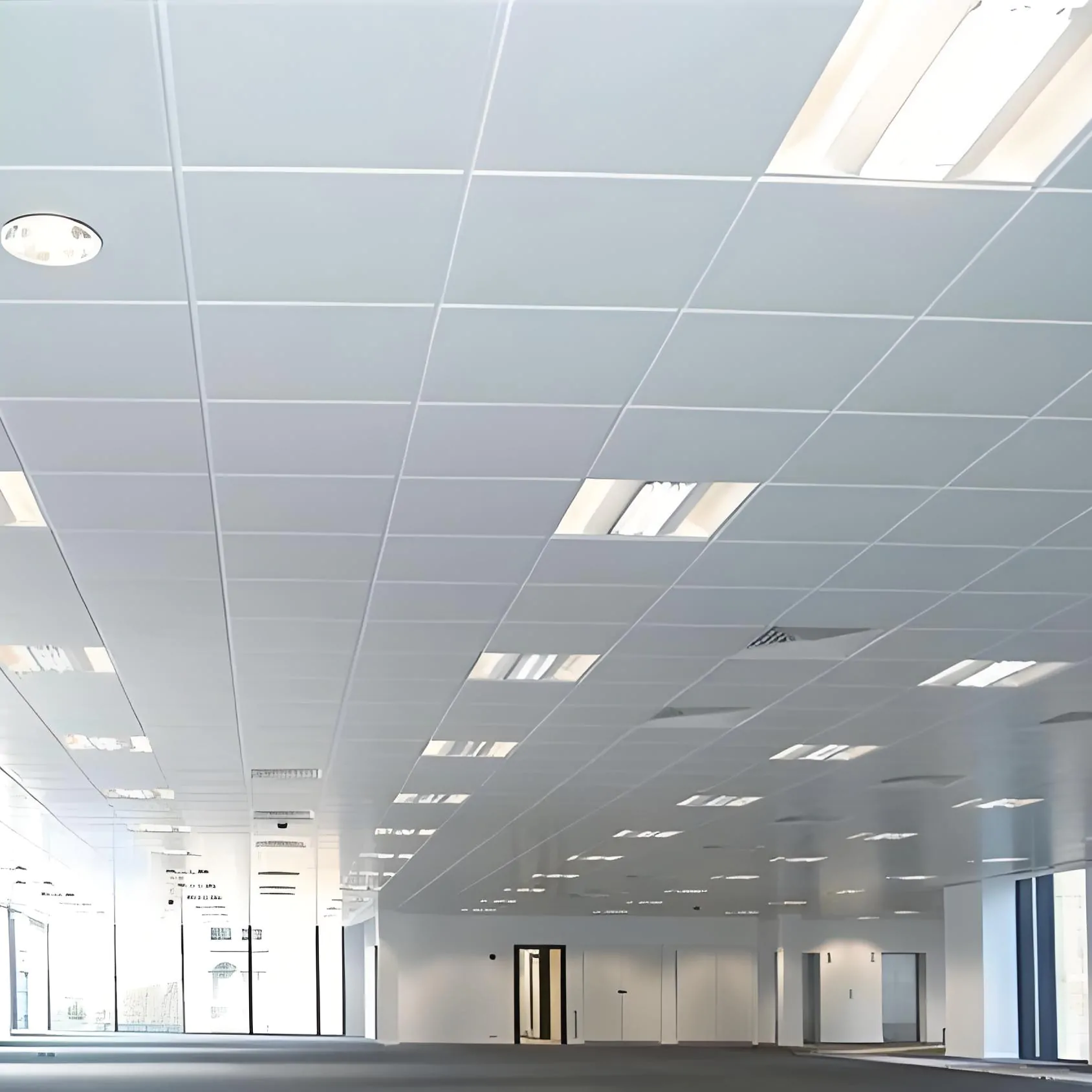
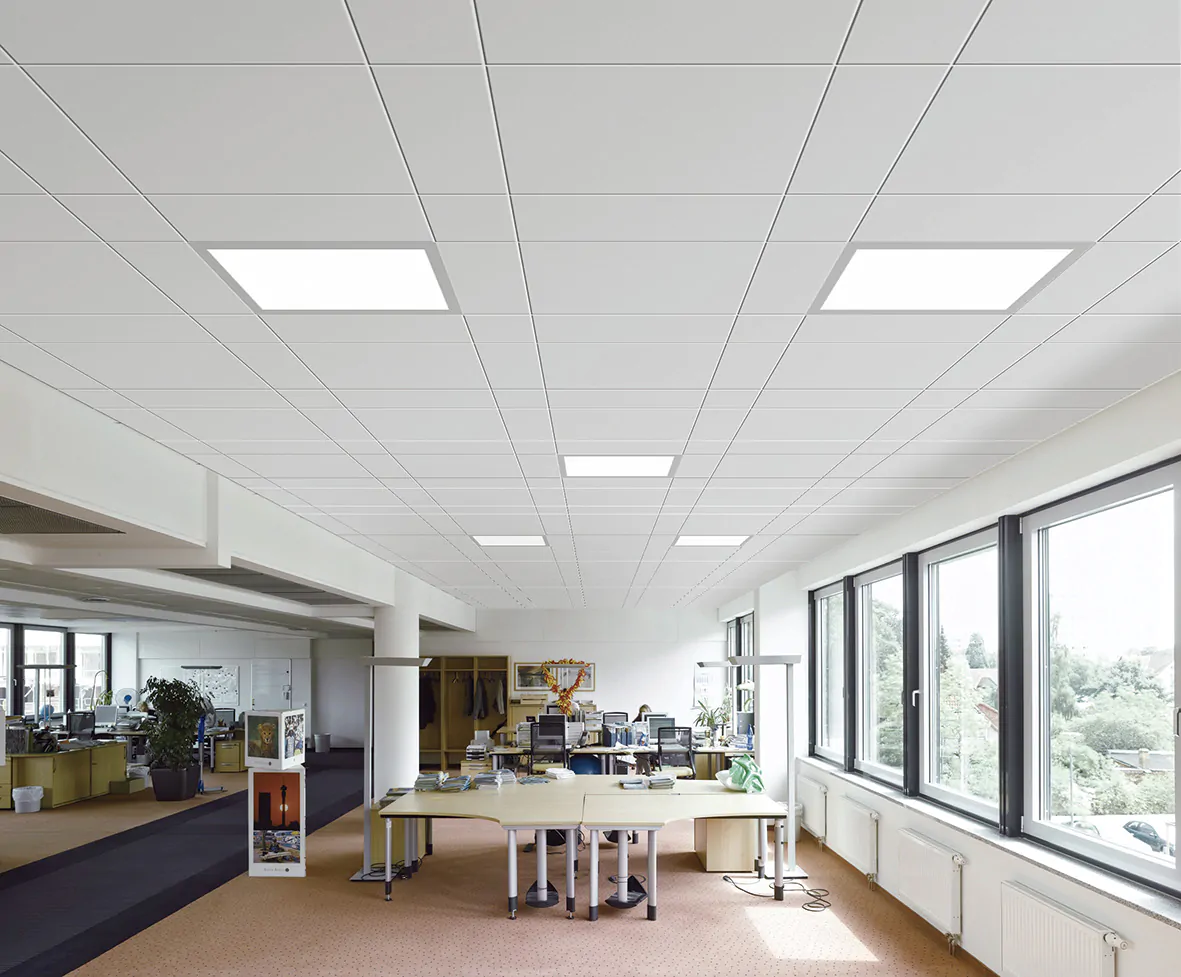
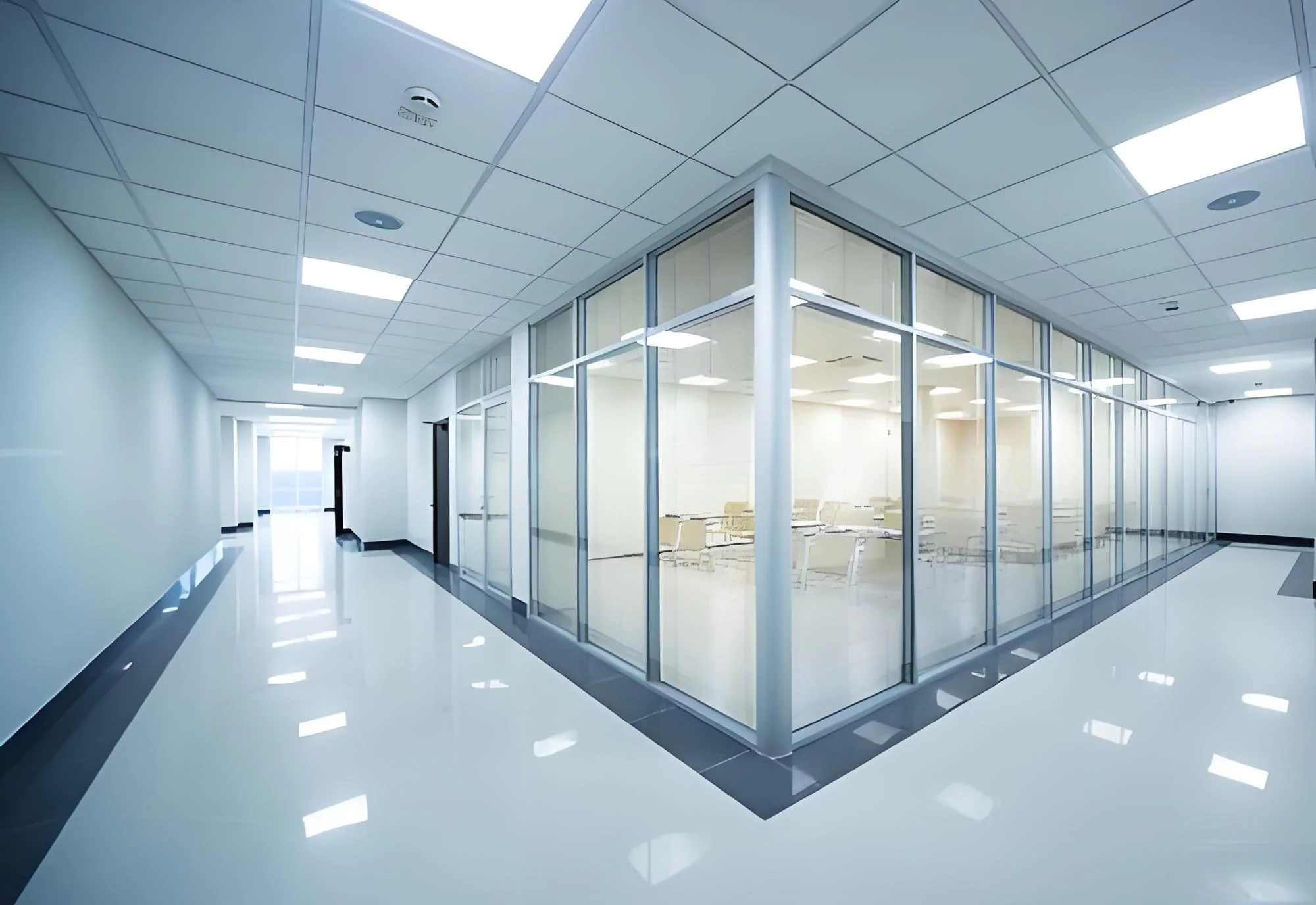
Within the clip-in panel system, museum applications are typically specified in matte, low-reflectance finishes that avoid glare and light bounce onto sensitive artwork, since even indirect reflected light can affect how a painting or object is lit and, over time, how much UV and heat exposure it receives. Perforation is used selectively — heavier in HVAC-dense zones where climate control airflow needs to pass through the ceiling plane, and lighter or solid in gallery areas where a cleaner, quieter surface better suits the display.
Panel layout is coordinated with track lighting systems, humidity and climate sensors, and fire suppression appropriate to museum collections (often requiring specific system types for archival or fine art spaces), and cutout positions are typically finalized alongside the exhibition design team rather than fixed early, since gallery layouts change more often than the building itself.
تركيب المنتج
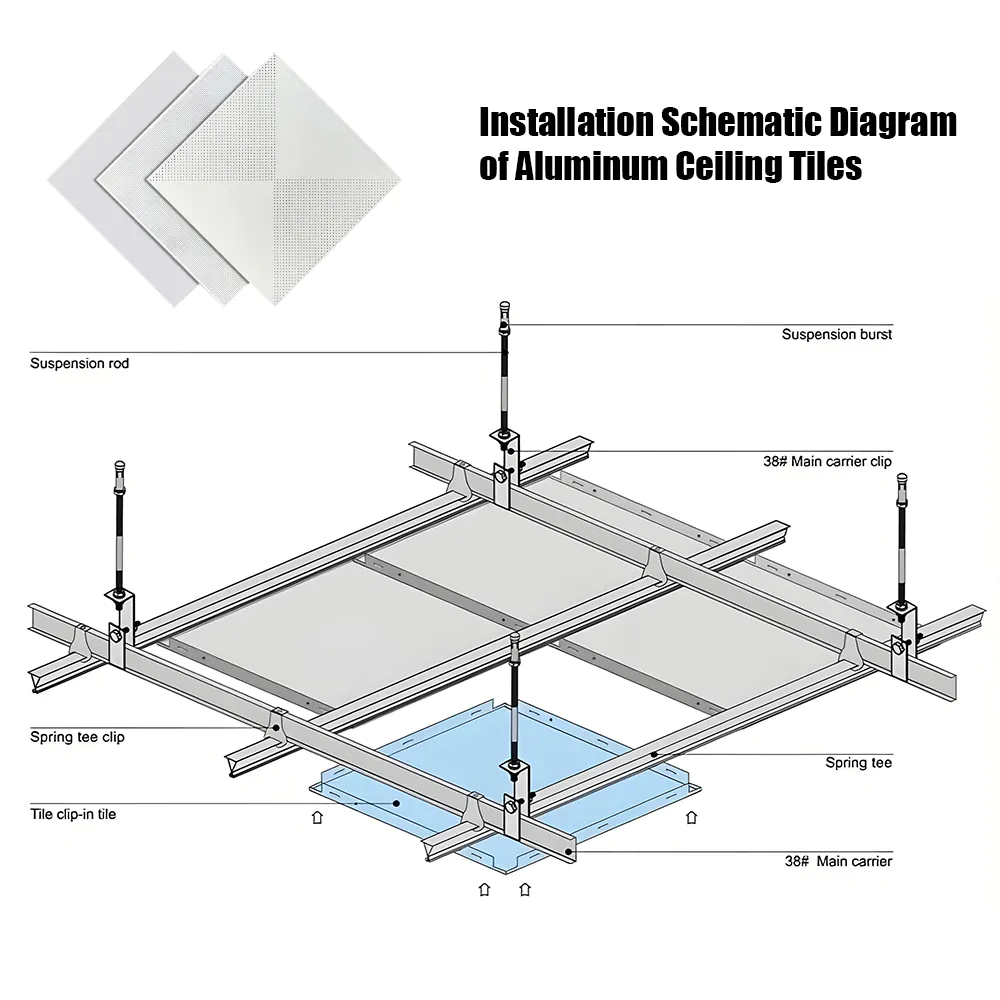
تعليمات تركيب السقف الألومنيومي القابل للتثبيت بمشابك
- قم بتركيب قضبان التعليق وفقًا لتصميم السقف وتأكد من أن جميع نقاط التعليق تقع على نفس المستوى الأفقي.
- ثبّت القضبان الرئيسية بإحكام، ثم قم بتركيب حاملات التثبيت المثبتة بمشابك وفقًا لحجم ألواح السقف ومتطلبات التصميم. يجب ضبط المسافات بين عناصر نظام الحاملات بشكل صحيح لضمان ثبات الدعم.
- افحص الإطار بأكمله واضبطه للتأكد من أن نظام الحامل مستوٍ ومحاذي قبل تركيب الألواح.
- قم بتثبيت ألواح السقف المصنوعة من الألومنيوم في نظام الدعامات واحدة تلو الأخرى بالترتيب الصحيح. تأكد من تثبيت كل لوح بإحكام ومن أن الوصلات نظيفة ومتساوية.
- بالنسبة للمصابيح، وموزعات الهواء، ومرشات المياه، أو فتحات الوصول، يجب تجهيز الفتحات المطلوبة والمواقع المخصصة قبل التثبيت أو أثناءه.
- بعد الانتهاء من تركيب جميع الألواح، افحص سطح السقف ومحاذاة الألواح وثبات الوصلات للتأكد من الحصول على تشطيب مستوٍ ونظيف وآمن.





الأنماط المعروضة هنا ليست سوى جزء مما تقدمه شركة «دينغتشنغزون». تتوفر ألواح السقف المصنوعة من الألومنيوم لدينا في خيارات متنوعة من الأنماط، بما في ذلك الألواح المسطحة، والألواح المثقبة، والتصاميم ذات الثقوب الدقيقة، والأنماط المربعة، والأنماط الخطية، والأسطح المنقوشة، والأنسجة الزخرفية، والتشطيبات المعدنية، وتصاميم الألواح المخصصة.
يمكن لهذه الخيارات تلبية الاحتياجات المختلفة للمشاريع فيما يتعلق بتزيين الأسقف، والأداء الصوتي، والتهوية، وتنسيق الإضاءة، وسهولة الصيانة، والأسلوب الداخلي العام. يمكن تخصيص ألواح السقف المصنوعة من الألومنيوم من شركة «دينغتشنغزون» من حيث حجم اللوح، ونمط التثقيب، واللون، والتشطيب السطحي، ونوع الحواف، ونظام التركيب، وفقًا لرسومات المشروع ومتطلبات التصميم.




الألوان المعروضة هنا لا تمثل سوى جزء من خيارات الألوان المتاحة لأنظمة ألواح السقف المصنوعة من الألومنيوم من Dingchengzun. نحن نقدم مجموعة واسعة من الألوان القياسية والمخصصة لتناسب أنماط التصميم الداخلي المختلفة، بدءًا من المكاتب العصرية ذات الطابع البسيط وصولاً إلى المساحات التجارية والعامة والزخرفية.
صُممت ألوان ألواح السقف المصنوعة من الألومنيوم التي نقدمها بهدف تحسين المظهر البصري، والتناسق مع الإضاءة وتشطيبات الجدران، وتلبية الاحتياجات العملية لمختلف مشاريع السقوف. وسواء كان التصميم يتطلب اللون الأبيض الكلاسيكي، أو الأسود، أو الرمادي، أو الدرجات المعدنية، أو التشطيبات التي تحاكي مظهر خشب الأشجار، أو ألوانًا مخصصة للمشروع، فإن شركة «دينغتشنغزون» قادرة على توفير حلول ألوان مناسبة لمختلف سيناريوهات الاستخدام.
انقر على الزر أدناه لاستكشاف المزيد من خيارات الألوان. تدعم شركة Dingchengzun اختيار الألوان وتخصيصها وفقًا للمشروع بالنسبة لألواح الأسقف المصنوعة من الألومنيوم، مما يساعد المصممين والمقاولين والمطورين على مواءمة الأنماط المعمارية المختلفة وتصميمات الأسقف ومتطلبات التصميم الداخلي.
Museum applications are typically specified with matte, low-reflectance finishes specifically to avoid glare and light bounce onto sensitive artwork, since reflected light can affect both the visual presentation and long-term light exposure of an object.
Yes. Panel layout is designed to work with track lighting and adjustable spotlight systems that are standard in gallery ceilings, supporting the frequent rehanging and exhibit rotation typical of museum programming.
The non-porous panel surface is easy to wipe down and doesn't shed particulates the way some other ceiling materials can, which supports the clean-air conditions that textile, paper, and photographic collections typically require.
It typically varies. Heavier perforation is often used in HVAC-dense zones where climate control airflow needs to pass through the ceiling, while gallery display areas often use lighter or solid panels for a cleaner, quieter surface.
Both, ideally. While base structural and climate coordination follows the architectural drawings, cutout positions and lighting integration are often finalized alongside the exhibition design team, since gallery layouts and lighting needs tend to change more frequently than the building envelope itself.
