







Produtos
Ladrilhos de alumínio perfurado para tectos interiores de museus
A museum ceiling has one job that overrides almost everything else: get out of the way of the art. Visitors aren't supposed to notice it, curators don't want it competing with the exhibits, and conservators care about it mainly for what it enables — controlled lighting, stable climate conditions, and a dust-free environment that protects fragile or light-sensitive objects over decades, not just years. Dingchengzun's perforated aluminum clip-in ceiling tiles for museum interiors are specified around this quiet, background role rather than any decorative ambition of their own.
This system is used across permanent collection galleries, rotating exhibition halls, archival display rooms, museum lobbies, and object conservation areas — spaces where lighting requirements can shift dramatically from one exhibit to the next. Track lighting and adjustable spotlight systems are standard in gallery ceilings because artwork gets rehung and rotated regularly, and the panel layout is built to accommodate that kind of recurring reconfiguration without requiring ceiling rework every time a curator changes an exhibit.
Because many museum objects are sensitive to dust accumulation and airborne particulates, the ceiling surface also plays a quiet role in the building's overall conservation strategy — a non-porous, easily wiped panel surface contributes to maintaining the clean-air conditions that textile, paper, and photographic collections in particular depend on.

Procura tectos e fachadas de alumínio personalizados? Vamos conversar


Apresentação da aplicação do produto
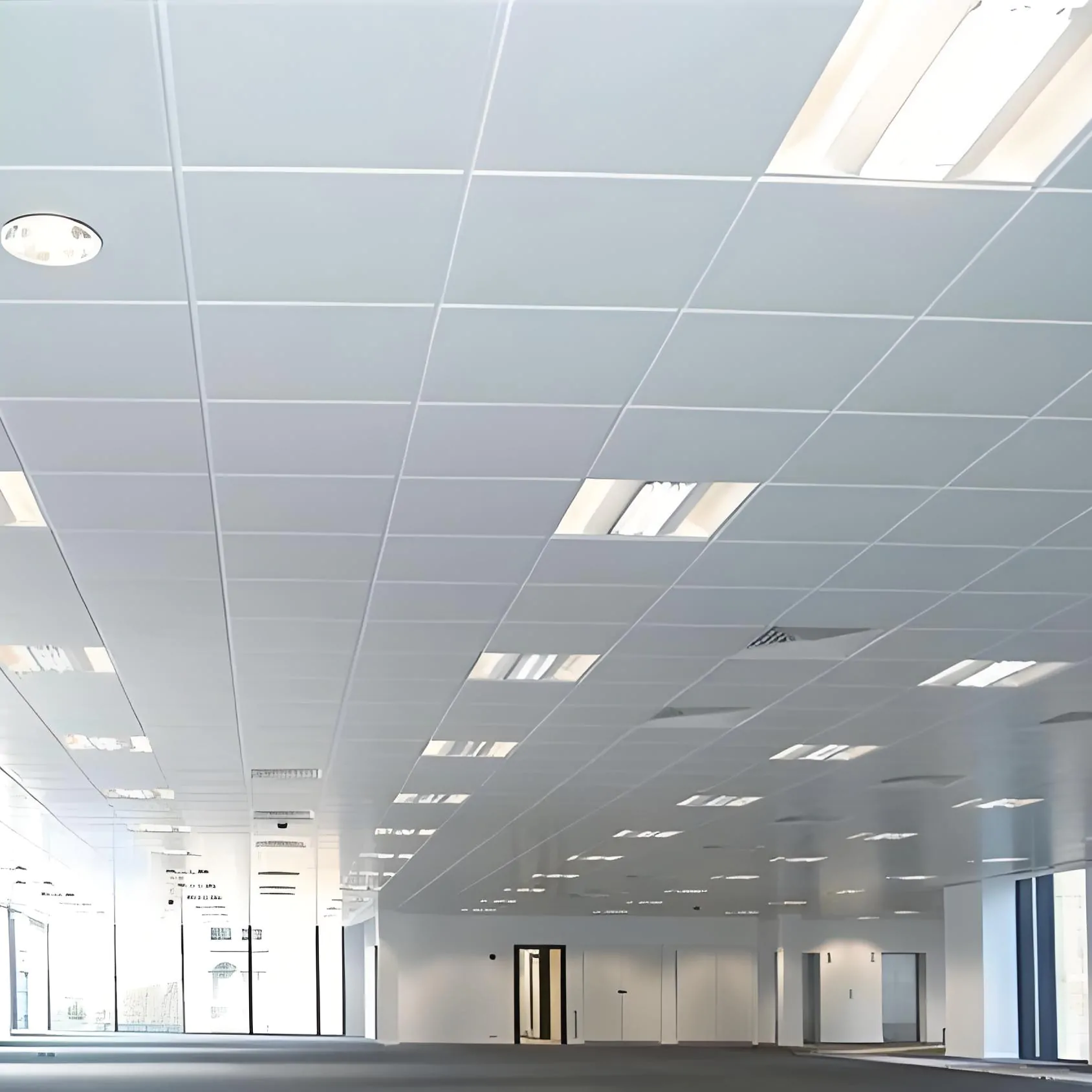
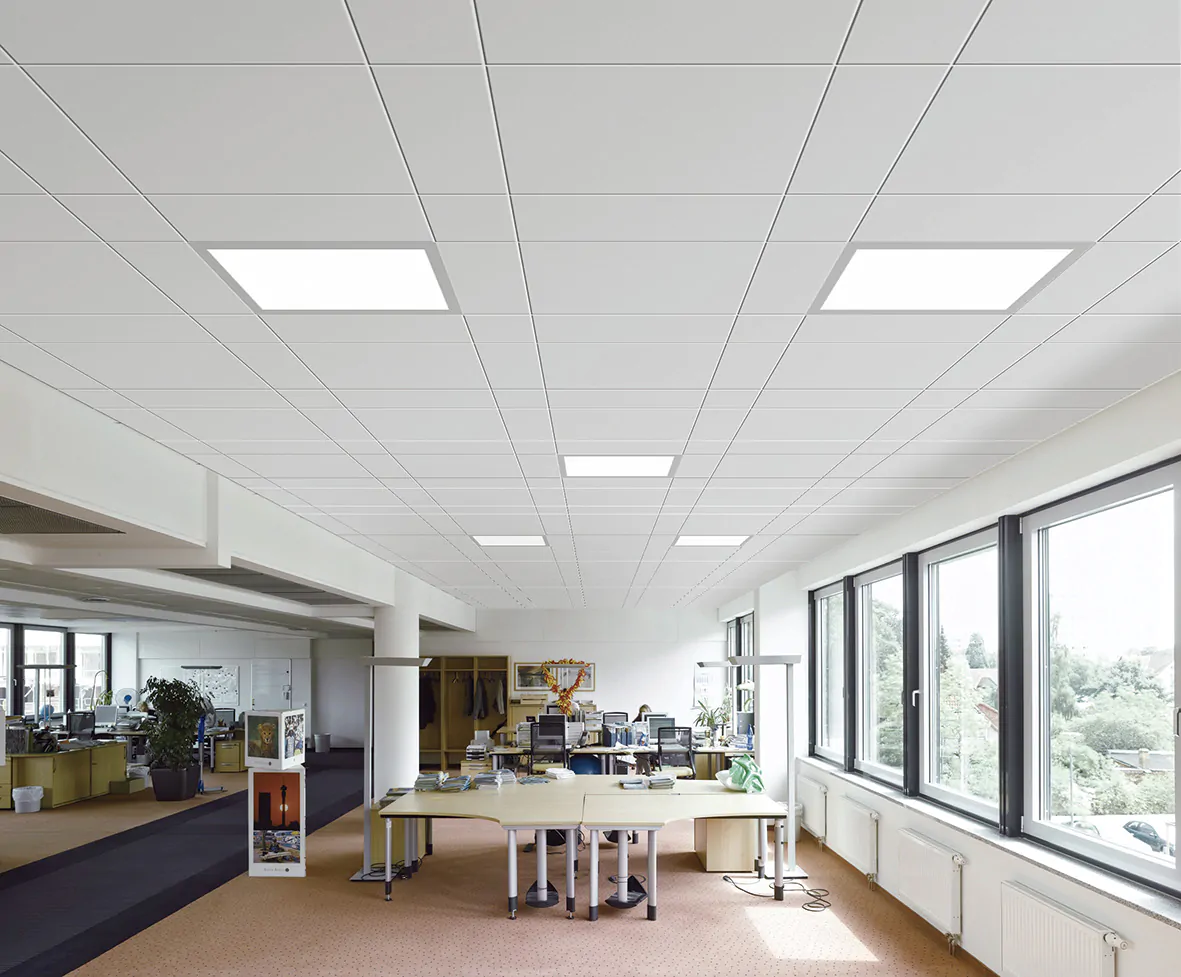
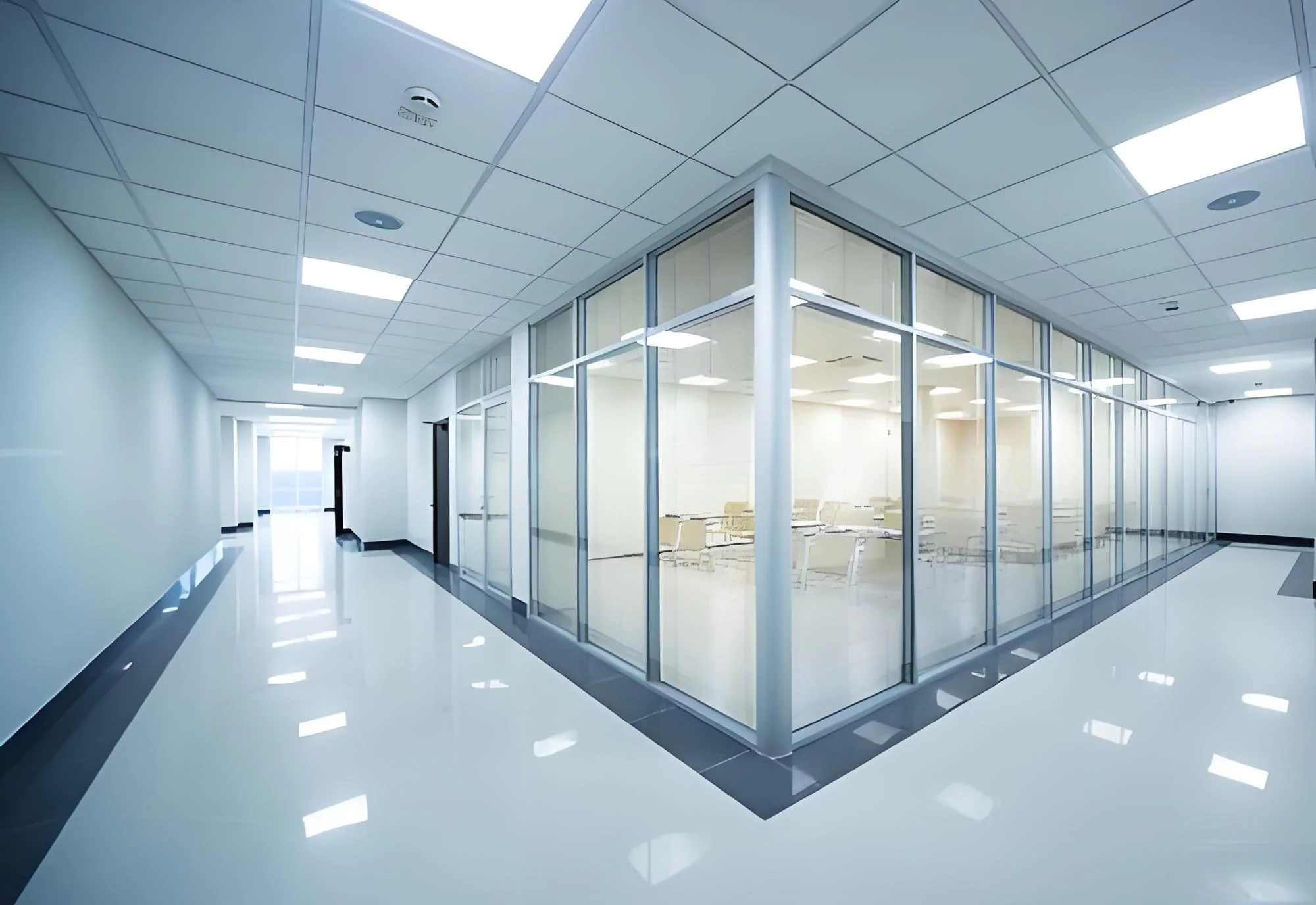
Within the clip-in panel system, museum applications are typically specified in matte, low-reflectance finishes that avoid glare and light bounce onto sensitive artwork, since even indirect reflected light can affect how a painting or object is lit and, over time, how much UV and heat exposure it receives. Perforation is used selectively — heavier in HVAC-dense zones where climate control airflow needs to pass through the ceiling plane, and lighter or solid in gallery areas where a cleaner, quieter surface better suits the display.
Panel layout is coordinated with track lighting systems, humidity and climate sensors, and fire suppression appropriate to museum collections (often requiring specific system types for archival or fine art spaces), and cutout positions are typically finalized alongside the exhibition design team rather than fixed early, since gallery layouts change more often than the building itself.
Instalação do produto
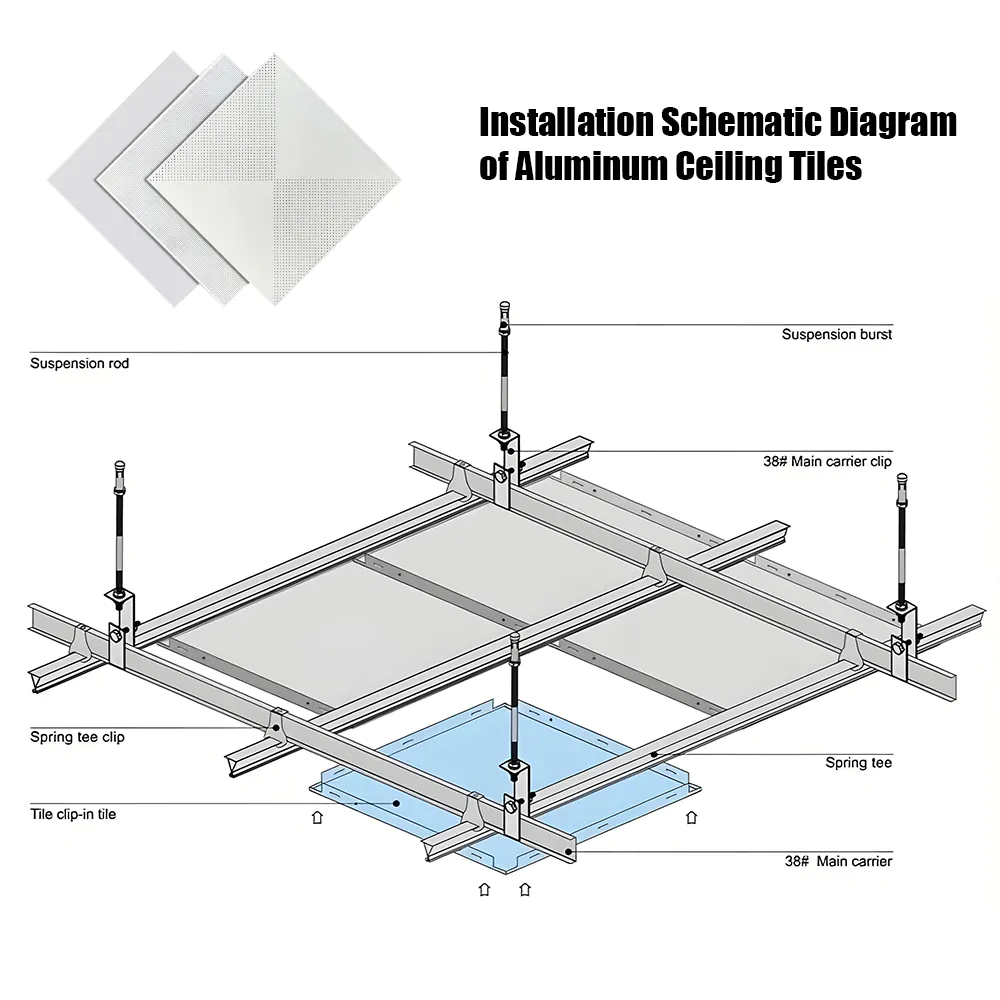
Instruções de instalação do teto de alumínio Clip-In
- Instale as barras de suspensão de acordo com a disposição do teto e certifique-se de que todos os pontos de suspensão são mantidos ao mesmo nível horizontal.
- Fixe bem as corrediças principais e, em seguida, instale os suportes de encaixe com base no tamanho do painel do teto e nos requisitos de disposição. O espaçamento do sistema de suporte deve ser ajustado corretamente para garantir um suporte estável.
- Verifique e ajuste toda a estrutura para se certificar de que o sistema de suporte está nivelado e alinhado antes de instalar os painéis.
- Encaixe os painéis de teto de alumínio no sistema de suporte, um a um, pela ordem correta. Certifique-se de que cada painel está bem fixo e que as juntas estão limpas e uniformes.
- Para luzes, difusores de ar, aspersores ou aberturas de acesso, preparar os recortes necessários e as posições reservadas antes ou durante a instalação.
- Após a instalação de todos os painéis, inspeccione a superfície do teto, o alinhamento dos painéis e a estabilidade das ligações para garantir um acabamento plano, limpo e seguro.


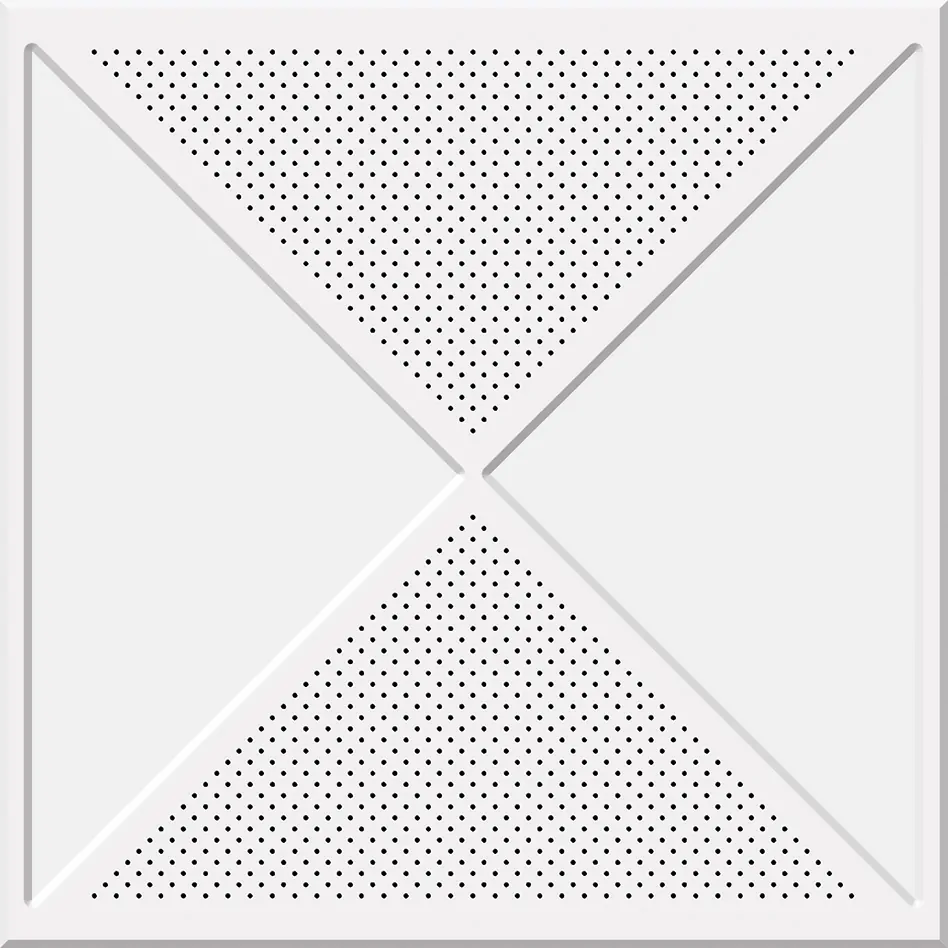

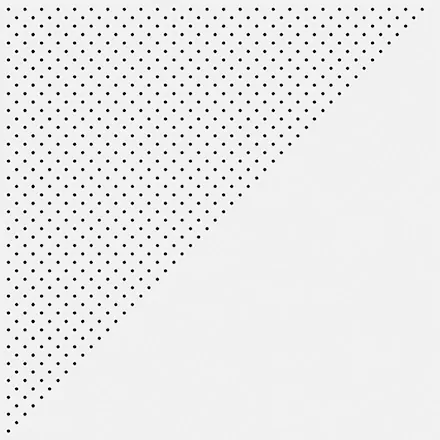

Os padrões mostrados aqui são apenas parte do que a Dingchengzun oferece. Nossos painéis de teto de alumínio estão disponíveis em várias opções de padrões, incluindo painéis planos, painéis perfurados, designs microperfurados, padrões quadrados, padrões lineares, superfícies em relevo, texturas decorativas, acabamentos metálicos e designs de painéis personalizados.
Essas opções podem atender às diferentes necessidades do projeto para decoração de teto, desempenho acústico, ventilação, coordenação de iluminação, fácil manutenção e estilo geral do interior. Os painéis de teto de alumínio da Dingchengzun podem ser personalizados em tamanho de painel, padrão de perfuração, cor, acabamento de superfície, tipo de borda e sistema de instalação de acordo com os desenhos do projeto e requisitos de design.




As cores aqui apresentadas representam apenas uma parte das opções de cores disponíveis para os sistemas de painéis de teto em alumínio da Dingchengzun. Fornecemos uma ampla gama de cores padrão e personalizadas para apoiar diferentes estilos de design de interiores, desde escritórios modernos e limpos até espaços comerciais, públicos e decorativos.
Nossas cores de painel de teto de alumínio são projetadas para melhorar a aparência visual, coordenar com acabamentos de iluminação e parede, e atender às necessidades práticas de diferentes projetos de teto. Se o design requer branco clássico, preto, cinza, tons metálicos, acabamentos de grãos de madeira ou cores de projeto personalizadas, a Dingchengzun pode fornecer soluções de cores adequadas para vários cenários de aplicação.
Clique no botão abaixo para explorar mais opções de cores. A Dingchengzun suporta a seleção de cores com base em projectos e a personalização de painéis de teto em alumínio, ajudando os designers, empreiteiros e promotores a combinar diferentes estilos arquitectónicos, disposições de tectos e requisitos de design de interiores.
Museum applications are typically specified with matte, low-reflectance finishes specifically to avoid glare and light bounce onto sensitive artwork, since reflected light can affect both the visual presentation and long-term light exposure of an object.
Yes. Panel layout is designed to work with track lighting and adjustable spotlight systems that are standard in gallery ceilings, supporting the frequent rehanging and exhibit rotation typical of museum programming.
The non-porous panel surface is easy to wipe down and doesn't shed particulates the way some other ceiling materials can, which supports the clean-air conditions that textile, paper, and photographic collections typically require.
It typically varies. Heavier perforation is often used in HVAC-dense zones where climate control airflow needs to pass through the ceiling, while gallery display areas often use lighter or solid panels for a cleaner, quieter surface.
Both, ideally. While base structural and climate coordination follows the architectural drawings, cutout positions and lighting integration are often finalized alongside the exhibition design team, since gallery layouts and lighting needs tend to change more frequently than the building envelope itself.
